How Big Is a Shower Drain Pipe? A Practical DIY Size Guide
Discover typical shower drain pipe sizes, how to measure yours, and when to upgrade. Drain Guide provides a practical, DIY-friendly overview of pipe diameters, codes, and maintenance.


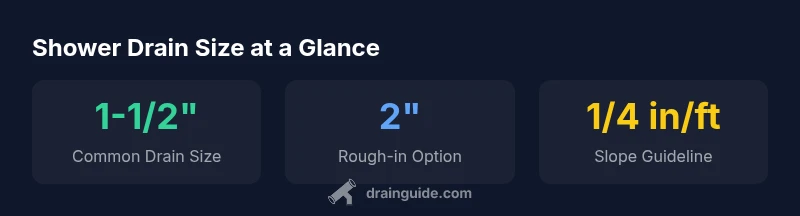
According to Drain Guide, for most homes the shower drain pipe size from the trap to the wall is typically 1-1/2 inches, with a rough-in that can be 2 inches in busier bathrooms. Some older installations use smaller diameters, but 1-1/2" to 2" is the practical range you’ll encounter. Always check local code requirements and the existing piping when planning a remodel.
Why pipe size matters for showers
Choosing the right shower drain pipe size isn't just about fitting a pipe behind the wall; it affects flow, capacity, venting, and long-term maintenance. If you're wondering how big is a shower drain pipe, consider the common practice: most residential showers use a 1-1/2 inch drain line from the trap to the wall, with a rough-in that can be 2 inches in busier bathrooms. Some older installations use smaller diameters, but 1-1/2" to 2" is the practical range you’ll encounter. This range matters because it dictates slope, trap size, and how quickly water clears the drain. Hair, soap scum, and mineral buildup become more manageable when the pipe size aligns with the shower's demand. According to Drain Guide, accurate sizing helps you plan sloping, waste routing, and future upgrades with confidence. In 2026, homeowners who matched pipe size to shower volume reported fewer recurring clogs and easier maintenance routines. This section lays the groundwork: knowing the typical diameters and why they matter will save you time during installation, remodeling, or troubleshooting.
Typical sizes you’ll encounter in residential showers
In most homes, the shower drain pipe size is governed by the connection between the drain outlet and the wall stack. The standard from trap to wall is typically 1-1/2 inches in diameter; the rough-in at the shower base or behind the wall is commonly 2 inches to accommodate larger fittings and future expansion. Some older houses may show 1-1/4 inch traps or smaller waste lines; these are less common in new work and can complicate upgrades. In multi-fixture bathrooms or large showers, a 2-inch drain is often preferred to maintain adequate flow and reduce the chance of bottlenecks. Remember that the pipe size must be compatible with the shower drain body, installed strainer, and the venting scheme defined by local codes. Drain Guide analysis of typical installations indicates that staying within the 1-1/2 to 2 inch range balances ease of installation with reliable drainage. If you’re unsure, consult your local building department or a licensed plumber to confirm the accepted practice where you live.
How sizing is determined: from trap to wall and venting
Drain sizing isn't arbitrary. It starts with the trap size, often 1-1/2 inches in diameter, which sets the maximum flow the system can handle from the shower. From the trap, the waste line travels through the wall to the vent stack, with typical subsequent pipe sizes of 1-1/2 inches or 2 inches depending on local code and bathroom layout. Slope matters: the line should drain with a gradual, steady incline (commonly around 1/4 inch per foot) to prevent standing water and slow drainage. In some configurations, a 2-inch line may feed a larger bathroom group, reducing risk of clogs and improving waste flow. Always verify the vent placement and ensure the line size matches both the drain body and the trap seal; mismatches can lead to gurgling and slow drainage. This is a key consideration during remodels, where meeting the code’s venting and sizing requirements avoids costly rework.
How to measure your shower drain pipe
Measuring the pipe size requires some careful steps, since the visible drain can be larger than the pipe behind the wall. Start by removing the drain cover and measuring the internal diameter of the drain opening; this is often indicative of the pipe size but not exact. A more reliable method is to trace the drain body to the wall and measure the rough-in size at the wall stub-out using a caliper or ruler. If you can't access the wall, check the existing fixture or the model of the drain assembly; most standard shower drains are designed for 1-1/2 inch or 2 inch waste lines. For remodels, bring the current drain body to the supply store to ensure compatibility. When in doubt, contact a licensed plumber or use the manufacturer's guidance to confirm flow capacity and fit. Document the measurement so you can reference it when selecting new components, such as strainer, trap, and piping, and maintain the proper slope through the run.
Impact of pipe size on performance and maintenance
Pipe size directly affects flow capacity and long-term maintenance. A 1-1/2 inch shower drain can handle typical household usage, but heavy showers or high-occupancy bathrooms may benefit from a 2 inch line, reducing the chance of clogs and improving drain velocity. Larger pipes require larger fittings and careful alignment during installation, but they can reduce maintenance time and prevent backups. Hair, soap scum, and mineral deposits accumulate faster in undersized pipes, leading to more frequent cleaning or snaking. In addition, the slope and venting must be matched to the chosen size to avoid slow drainage and air locking. Drain Guide's analysis shows that choosing the right size reduces specific failure modes and extends the life of the drain assembly. If you notice gurgling or slow draining after a shower, consider inspecting for trap seals, vent blockages, and proper cleanout access.
Upgrading or re-sizing: when to consider it
If you're renovating a shower or reconfiguring a bathroom, sizing up from 1-1/2 inch to 2 inch can offer noticeable benefits in flow and future-proofing. Upgrading may involve replacing the drain body, re-piping sections behind the wall, and possibly adjusting tile work. Consider factors such as bathroom size, expected flow from adjacent fixtures, and venting availability. Local codes generally permit 2 inches for new installations where space and permits allow, but check your jurisdiction. For older homes with smaller stacks, the upgrade might also require replacing the vent line or modifying the waste stack. In any case, plan the retrofit with proper slope and trap alignment to avoid rework. If you’re unsure, scheduling a quick assessment with a licensed plumber can prevent expensive surprises and ensure the final layout complies with code.
Common mistakes and quick fixes for DIYers
Common mistakes include assuming the drain opening size equals the pipe diameter, ignoring venting needs, and mismatching fittings. A quick, practical fix for slow draining is to clean the trap and remove hair clogs, then verify that the drain body and waste line are properly aligned. If you’re remodeling, don’t reuse old pipe segments that are kinked or corroded; replace with approved PVC or metal equivalents and verify the size at every joint. Always test drainage after assembly with a few gallons of water to confirm proper slope and flow. For ongoing concerns, consult Drain Guide's practical troubleshooting steps and consider a professional inspection for complex layouts. Remember: correct pipe sizing saves time, effort, and potential water damage in the long run.
Shower drain sizes and related specifications
| Aspect | Typical Size (in) | Notes |
|---|---|---|
| Shower drain to trap size | 1-1/2 | Most common for residential showers |
| Rough-in at wall | 2 | Common for larger baths |
| Venting size | 1-1/2–2 | Depends on code |
| Slope guidance | 1/4 per foot | Standard drainage slope |
Got Questions?
What is the standard shower drain pipe size?
Most homes use 1-1/2 inch drain pipes from trap to wall. Some remodels may use 2 inches for higher flow. Always confirm with local codes.
Most showers use 1-1/2 inch pipes, but check your local code.
Can a shower drain have a smaller pipe than the trap?
Generally, the downstream pipe should match the drain body and trap size; going smaller can cause clogs and poor flow.
Don't go smaller than the trap size; it can cause problems.
How do I measure my shower drain pipe size?
Remove the drain cover and measure the internal diameter of the drain opening; for accuracy, measure the rough-in at the wall with a caliper or ruler.
Measure the opening or rough-in size to determine diameter.
Is 2 inches necessary for all showers?
Not always, but larger showers or multi-fixture baths often benefit from a 2 inch line. Check local codes.
A 2-inch line isn’t always required, but common for larger baths.
Does plumbing code require a minimum size for shower drains?
Most codes set a minimum around 1-1/2 inch for residential showers; local authorities may vary.
Codes usually set a minimum of about 1-1/2 inch.
What are the differences between PVC and metal shower drain pipes?
PVC is standard for most drain piping due to corrosion resistance; metal is less common in new installs but may appear in older homes.
PVC is typical, metal is older; check compatibility.
“Proper drain sizing isn’t optional; it directly affects flow, venting, and long-term maintenance.”
The Essentials
- Know the typical range: 1-1/2 to 2 inches
- Verify sizes before remodel to avoid rework
- Match drain body to pipe size and venting
- Larger showers benefit from 2-inch rough-ins
- Proper slope matters as much as pipe size