How Big Is a Sink Drain Pipe? A Practical Sizing Guide
Discover the standard sink drain pipe sizes for kitchen and bathroom, learn how to measure, and get practical sizing tips for DIY plumbing from Drain Guide.


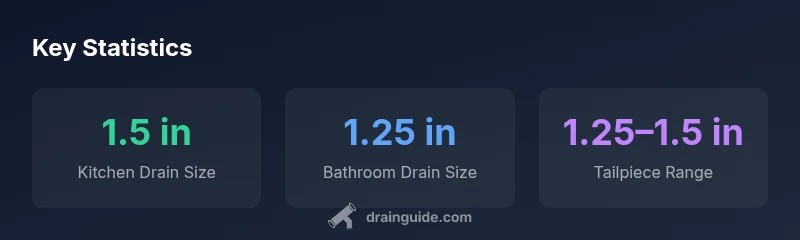
The standard sink drain pipe diameter for most homes is 1.25 inches for bathroom sinks and 1.5 inches for kitchen sinks. Tailpieces and traps are sized to that rough-in diameter, so replacements should match the existing size. When in doubt, measure the slip-joint diameter or bring a sample to the hardware store.
Why 'how big is a sink drain pipe' matters
How big is a sink drain pipe? The question matters because drain size directly affects how quickly waste moves, how prone the system is to clogs, and whether you can safely attach accessories like garbage disposals or dishwasher drains. According to Drain Guide, sizing is a first-principles issue: the most common residential configurations use standard diameters that balance space under the sink with reliable flow. In practice, kitchen sinks typically rely on a 1.5-inch drain, while most bathroom sinks use a 1.25-inch drain. Matching these sizes ensures a proper trap seal, compatible slip joints, and accessible replacement parts. If you replace any component, measuring the existing diameter and using that measurement to select adapters is the simplest path to a leak-free connection. The goal is to maintain adequate flow, minimize bottlenecks, and preserve the trap’s water seal. This section walks you through typical sizes, how measurement decisions are made, and why staying within standard sizes simplifies DIY fixes.
Standard sizes you’ll encounter
In most homes, drain sizing falls into two common diameters: 1.25 inches and 1.5 inches. This reflects the difference between bathroom and kitchen fixtures, as well as historical plumbing practices. When you pull apart the sink assembly, you’ll likely see a tailpiece feeding the trap that matches one of these diameters. The 1.5-inch kitchen drain is designed to handle larger volumes and is compatible with many disposals and air gaps, while the 1.25-inch bathroom drain is adequate for smaller fixtures and lower flow. Some older installations or specialized fixtures may use other configurations, but switching to the standard sizes with proper adapters is the most reliable path for DIY repairs. Understanding these baselines helps you decide whether you need to replace the tailpiece, the P-trap, or the waste arm, and it informs what fittings you should buy. Drain Guide’s practical takeaway: unless you have a unique fixture, plan for 1.25
and verify by measurement.
How to measure a sink drain pipe
Measuring a sink drain pipe accurately is the first step before ordering parts. Start by identifying the component you’re replacing (tailpiece, trap inlet, or waste arm). Clean the area to remove soap scum and mineral deposits. Use calipers or a ruler to measure the inner diameter of the pipe or the slip-joint nut diameter. If the interior is blocked, measure the outside diameter of the pipe and reference standard wall thicknesses to estimate the inner size. For slip-joint connections, measure across the widest part of the nut where it locks onto the pipe. Always record measurements in inches and note whether you’re measuring the tailpiece, trap inlet, or the trap arm. Bring these numbers to the hardware store or compare against standard references online to confirm compatibility.
Different configurations (p-trap, tailpiece, waste arm)
A typical sink assembly includes a tailpiece that connects to a trap and then to a waste arm leading to the wall drain. The most common diameters for these components align with the standard sizes discussed above. When replacing any part, ensure the new piece matches the size of the adjacent fittings to avoid leaks. Some setups use adapters to transition between sizes, so knowing each component’s diameter helps you select the right adapter type (slip-joint, threaded, or compression). Pay attention to compatibility with accessories like garbage disposals or dishwashers, which may impose different requirements for trap size, hose connections, or air gaps.
Impacts of pipe size on drainage performance
A larger pipe diameter can accommodate higher flow and reduce the likelihood of clog formation, particularly under heavy use in kitchens with disposals or frequent dishwashing. However, the overall drainage performance also depends on trap design, venting, slope, and the condition of the piping. Using 1.5-inch piping for a kitchen sink generally provides adequate capacity for most households, while 1.25-inch piping is typically sufficient for compact bathroom fixtures. Mismatches or undersized components can create bottlenecks, resulting in slower drains or frequent clogs. Drain Guide emphasizes that matching sizes with proper seals and venting is critical for long-term reliability.
Common mistakes and troubleshooting
Common sizing mistakes include mixing sizes without appropriate adapters, omitting the trap or vent components, and selecting a larger pipe without updating the corresponding fittings. Such errors can cause leaks, gurgling sounds, or sewer odors. When troubleshooting, start by inspecting the slip-nut connections for tightness, check for dried-out washers, and verify that the trap sits level. If a leak occurs after replacement, recheck the size match and ensure the gasket seats correctly. For stubborn clogs, avoid forcing water through undersized pipes; instead, review the entire drain path for any buildup and consider a professional assessment if the problem persists.
Practical sizing guidelines for DIY projects
- Plan for standard sizes: kitchen 1.5 inches, bathroom 1.25 inches.
- Measure the existing components before purchasing.
- Use adapters to bridge size gaps rather than forcing a mismatch.
- Check compatibility with disposals and dishwashers.
- Keep a small kit of slip-joint nuts and washers for common sizes.
- When in doubt, take photos and note the exact pipe diameters to avoid return trips. Drain Guide recommends prioritizing standard sizes to minimize compatibility issues and simplify future maintenance.
Typical sink drain sizing reference
| Component | Common Size | Notes |
|---|---|---|
| Sink drain (kitchen) | 1.5 inches | Standard for most kitchens |
| Sink drain (bathroom) | 1.25 inches | Smaller fixture, lower flow |
| Tailpiece | 1.25–1.5 inches | Connects to trap; size varies by setup |
| P-trap inlet | 1.25–1.5 inches | Matches tailpiece and waste arm |
Got Questions?
What is the most common sink drain size?
In residential kitchens, the most common size is 1.5 inches. Bathrooms typically use 1.25 inches. If you’re unsure, measure the slip-joint diameter and compare to these baselines.
The most common kitchen size is 1.5 inches, and bathrooms usually use 1.25 inches. Measure to confirm.
How do I measure a sink drain pipe?
Start by identifying the component (tailpiece, trap, or waste arm). Clean the area, then measure the inner diameter with calipers or a ruler. If inaccessible, estimate from the outside diameter and reference standard sizes. Record the exact measurement in inches.
Identify the part, clean the area, and measure the inside diameter. If you can’t access it, estimate from the outside and compare to standard sizes.
Can I replace with a larger diameter pipe?
You can increase diameter if all fittings and the venting system allow it, but you’ll likely need new traps and adapters to ensure a proper seal. Increasing size without adjusting the rest of the path can create fitment issues.
You can sometimes go larger, but you’ll need compatible fittings and venting to avoid leaks.
Do sink drain sizes vary by country?
Yes, some regions have different standard sizes. In many places, 1.25
Yes, sizing can vary by country; check local plumbing standards.
Will a garbage disposal affect drain size?
Garbage disposals typically require a 1.25
Garbage disposals usually fit 1.25
Are there code requirements for sink drain sizes?
Most jurisdictions follow standard sizes (1.25
Codes generally align with standard sizes, but always check local codes for specifics.
“Correct drain sizing balances flow, seal integrity, and compatibility. Always match the size of your existing system and verify fittings before purchasing.”
The Essentials
- Know the two standard sizes: 1.25 in for bathrooms, 1.5 in for kitchens.
- Always measure the existing parts before buying replacements.
- Use adapters to bridge size gaps, not universal fittings.
- Match tailpiece, trap, and waste arm sizes for a leak-free seal.