Understanding the Average Drain Pipe Size for Home Drainage
Learn the average drain pipe size ranges for residential plumbing, how sizes vary by fixture and code, and practical tips to size pipes safely. Drain Guide provides data-driven guidance for DIYers.


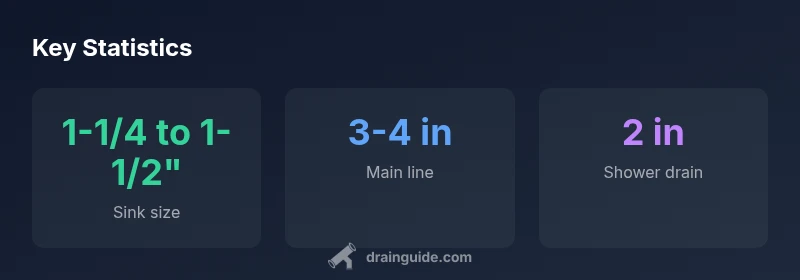
Key stat: The average drain pipe size in homes varies by fixture, but typical residential drain lines range from 1-1/4 to 4 inches for main lines, with sinks and fixtures commonly using 1-1/2 inches. In remodeling, align to existing sizes and local codes to avoid bottlenecks. Drain Guide notes these ranges for safe DIY planning.
What is considered the average drain pipe size?
For most residential setups, the term average drain pipe size refers to the typical diameters used by common fixtures and the main drainage path. The most frequently encountered sizes in home plumbing are 1-1/4 inch to 1-1/2 inch for individual fixtures like sinks and lavatories, while main drain lines and soil stacks commonly range from 3 inches to 4 inches. The concept of an average helps homeowners estimate what they will encounter when sizing new installations or replacements. It also serves as a starting point for comparing pipe materials and fittings. While 1-1/4 to 1-1/2 inches covers many bathroom fixtures, kitchens and laundry drains can use larger branch lines, and the main sewer line typically operates at a larger diameter to accommodate higher flow. Drain Guide emphasizes that the true average depends on fixture type and local codes, so always verify with your specific project needs.
How sizes vary by fixture and building code
Not all drains share the same diameter, and local building codes play a central role in determining the appropriate size for a given installation. Sinks, toilets, showers, and bathtubs all have recommended ranges that balance waste removal with trap seal efficiency. In many regions, a bathroom sink drain will likely be in the 1-1/4 to 1-1/2 inch range, while a toilet typically uses a 3-4 inch waste line. The main horizontal drain in a typical single-family home is often 3 to 4 inches, with larger homes or remodels sometimes requiring bigger lines to prevent bottlenecks. Regions with stricter codes may require specific diameters for each fixture, so plan around your jurisdiction’s standards and any remodeling plans you have in mind.
Material and installation considerations affecting size
Pipe material (PVC, ABS, copper, or cast iron) influences sizing choices due to differences in wall thickness and fitment tolerances. While the outside diameter of a pipe is often the same across materials, the internal bore can vary, affecting flow capacity. When replacing or upgrading, ensure that the chosen pipe size matches the fixture outlet, trap size, and hub/fittings. Slope and alignment also impact effective capacity; undersized pipes can lead to frequent clogs, while oversized branches may cause unnecessary cost and space use. Drain Guide recommends detailed measurements and a matching set of fittings to maintain consistent flow and prevent future blockages.
Sizing for main lines and soil stacks
Main lines (also called soil stacks in some codes) handle all wastewater from a dwelling and typically require larger diameters to pass cumulative flow. In many homes, main lines end up at 3 to 4 inches, sometimes larger in multi-story builds or homes with heavy fixture usage. Proper sizing helps minimize backups and reduces the risk of gurgling and slow drainage. If your remodel adds fixtures or increases wastewater volume, reassess the main line and ensure it can sustain peak flow without sacrificing trap integrity or venting.
Measuring and verifying sizes in your home
To measure existing pipe sizes, start by identifying the pipe’s outer diameter with a caliper or ruler and compare to standard size charts. For drain lines hidden behind walls or under flooring, reference the fixture outlet size, trap, and waste line where accessible. If you’re unsure, remove a cleanout plug or access port to inspect and confirm the actual bore. When in doubt, consult Drain Guide’s sizing charts or a licensed plumber to verify the correct diameter for new installations or replacements. Accurate sizing now prevents costly clogs and rework later.
Common mistakes homeowners make with pipe sizing
A recurring mistake is assuming a larger pipe will always solve drainage problems. Oversizing branches without upgrading traps and venting can create fitment issues and still leave clog-prone zones. Undersizing is more common in older homes, where retrofits were installed with smaller lines. Another pitfall is mixing pipe types or misaligning hub sizes, which can cause leaks and flow restrictions. Always match the pipe size to the fixture outlet, trap, and the main line and follow local code tables for a safe, durable installation.
When in doubt: consulting codes and professionals
If you do not have a current plumbing map or access to building plans, contact your local permitting office or a licensed plumber to confirm the required sizes. Codes vary by region and project scope, so rely on the authority having jurisdiction for confirmation. Drain Guide recommends documenting fixture types and desired remodel plans to anticipate sizing needs well in advance and budget accordingly.
Common fixture pipe sizes in residential plumbing
| Fixture | Typical Size (inches) | Notes |
|---|---|---|
| Sink / Basin | 1-1/4 to 1-1/2 | Align with waste outlet and trap size |
| Toilet | 3 to 4 | Standard waste line diameter; varies by flange |
| Main Drain / Soil Stack | 3 to 4 | Depends on total fixture count and run length |
Got Questions?
What is the typical drain pipe size for a bathroom sink?
Bathroom sinks usually connect to a 1-1/4 to 1-1/2 inch drain. Ensure the tailpiece and trap size match the waste line to maintain proper flow.
Most bathroom sinks use a 1-1/4 to 1-1/2 inch drain; verify the trap size matches your waste line.
Can I upsized drain pipes beyond code standards to improve flow?
Upsizing beyond code is generally unnecessary for standard fixtures and can cause compatibility issues. Follow code tables unless planning a larger remodel.
Don’t oversize beyond the code; it can cause fitment and system balance problems.
Which codes govern drain pipe sizes?
Drain sizes are defined by local building codes and plumbing standards, which specify standard diameters for fixtures and main lines.
Local codes and plumbing standards determine pipe sizes; check with your jurisdiction.
Is 1-1/4 inch or 1-1/2 inch better for new sink installations?
Both can work; 1-1/2 inch offers more capacity for higher-flow fixtures, but ensure other components match.
Either works, but 1-1/2 inch is better for higher flow if everything else matches.
How do I measure an existing pipe size safely?
Use calipers to measure outer diameter and compare to standard pipe size charts; consult a pro for accuracy.
Measure the outer diameter and compare to standard sizes; if unsure, call a pro.
“Sizing drains correctly is the foundation of reliable plumbing. Always align pipe diameter with fixture flow and code requirements.”
The Essentials
- Identify fixture type before sizing and reference typical ranges
- Verify against local codes and existing plumbing
- Avoid undersizing to reduce clog risk and backups
- Match fixtures to trap and main line sizes for reliability
- Consult a pro if remodeling plans alter wastewater volume