How to Get Rid of Drain Gnats: A Practical DIY Guide
Discover practical, science-based steps to eliminate drain gnats from kitchens, bathrooms, and laundry areas. Learn causes, cleaning strategies, traps, and prevention to keep gnats away for good.


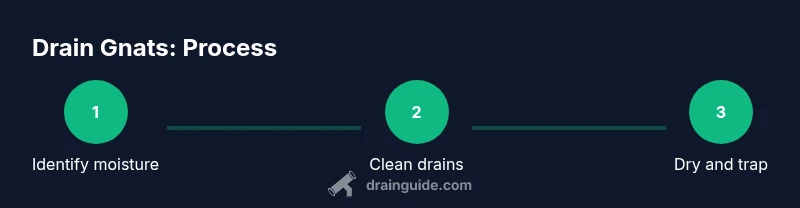
Quick answer: To get rid of drain gnats, start by identifying moisture sources near sinks and drains, then clean and flush the drains, remove organic buildup, and dry the area. Use baking soda and vinegar or enzyme-based cleaners, followed by a targeted gnat trap if needed. Maintain dry surfaces and schedule weekly sanitation to prevent return.
What attracts drain gnats and how they enter your home
Drain gnats are tiny, swift flies drawn to moisture, organic debris, and standing water. In kitchens and bathrooms, slow drains, damp p-traps, and garbage disposal residues create ideal breeding grounds. According to Drain Guide, the most common entry points are poorly sealed plumbing joints, leaky faucets, and drains that haven’t been cleaned in weeks. You may notice gnats circling around sinks, stoves, or behind the bathroom vanity as they search for the damp, organic matter they need to complete their life cycle.
Understanding the life cycle helps you break the cycle quickly: female gnats lay eggs on damp organic matter; larvae hatch within hours and develop in the film of slime inside pipes. Adults then emerge, attracted to light and to moist surfaces near drains. Once you identify the moisture source, you can target the problem with precision and reduce repeated infestations. Drain Guide analysis shows that stopping the moisture source has a greater impact on gnats than any single cleaner. The key takeaway: fix leaks, dry surfaces, and remove debris to prevent breeding sites.
The lifecycle of drain gnats
The lifecycle typically includes egg, larva, pupa, and adult stages, with breeding largely tied to damp conditions inside and around drains. Gnats prefer warm, humid environments rich in organic matter like decomposed hair, soap scum, and food residue. Knowing the timeline helps you plan the intervention. Eggs can hatch within 24-48 hours in favorable conditions, and adults can appear within a week if the source remains moist. Regular sanitation interrupts this cycle by removing breeding sites and reducing the food source.
Observations from the Drain Guide Team indicate that even a small amount of standing water can sustain a colony for weeks. Therefore, focusing on uniform dryness and consistent drain maintenance is more effective than sporadic cleaning. Small steps, repeated daily, lead to big results.
Immediate action: test and clean the drain
Start with a quick test: observe the drain area for dampness, slime, or trapped water behind the trap. If you see a film of organic matter, you’ll likely have gnats breeding there. Remove the drain cover and scrub the interior with a stiff brush, then rinse thoroughly. Wipe the surrounding sink area dry to remove scent cues that attract adults. This initial cleaning reduces larval habitat and makes subsequent steps more effective. Drain Guide Team recommends pairing physical cleaning with moisture control for best results. If you still see gnats after cleaning, move to step two and consider a more aggressive flush.
Deep clean methods: baking soda, vinegar, and enzyme cleaners
A practical, chemical-free approach uses baking soda and hot water to disrupt buildup, followed by a vinegar rinse to attack odors. Pour a kettle of near-boiling water into the drain, wait a few seconds, then add 1/2 cup baking soda. Rinse with more hot water. For stubborn buildup, a diluted enzyme-based drain cleaner can digest organic matter without harming pipes. Always follow label directions and avoid mixing cleaners with bleach, which can be hazardous. Enzymes work best when the drain is dry for a while after treatment to prevent immediate re-colonization. If you prefer a natural option, use lemon slices and salt as a maintenance boost, but do not rely on this alone for an infestation. Drain Guide's field notes emphasize combining mechanical cleaning with enzymatic treatment for durable results.
Preventive maintenance: dry surfaces, traps, and spills
Prevention is easier than eradication. After you flush and clean, dry all surfaces around the sink and fix leaks promptly. Replace damaged seals and install drain covers where appropriate to prevent gnats from dipping into the drainage system. Place sticky traps near drains to capture adults while you address the source, selecting traps with bright colors to attract gnats. Empty and rinse traps daily during peak activity, then dispose of captured gnats. Keep spills wiped within 15 minutes to avoid creating new breeding sites. A small dehumidifier in humid bathrooms can help reduce moisture levels, especially in apartments or high-humidity homes. Drain Guide's practical guidance highlights the payoff from steady moisture control and routine sanitation.
Wet vs dry areas: kitchen, bathroom, and laundry
Different rooms present different challenges. Kitchen sinks are prone to food residue and grease layers that harbor organic matter; bathrooms harbor soap scum and hair debris; laundry areas often accumulate damp laundry or humid air that supports gnats. In all spaces, aim for dryness: wipe down sinks each night, repair leaky faucets, and ensure traps are functioning. For kitchens, run the disposal or drain line with hot water weekly to reduce standing matter. In bathrooms, ensure venting is working and consider an exhaust fan to remove humidity. In laundry rooms, promptly remove damp towels and fix leaks around washers. Drain gnats do not respect room boundaries; consistent, targeted cleaning across all potential habitats is essential, and maintaining dryness is the biggest deterrent. Drain Guide’s analysis supports a cross-room approach for effective control.
When to call a professional
If gnats persist after a thorough DIY approach, or if you suspect sewer line problems, call a licensed plumber. Signs include persistent foul odors, wet areas behind walls, or recurring infestations despite your best effort. A plumber can inspect venting, check for hidden leaks, and clean hidden pipes. In shared buildings, hold property management accountable for drainage issues. The Drain Guide Team cautions that professional inspection is prudent when sanitation steps fail or when you notice structural plumbing defects that DIY solutions cannot repair.
30-day plan to eliminate drain gnats
Week 1: Deep clean, flush, and monitor. Week 2: Replace damaged seals, install traps, and intensify venting. Week 3: Reassess humidity, run tests on traps; Week 4: Maintain dryness and monitor leaks. Daily tasks: wipe surfaces, empty traps, check p-traps, and keep drains clear. Weekly tasks: run hot water flush, deep clean all drains, inspect for moisture, and adjust ventilation. This plan builds on the methods described above and aims to reduce gnats by breaking breeding cycles. Drain Guide recommends following a structured schedule to ensure consistency and measurable results.
Common myths vs reality about drain gnats
Myth: gnats come from the garbage; reality: gnats primarily breed in moist organic matter in drains and plumbing. Myth: peppermint oil repels gnats; reality: essential oils may mask odor but do not disinfect drains. Myth: bleach cleans drains instantly; reality: bleach can corrode pipes and harm beneficial microbes; use only as directed and sparingly. Myth: gnats are harmless; reality: while not dangerous, they indicate a moisture problem that can lead to mold or structural issues if ignored. Drain Guide's experience shows practical steps work better than home remedies without real evidence.
What to do after the gnats are gone to keep them away
After the infestation is controlled, maintain the routines that stopped the breeding: regular drain cleaning, moisture control, seal leaks, and dry surfaces. Keep traps in place for a few weeks as a safety net, then remove them gradually. Schedule monthly checks of plumbing joints and p-traps, and maintain a dry environment by using ventilation and dehumidification where needed. Drain gnats recur most often when moisture returns; staying vigilant with small daily habits prevents a new cycle from forming.
Tools & Materials
- Rubber gloves(Protect hands while cleaning)
- Scrub brush(Stiff-bristled for drain interior)
- Baking soda(About 1/2 cup per flush)
- Distilled white vinegar(Optional for odor and cleaning boost)
- Hot water(Boiling or near-boiling temperature)
- Enzyme-based drain cleaner(Follow label directions)
- Sticky traps / light sugar solution traps(Place near drains to capture adults)
- Dry towel or microfiber cloth(Dry surfaces after flushing)
- Flashlight(Inspect hidden areas)
Steps
Estimated time: 60-90 minutes for initial deep clean; ongoing daily checks for 2-3 weeks
- 1
Identify moisture sources
Inspect under sinks, around drains, and near garbage areas to locate lingering moisture and organic debris that attract gnats. This helps you target cleaning effectively and reduces recurrence.
Tip: Check p-traps for standing water; gnats breed in damp organic matter. - 2
Declutter and clean the affected drains
Remove drain covers and scrub the interior with a brush, then rinse. Wipe surrounding surfaces dry to remove scent cues that attract adults.
Tip: A shop-vac can help remove debris from the drain interior. - 3
Flush with hot water and natural cleaners
Pour boiling or near-boiling water down the drain, followed by a baking soda and hot water flush, then a vinegar rinse if desired. This disrupts the larval habitat.
Tip: Never mix baking soda with bleach; this creates toxic fumes. - 4
Use enzyme-based drain cleaners if needed
If buildup persists, apply an enzyme-based cleaner per label directions to digest organic matter without harming pipes.
Tip: Enzymes work best when the drain is dry for some hours after use. - 5
Dry and seal potential entry points
Wipe all surfaces dry, fix leaks, and consider sealing cracks or gaps around pipes. Gnats prefer moisture-rich microhabitats.
Tip: Keep a dry towel handy near sinks for quick daily maintenance. - 6
Set traps for adult gnats
Place sticky traps or lightly sweetened water traps near the drain to capture adults while you fix the source.
Tip: Replace traps weekly until activity subsides.
Got Questions?
What are drain gnats and why are they in my home?
Drain gnats are tiny flies that breed in moist organic matter in drains. They enter homes via plumbing leaks, faulty traps, or blocked drains. Identifying moisture sources is the first step to control.
Drain gnats breed in moist organic matter inside drains; finding and eliminating moisture is key to control.
Can baking soda and vinegar kill drain gnats?
Baking soda and vinegar can help disrupt buildup and odors, but they are not a sole solution. Use them as part of a multi-step cleaning routine after removing visible debris.
Baking soda and vinegar help clean drains, but they won't solve a gnats infestation by themselves.
How long does it take to see results?
You may see a reduction in activity within a few days, but total eradication often takes 1-3 weeks with thorough cleaning and ongoing maintenance.
Expect a few days for progress; full results take 1-3 weeks with consistent cleaning.
Is it safe to use chemical drain cleaners?
Use caution with chemical cleaners; they can irritate skin and pipes if misused. Prefer enzyme-based cleaners or steam cleaning where appropriate.
Chemical cleaners can be effective but should be used with care; enzyme cleaners are a safer alternative.
Should I hire a plumber if gnats persist?
If gnats persist despite thorough cleaning and elimination of leaks, consult a licensed plumber to check for hidden leaks, sewer lines, or vent issues.
If gnats persist after DIY steps, call a plumber to inspect for hidden leaks or sewer problems.
Can a simple trap remove adults only?
Traps capture many adults but won't prevent larvae hatching; combine traps with ongoing cleaning and moisture control for best results.
Traps catch adults, but you still need to fix the moisture problem to prevent larvae.
Watch Video
The Essentials
- Identify moisture sources and eliminate standing water
- Flush drains with hot water and natural cleaners regularly
- Use enzyme cleaners on persistent buildup
- Dry surfaces and fix leaks to prevent recurrence
- Set traps to catch adult gnats while you work