Drain for Bathroom Sink: Unclog and Maintain
Learn practical, step-by-step methods to unclog and maintain your bathroom sink drain with safe, actionable guidance for homeowners.


This guide shows you how to diagnose and fix a clogged or slow-draining bathroom sink by inspecting the trap, clearing hair and buildup, and using safe, manual methods. You’ll learn when to DIY, what tools to use, and how to prevent future clogs—delivered in practical, step-by-step actions.
Understanding how a bathroom sink drain works
A bathroom sink drain relies on a simple yet effective layout to move used water away from the basin while preventing sewer gases from entering the home. The major components include the sink strainer or stopper, the tailpiece that leads down from the basin, the P-trap which forms a water seal, and the trap arm that connects to the building drain. Hair, soap scum, toothpaste, and mineral buildup are the usual suspects when a drain begins to slow. Knowing where each piece sits helps you diagnose issues quickly: most clogs start in the P-trap or just beyond, where debris collects. In this Drain Guide article, we’ll emphasize safe, practical techniques that avoid harsh chemicals while restoring full drainage. Expect a clear plan, a checklist of tools, and maintenance habits that minimize future problems with the drain for bathroom sink.
As you work, remember that patience and a methodical approach save time and reduce the risk of leaks. By focusing on mechanical methods first (manual removal and snaking) and reserving chemical cleaners as a last resort, you ensure a safer, more reliable fix. This approach also aligns with common-sense DIY practices that homeowners can repeat during quarterly maintenance.
Common causes of slow draining in bathroom sinks
Slow drainage in a bathroom sink is usually a signal that debris has accumulated somewhere along the path from the basin to the main drain. Hair is the most common culprit, especially in households with long or thick hair. Soap scum and toothpaste residue contribute to sticky buildup that glazes over the interior walls of the pipes, inviting further deposits. Mineral-rich water can leave scale behind, narrowing the pipe diameter over time. In some cases, a small object dropped into the drain—such as a ring or a loose stopper piece—can create a partial blockage that slows flow. Understanding these typical causes helps you tailor your approach: start with the trap area and work outward if you suspect a buildup rather than a single, hard obstruction.
Another factor is the way the drain is assembled. A poorly fitted or loose P-trap can allow hair and debris to catch on edges, forming a mini-dam that slows water flow even when the rest of the system looks clear. By recognizing both the material buildup and potential fit issues, you can decide whether a simple cleaning, a trap adjustment, or a more thorough disassembly is needed. Drain Guide emphasizes a systematic approach to determine whether the clog is in the trap, in the trap arm, or deeper in the drain line.
Tools and safety you should use before starting
Before you begin any drain work, gather the right tools and protect yourself. A clean, well-lit workspace makes it easier to spot loose fittings and avoid spills. The recommended set includes: a plastic bucket or two (to catch water and debris); a pair of rubber gloves; protective eye wear if you anticipate splashes; a flashlight for dark corners; adjustable pliers or a channel-lock wrench for loosening metal nuts; a drain snake (or Zip-It tool) for loosening or pulling hair; and a plunger with a flat bell-shaped head for initial suction. Paper towels or old rags are essential for cleanup. If you have a portable shop vacuum, it can help clean up debris without scattering it around the sink area. Avoid mixing chemical drain cleaners with other cleaners or with any metal parts, as reactions can release harmful fumes. Drain cleaning should be treated as a hands-on job, not a guessing game, and always prioritize safety over speed. When in doubt, pause and reassess rather than forcing components apart.
Step-by-step diagnostic plan
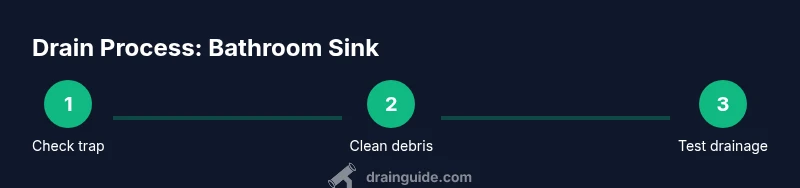
To locate the source of a slow drain, start with a quick test: run water and observe the flow rate. If drainage is only slow when the sink is used, the trap or trap arm is the most likely culprit. If water backs up into the other fixtures, you may be dealing with a main line issue or a vent problem. Begin by placing a bucket under the P-trap, then remove the trap to inspect for hair and debris. The next step is to visually inspect the trap arm for buildup and remove any visible blockages. If the trap and trap arm are clear but flow remains sluggish, a slow-going obstruction further down the line may be present, and professional help could be warranted. Finally, test the drain after each cleaning stage to ensure you’ve restored flow before reassembling.
Step-by-step: How to clear a bathroom sink drain (overview)
The following steps are designed to give you a clear workflow for unclogging and maintaining your bathroom sink drain. Each step has a defined purpose, a recommended action, and a pro tip to help you avoid common mistakes. Remember that the goal is to restore normal drainage with minimal disruption and without resorting to harsh chemicals. If at any point the water remains stubbornly blocked or you notice a leak, stop and reassess to prevent damage to fittings or the cabinet.
Preventive maintenance and best practices for drain for bathroom sink
Once you’ve cleared the clog, a short, routine maintenance routine can prevent recurring issues. Regularly remove hair from the strainer and the top of the tailpiece, ideally every one to two weeks, depending on usage. Use a drain guard or mesh screen to catch hair before it enters the pipework, and rinse the drain area with hot water and a small amount of mild dish soap weekly to reduce soap scum buildup. Avoid pouring grease or cooking oil down any drain, even in small amounts, as fats can solidify along the pipe walls. Periodically inspect the P-trap for signs of corrosion or cracks and replace damaged components promptly. If you have hard water, consider an annual de-scaling flush using a safe, manufacturer-approved cleaner and plenty of water. By following these steps, you can maintain smooth flow and extend the life of your bathroom sink drain system.
Safety and when to call a professional
DIY drain work is typically safe if you follow the steps with proper protective gear and patience. Wear gloves and eye protection, work in a well-ventilated area, and avoid forceful prying that could crack fittings. If you encounter a leak after reassembly, recheck the slip nuts and seals, then re-tighten carefully. Do not mix drain cleaners with other cleaners or with products containing bleach or ammonia, as dangerous gases may form. If the clog persists after you’ve tried the outlined approaches, or if you notice sewage backups, a damaged pipe, or signs of mold growth, contact a licensed plumber. Persistent issues could indicate a deeper plumbing problem that requires professional intervention.
Drain Guide recommends evaluating the situation and choosing a safe, measured path forward; sometimes a professional camera inspection is the most cost-effective way to prevent repeated repairs.
Authority sources and additional learning
For deeper understanding and government-backed guidance on residential plumbing safety, consult these sources:
- United States Environmental Protection Agency (EPA) Plumbing Safety basics: https://www.epa.gov/ (general plumbing safety guidance)
- Missouri Department of Health and Senior Services: Residential Plumbing Safety tips: https://health.mo.gov/
- University of Minnesota Extension: Home plumbing maintenance tips: https://extension.umn.edu/
These resources provide foundational safety practices and maintenance principles that complement hands-on DIY steps. Always cross-reference with local codes and product manuals when performing any drain work.
Quick reference checklist
- Gather tools: bucket, gloves, flashlight, pliers, drain snake, Zip-It, towels, and a safety mask if needed.
- Protect the cabinet: place towels to catch spills and drips.
- Disconnect the P-trap and inspect for hair debris.
- Clean the trap and seal joints tightly when reassembling.
- Test water flow after each major step.
- Install a screen or stopper guard to catch hair.
- Schedule routine maintenance every few weeks to avoid buildup.
Tools & Materials
- Plastic bucket (2-3 gallon)(To catch water and debris; place under P-trap before loosening nuts)
- Rubber gloves(Protect hands from grime and sharp edges)
- Safety goggles or eye protection(Protect eyes from splashes)
- Adjustable wrench or channel-lock pliers(Loosen and re-tighten slip nuts on P-trap)
- Pliers(Aid in gripping and turning fittings)
- Drain snake (hand auger) or Zip-It tool(Used to dislodge hair and compact debris)
- Plunger (cup/plastic)(Initial suction to loosen obstruction)
- Flashlight(Improve visibility under the sink)
- Old towels or rags(Protect surfaces and clean spills)
- Mild dish soap(Optional for prep cleaning; avoid harsh cleaners)
Steps
Estimated time: 25-45 minutes
- 1
Prepare the workspace
Clear the area under the sink. Place a bucket and towels, then put on gloves and eye protection. This ensures you catch water and debris while keeping yourself safe.
Tip: Have a flashlight ready to inspect the trap area; good lighting prevents missing hair clumps. - 2
Place bucket and loosen P-trap
Position the bucket under the tailpiece and P-trap. Use the adjustable wrench or pliers to loosen the slip nuts, starting with the outlet side, then the inlet side. Allow water to drain into the bucket.
Tip: Work slowly to avoid snapping plastic fittings; if the nut is stubborn, apply a little penetrating oil and wait a minute. - 3
Inspect and remove debris from trap
Carefully pull the trap away from the wall and inspect for hair, soap scum, and mineral buildup. Clean the interior with a brush and run water to rinse the debris before reassembling.
Tip: Keep the trap oriented the same way to ease reassembly and ensure the gasket seats correctly. - 4
Test the trap seal
Reattach the trap gradually and hand-tighten the slip nuts, then run water to test for leaks. If you detect a leak, tighten a touch more and recheck.
Tip: If leaks persist, disassemble and reseat the gasket or replace worn washers. - 5
Use a drain snake if blockage remains
Insert the snake into the drain and rotate to snag hair or compacted debris. Retract gradually and remove any material. Repeat until water runs freely.
Tip: Avoid forcing the snake; if resistance is high, withdraw and reposition to prevent pipe damage. - 6
Flush with hot water
Boil water and slowly pour it down the drain to clear remaining residue. Avoid boiling water if you have PVC pipes that may deform.
Tip: Add a splash of dish soap to help lubricate and loosen residue during the flush. - 7
Final test and cleanup
Run the faucet for 30–60 seconds to verify full drainage. Wipe down the area, dry the cabinet, and store tools properly.
Tip: Keep a short maintenance log to note when you performed the cleaning and any parts replaced. - 8
Prevent future clogs
Install a drain screen or stopper guard to catch hair. Schedule routine cleanings and avoid pouring oils or thick substances down the drain.
Tip: Place a reminder on your calendar for quarterly checks and cleaning sessions.
Got Questions?
Where is the clog located if the sink drains slowly only when used?
This pattern typically points to buildup in the trap or trap arm. Inspect these sections first, remove any debris, and test the drain before moving deeper into the line.
If the drain slows only when you use it, start by checking the trap for hair and buildup, then test the flow after cleaning.
Are chemical drain cleaners safe to use in a bathroom sink?
Chemical cleaners can be hazardous and may damage pipes if misused. Prefer mechanical methods first and only use cleaners as a last resort, following the product instructions carefully.
Chemicals can be dangerous; try manual methods first and use cleaners only if necessary and per instructions.
How long does it typically take to clear a bathroom sink drain?
Typical DIY clearing takes about 25–45 minutes, depending on the clog’s location and the complexity of fittings. Have patience and follow steps methodically.
Most DIY fixes take under an hour, depending on the clog and access to the trap.
Should I remove the P-trap to fix a clog?
Removing the P-trap is often the most reliable way to clear a hair clog. It lets you physically inspect and clean the trap for a clear path.
Yes, removing the P-trap is usually the best way to clear hair jams.
How can I prevent clogs in a bathroom sink drain?
Use a drain screen, avoid pouring thick substances down the drain, and perform periodic cleanings. Regular maintenance reduces the chance of stubborn clogs.
Install a screen and clean regularly to keep clogs away.
When should I call a professional plumber?
If you encounter persistent backups, leaks after reassembly, or you suspect a vent or main line issue, a licensed plumber is the safest course. Do not delay if sewage odors are present.
If you still have backups or leaks after DIY steps, contact a plumber.
Watch Video
The Essentials
- Identify whether the clog is in the trap or further down.
- Use mechanical methods first to avoid chemical hazards.
- Install a drain guard to prevent future hair buildup.
- Test drainage after each major step to confirm progress.