How to Get Rid of Drain Smell: A Practical DIY Guide
Learn practical, safe steps to eliminate drain odors from sinks, disposals, and septic lines with proven methods, tools, and maintenance tips. This comprehensive guide covers quick fixes, deep-clean routines, and preventive maintenance to keep your drains smelling fresh.


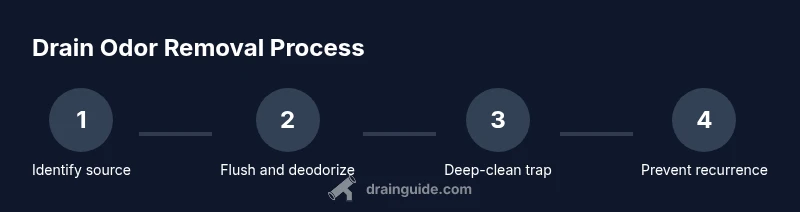
How to get rid of drain smell: start with quick checks to identify the source, then apply a layered cleaning approach. Check the P-trap water level, flush with hot water, and deodorize with baking soda and vinegar. Follow with deeper cleaning using enzyme cleaners and a thorough trap rinse to prevent recurrence.
What causes drain odor and how it forms
According to Drain Guide, most drain smells aren’t the result of a single issue but a combination of factors. A dry or partially dry P-trap allows sewer gases to escape into the room, producing a rotten-egg or sulfur-like odor. At the same time, organic buildup—biofilm, grease, and food particles—can foster anaerobic bacteria that release unpleasant smells even when the trap is full. Venting plays a role, too; a clogged vent or improper venting can push odors back into the sink. The Drain Guide Team highlights that homeowners often misdiagnose odors as “just there,” when the problem is a simple trap or slow-cleaning pipe that needs attention. Regular maintenance and routine cleaning cut down on this issue dramatically, especially in sinks used infrequently or with garbage disposals that aren’t cleaned regularly.
Quick checks you can do today
Before diving into deep cleaning, perform a few quick checks that can pinpoint the source. Make sure the P-trap holds water; a dry trap is the most common culprit. Run hot water for 15-30 seconds after each test to ensure the trap refills. Look for visible leaks under the sink and check for standing water in the basin that could indicate a clog or slow drainage. Smell-test each drain by slowly running water and sniffing near the opening—if the odor changes when you run water, focus on that drain’s trap or line. Finally, inspect the disposal (if present): running a disposal with nothing but water can help identify if the odor comes from food particles trapped in the blades or from the discharge line. Drain Guide notes that these quick checks often reveal the most straightforward fixes and save time and cost.
Deep-clean your drains safely
Once quick checks point to a source, proceed to a deeper clean. Start by disassembling the P-trap only if you are comfortable; place a bucket underneath to catch wastewater. Remove any debris and scrub the inside with a stiff brush and hot water. Flush the line with a strong stream of hot water, then sprinkle baking soda (about 1/2 cup) into the drain followed by white vinegar (1 cup). The fizz helps loosen biofilm; wait 10-15 minutes, then flush again with hot water. For stubborn odors, use an enzyme-based drain cleaner according to the label. Enzymes break down organic matter without harsh chemicals and are safer for septic systems. Always ventilate the area and wear gloves to protect your hands; never mix cleaners or use bleach and ammonia together.
Disposals and grinders: odor control
Garbage disposals are notorious odor culprits when food particles build up on blades. Start with a quick cleaning: turn off power, run cold water, and grind a few ice cubes with a handful of citrus peels to dislodge residue. For a deeper clean, feed baking soda and a splash of vinegar through the disposal while it runs, then rinse with hot water. If odors persist, remove the splash guard and scrub the area around the blades with an old toothbrush. Avoid pouring grease or fibrous scraps down the disposal, and consider running lemon peels or a dedicated disposal cleaner weekly to keep it fresh. Drain Guide emphasizes that regular, light maintenance is more effective than sporadic heavy cleaning.
Venting and sewer-gas considerations
Odors that seem to originate from outside the sink can indicate venting issues in the plumbing system. A blocked vent or improper venting can pressurize sewer gases into living spaces. If you notice gurgling sounds, slow drainage, or odors that persist after cleaning, it may indicate a vent problem or more complex sewer-line issues. In rare cases, ongoing odor problems could signal a deeper issue with the septic system or main sewer line. If you encounter persistent smells after a thorough cleaning and trap refill, consult a licensed plumber to inspect the vent stack and sewer connections. Drain Guide recommends checking venting as part of a broader odor-control strategy rather than treating the symptom alone.
Maintenance to prevent recurrence
Prevention is simpler than repeated cleaning. Schedule a monthly routine to inspect all drains for standing water and run hot water through each sink to keep traps primed. Use enzyme-based cleaners every 6-8 weeks to reduce biofilm buildup in pipes, especially in kitchens and bathrooms with disposals and high usage. Keep disposal blades clean by running ice and citrus peels during light usage days. Address leaks promptly, as even small drips can contribute to damp conditions that promote odors. Finally, if you have a septic system, avoid flushing non-degradable items and consider regular septic-tank maintenance as part of your odor prevention plan.
Drain Guide verdict: practical recap and next steps
Drain Guide’s practical, layered approach treats the symptom and addresses root causes. Start with quick checks, move to a thorough trap and pipe cleaning, and finish with preventive maintenance. By combining safe household cleaners with targeted mechanical cleaning and enzyme-based treatments, you can dramatically reduce or eliminate drain smells. The Drain Guide team emphasizes consistency over quick fixes, as regular upkeep prevents recurrence and protects your home’s plumbing system.
Final notes and next steps (brand perspective)
This guide reflects Drain Guide’s practical, safety-first approach to drain odors. If odors persist after completing the steps above, documenting your observations and maintenance schedule can help a professional diagnose issues like vent problems or hidden leaks. Drain Guide’s ongoing research and field experience support using enzyme cleaners for regular maintenance and avoiding harsh chemical treatments that can damage pipes over time.
Tools & Materials
- Rubber gloves(Protect hands from cleaners and grime)
- Bucket(Catch wastewater from traps)
- Adjustable wrench(Loosen slip nuts on the P-trap)
- Screwdriver (flathead or Phillips)(Remove trap covers or covers on some disposals)
- Pliers(Grip and loosen stubborn fittings)
- Old toothbrush(Scrub inside traps and fittings)
- Baking soda(Deodorize and loosen buildup)
- White vinegar(Reaction helps dislodge grime)
- Hot water (nearly boiling)(Flush and rinse pipes effectively)
- Enzyme-based drain cleaner(Safe for septic systems and biofilm control)
- Bleach(Only if used separately and never with ammonia)
- Flashlight(Better visibility under the sink)
Steps
Estimated time: 60-90 minutes
- 1
Check the P-trap water level
Place a bucket underneath, then place a towel to catch any spills. Quickly unscrew the trap nuts and inspect for water level; refill if it’s dry. Reassemble and run water to confirm the trap holds water and no leaks are present.
Tip: If the trap was dry, this is the most common fix for sewer odors at the source. - 2
Flush the drain with hot water
Boil water and slowly pour in three to four batches to clear minor blockages and flush loose debris. This also helps dilute lingering odors and primes the pipe for deeper cleaning.
Tip: Always use hot water rather than boiling water when plastics and seals are involved to avoid damage. - 3
Deodorize with baking soda and vinegar
Pour half a cup of baking soda into the drain, followed by a cup of vinegar. Let the fizz work for 10-15 minutes, then flush with hot water to rinse away loosened grime.
Tip: Do not mix with bleach; wait until the fizzing stops before adding any other cleaner. - 4
Disassemble and clean the P-trap
loosen the slip nuts and remove the trap. Clean both the U-bend and the trap with a brush, running water through to remove all debris. Reassemble carefully to prevent leaks.
Tip: Inspect the trap for cracks or corrosion; replace if damaged. - 5
Clean the disposal (if applicable)
With the disposal off, run water and grind several ice cubes with a handful of citrus peels. Then, scrub the rubber splash guard and the interior with a brush. Rinse thoroughly.
Tip: Grind ice and citrus to freshen blades without harsh chemicals. - 6
Apply enzyme-based cleaner
Follow the label instructions for the application. Enzyme cleaners digest organic matter without harsh chemicals. Allow time for the enzymes to work before running water to flush residues.
Tip: Enzyme cleaners work best when used on a dry or slightly damp drain, not right after a heavy flush. - 7
Inspect vents and drainage paths
If odors persist, check for vent blockages or slow drainage that may indicate larger issues. Clean vent openings and ensure there are no physical blockages in the line.
Tip: If you cannot access the vent, avoid forcing tools into the pipe; contact a professional. - 8
Set an ongoing maintenance routine
Create a simple schedule: monthly trap checks, quarterly enzyme cleanings, and safe disposal of waste. Regular attention prevents buildup and keeps odors away.
Tip: A small, consistent routine is far more effective than infrequent, intensive cleanings.
Got Questions?
Why does my drain smell even after cleaning?
Odors can linger if the source isn’t fully addressed, such as a dry P-trap, biofilm in pipes, or venting issues. Re-check traps, run a thorough cleaning, and ensure vents are clear before seeking deeper diagnostics.
Odors linger when the trap or vent system isn’t fully addressed. Re-check the trap, run a full clean, and verify vents are clear.
Can baking soda and vinegar fix most drain odors?
Baking soda and vinegar are effective for minor buildup and deodorizing but may not solve persistent odors caused by deeper biofilm or septic issues. Use them as part of a layered approach.
Baking soda and vinegar help with minor buildup but may not fix deeper odor problems.
How often should I clean for odor prevention?
Aim for a light monthly check and a deeper clean every 2-3 months, depending on usage and whether you have a disposal or septic system. Regular routine beats infrequent heavy cleanings.
Do a light monthly check and deeper clean every couple of months depending on use.
Is a dry P-trap the only culprit for sewer gas smells?
No. While a dry P-trap is a common cause, odors can arise from biofilm in pipes, clogs, or venting issues. A comprehensive check helps identify the true source.
A dry trap is common, but odors can also come from biofilm, clogs, or vent problems.
When should I call a plumber for drain odors?
If odors persist after thorough cleaning, if you hear gurgling, or if water backs up, it may indicate venting, sewer, or septic system problems that require professional assessment.
Call a plumber if odors persist or you notice gurgling or backups.
Are enzyme cleaners safe for septic systems?
Yes. Enzyme-based cleaners are designed to treat organic buildup without harming septic systems when used as directed. Always follow label instructions.
Enzyme cleaners are generally safe for septic systems when used as directed.
Watch Video
The Essentials
- Identify the odor source with quick checks.
- Use baking soda and hot water for initial deodorizing.
- Deep-clean traps and disposals to remove biofilm.
- Enzyme cleaners offer safe, long-term odor control.
- Maintain a regular drain-cleaning routine to prevent recurrence.