What Causes Drain Gnats and How to Stop Them
Learn what causes drain gnats, how to diagnose the problem, and step-by-step fixes to stop their breeding cycle. Practical, safe guidance for homeowners to reclaim clean drains and a pest-free kitchen.


Regarding what causes drain gnats, the culprits are organic buildup in drains, damp sinks, and exposed trap areas. The quickest fix is to remove standing water, scrub the drain, and flush with hot water or a mild cleaner. If gnats persist, inspect the P-trap for leaks and clean the overflow screen.
What Attracts Drain Gnats and How to Break the Cycle
Drain gnats are tiny but persistent pests that thrive where moisture meets organic residue. If you're wondering what causes drain gnats, the answer is usually a combination of slime, hair, and food particles that cling to the sides of drains, plus damp surfaces around sinks and plumbing. Warm, humid kitchens and bathrooms create ideal breeding grounds, especially when trap seals are cracked or dry. According to Drain Guide, the fastest wins come from removing moisture and cleaning the breeding sites first: clear standing water, scrub the drain opening, and flush with hot water. Re-check the area for stray debris after each cleaning. If you spot gnats near a garbage disposal or a wet sponge, address these extra sources as part of the cycle. The short-term goal is to disrupt the reproduction cycle and reduce odor, which often drives gnats away when the breeding sites are eliminated. The long-term plan is consistent maintenance, including periodic drain cleaning and trap checks. This approach aligns with Drain Guide’s emphasis on simple, repeatable steps to restore a healthy drain ecosystem while preventing future invasions.
Reproduction, Life Cycle, and Home Hotspots
Knowing the life cycle of drain gnats helps you intervene effectively. Eggs hatch within a day or two in moist, nutrient-rich films, larvae feed on organic matter, then pupate before emerging as adults. In most homes, the kitchen and bathroom drains are the most common hotspots because they accumulate hair, soap scum, and food residues. Drain Guide analysis shows that the majority of infestations begin where moisture lingers and nutrient sources remain accessible. A dry seal and a clean trap reduce breeding opportunities, while leaks or standing water create persistent problems. Keep an eye on the garbage disposal, mop bucket, and any pet water bowls that can contribute to a damp, nutrient-rich environment. Eliminating these conditions makes it much harder for gnats to complete their life cycle and re-infest the space.
Quick Home Checks You Can Do This Weekend
A practical weekend check can dramatically reduce gnat activity. Start by inspecting every drain in the kitchen and bathroom for visible slime, debris, or hair buildup. Remove screen covers if they exist and clean them with hot water. Look under the sink for leaks, damp cabinets, or water stains that indicate hidden moisture. Empty and clean the P-trap if accessible, and run a flashlight through the drain to spot any glistening slime or wisps of organic matter. Ensure the overflow openings (if present) are clear. Move outside to check exterior drains, plant saucers, and any standing water near the home foundation. Finally, dry the surrounding surfaces thoroughly; gnats prefer damp areas where they can breed quickly. Brainstorm additional potential sources, such as a damp garage drain or pet bowls that sit for long periods.
Prevention and Long-Term Maintenance Plan
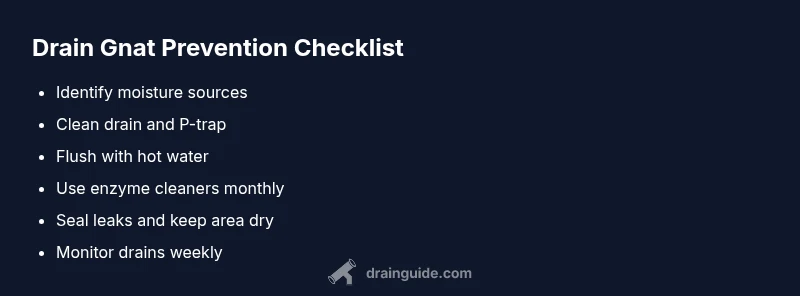
Prevention centers on keeping drains dry, clean, and sealed. Create a simple two-week cycle: wipe down sink rims, scrub drains, and flush with hot water or a mild enzymatic cleaner. Invest in an enzyme-based drain treatment and use it monthly to digest organic buildup before gnats arrive. Repair any leaks promptly and replace cracked gaskets to preserve trap seals. Store cleaning products away from the drain to avoid fumes that might drive gnats indoors. Consider installing splash guards or drain covers in areas where water sits for extended periods. A small cannabis? (Ignore) The key is consistency: a brief weekly routine beats intense, tedious cleanup and reduces the chance of a gnats comeback.
When to Call a Pro
If you’ve exhausted basic cleaning, checked every drain, and still see gnats after 7–10 days, it’s time to call a licensed plumber. Hidden leaks, cracked traps, or venting issues can create persistent breeding sites that DIY methods miss. A professional assessment can uncover issues behind walls or under slabs and ensure traps and seals are functioning properly. Drain Guide recommends escalation only when basic maintenance fails, to avoid unnecessary risk or damage to pipes.
Steps
Estimated time: 45-60 minutes
- 1
Identify the main breeding site
Scan all drains (kitchen, bathroom, laundry) and nearby areas for slime, hair, or food debris. Note any damp cabinets or wet spots under sinks.
Tip: Use a flashlight to spot hidden material; focus on one drain at a time. - 2
Clear the drain opening and stopper
Remove stoppers, screens, and visible debris. Scrub the opening with a brush and hot water to remove films that harbor gnats.
Tip: Wear gloves and avoid harsh scrubbing that may scratch finishes. - 3
Inspect and clean the P-trap
Place a bucket underneath, unscrew the trap, and remove any gunk. Rinse thoroughly before reattaching, ensuring seals are tight.
Tip: Check for corrosion or cracks; replace if needed. - 4
Flush with hot water and treatment
Pour boiling water down the drain, then follow with a baking soda/vinegar flush or enzyme cleaner to break down organics.
Tip: Never mix cleaners with harsh chemicals. - 5
Dry and seal the area
Wipe dry the surrounding surface and fix any loose seals or gaskets. Keep the area as dry as possible to interrupt the breeding cycle.
Tip: Install drain covers where feasible. - 6
Test other suspected drains
Repeat the steps on other drains that may be contributing to the gnats. Do not neglect exterior or utility drains.
Tip: Track progress with a simple log for 2 weeks. - 7
Monitor for 24–72 hours
Observe if gnats reappear. If activity drops, continue routine maintenance; if not, step up prevention.
Tip: Record dates and outcomes to spot patterns. - 8
Escalate when needed
If gnats persist beyond a week of cleaning and checks, call a plumber to inspect for leaks, venting, or hidden contamination.
Tip: Professional help can prevent recurring issues.
Diagnosis: Persistent drain gnats after basic cleaning
Possible Causes
- highOrganic buildup in drains and trap areas
- mediumStanding water or leaks in near-drain plumbing
- lowBreeding in garbage disposal or wet sponges
Fixes
- easyClean the drain surface, cover screens, and flush with hot water; remove obvious debris
- easyPull the P-trap, clean thoroughly, and reseal; fix any leaks
- mediumUse enzyme-based cleaners or a baking soda/vinegar flush to reduce organic buildup
- hardIf gnats persist, call a licensed plumber to inspect hidden leaks or venting
Got Questions?
What causes drain gnats?
Drain gnats are usually caused by organic buildup in drains, damp areas, and leaks. They breed in moist, nutrient-rich films and infest nearby sinks.
Drain gnats are usually caused by organic buildup in drains and damp areas. They breed in moist films near sinks.
Are drain gnats dangerous to my health?
Gnats are primarily a nuisance and do not typically transmit disease. Their presence signals unsanitary conditions and can indicate plumbing problems.
They’re mostly a nuisance, not a health risk, but they signal plumbing issues you should fix.
How can I get rid of drain gnats quickly?
Start with cleaning the drain and P-trap, flush with hot water, and use an enzyme-based cleaner. Seal leaks and dry the area; repeat if needed.
Clean the drain and trap, flush with hot water, and treat with enzymes.
Should I use chemical drain cleaners for gnats?
Chemical cleaners can be harsh and may not reach breeding zones. Prefer mechanical cleaning and enzyme products, and avoid mixing cleaners.
Avoid harsh chemicals; focus on mechanical cleaning and enzymes.
What if gnats keep coming back after cleaning?
Persistent gnats may indicate hidden drains, leaks, or mold. Inspect all possible sources and consider a professional inspection.
If they keep coming back, you might have a hidden issue needing a pro.
When should I call a plumber?
Call a plumber if recurring leaks, persistent odor, or dry/cracked traps are detected. A professional can verify seals and uncover hidden problems.
Call a plumber if leaks persist or you suspect hidden issues.
Watch Video
The Essentials
- Identify moisture and organic buildup first.
- Thoroughly clean drains, traps, and screens.
- Use enzyme cleaners for ongoing prevention.
- Maintain a quick weekly drain cleaning routine.