When Draining a Water Heater: A Step-by-Step Guide
Learn how to safely drain a water heater to flush sediment, protect the tank, and improve efficiency. This guide covers tools, steps, safety, troubleshooting, and maintenance tips for homeowners.


This guide explains what to do when draining a water heater to flush sediment, prevent corrosion, and extend appliance life. You’ll need basic tools, a bucket, hoses, and protective gear. According to Drain Guide, following a clear, step‑by‑step plan reduces risks and yields a safer, more efficient water heater. This quick answer will lead into a thorough, safe procedure.
Sediment buildup and why it matters when draining a water heater
Sediment forms at the bottom of your tank over time as minerals in your water settle out. This buildup reduces heating efficiency, insulates the tank, and can lead to noisy operation or premature failure. When draining a water heater, removing that sediment improves heat transfer and reduces strain on the tank. Drain Guide Analysis, 2026 notes that regular flushing helps maintain performance and extends the life of the unit. Practically, a clean tank heats more consistently and uses energy more efficiently, especially in areas with hard water. In this guide we focus on a safe, step‑by‑step approach that minimizes mess and risk while maximizing long‑term reliability. Sediment can also affect hot water production, causing fluctuations in water temperature that frustrate households. By planning and executing a proper flush, homeowners can regain predictable performance and avoid costly repairs down the line.
Safety first: essential precautions for draining a water heater
Before you touch any plumbing, set safety as the top priority. Shut off the power source for electric heaters or the gas supply for gas models. Turn off the cold water supply feeding the tank to minimize additional sediment and pressure during draining. Work in a dry, ventilated area and wear protective gloves and safety goggles to guard against splashes. If you have a pressure relief valve, ensure it remains accessible and not blocked. Never drain a hot tank in a crowded or wet environment where a slip could occur. Following these precautions reduces the risk of scalding, electrical shock, or gas hazards. Drain Guide Team emphasizes safety as the foundation of any DIY drain project, so take a moment to set up a safe workspace and confirm all shutdowns before opening any valves.
Tools and materials you’ll need (and how to prepare the workspace)
A well‑organized workspace makes the drain process smoother and safer. Gather a sturdy bucket or basin capable of holding the tank’s contents, a flexible hose long enough to reach the drain location, and a tolerant drain valve wrench or pliers to operate the valve gently. Have a shop rag or towels on hand for spills, and keep a waterproof mat under the unit in case of drips. Clear the area of clutter and place the bucket on a stable surface at a safe height. If your heater sits near sensitive flooring or carpet, lay down a tarp to protect surfaces from potential splashes. This preparation minimizes mess and helps you see leaks early, reducing the chance of a sudden overflow. Drain Guide’s practical approach to tool selection focuses on reliability and ease of use, ensuring homeowners aren’t forced to improvise mid‑procedure.
Preparing the system: shutoffs, pressure, and drain valve access
Take a few minutes to locate and test each shutdown point. Confirm the main water supply valve is fully closed to prevent incoming water during draining. Check the power or gas shutoff one more time to be sure the heater won’t heat while you’re working. With the water supply limited, you can safely open the drain valve slowly. Access to the drain valve may require removing a small panel or insulation, so proceed with care to avoid damaging nearby components. Opening the valve should produce a steady flow of water through the hose into the bucket. This stage sets the stage for a controlled flush and reduces the risk of water damage.
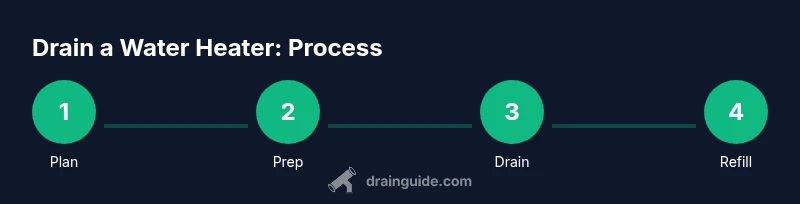
Step 1: Prepare the equipment and set up the hose and bucket
Attach one end of the hose to the water heater’s drain valve and route the other end into the bucket or to a drain. Place the bucket at a stable height and ensure it can accommodate the expected flow. Open and test the drain valve gradually to avoid a sudden surge. If you hear a whistling sound or see sputtering, back off and wait a moment before proceeding. Keeping the valve under control helps minimize splashing and splash temperature. Pro tip: wearing a long‑sleeve shirt protects your arms from contact with hot water or steam while you work.
Step 2: Open the drain valve and begin draining
Gently open the drain valve to let water begin exiting the tank. Allow a steady stream to form before fully opening the valve. If the water is extremely hot, pause and let the tank cool slightly before continuing. The initial drainage will carry loose sediment; it’s normal to see brown or cloudy water. Do not force the valve beyond its normal range; if it sticks, back off and try again after a few minutes. This step reduces the risk of overflow and helps you gauge sediment load while protecting the valve and hose.
Step 3: Flush the tank with fresh water and observe sediment
Once the tank is draining steadily, briefly turn the inlet water back on to flush sediment toward the drain. Let the water run until it looks clearer and the sediment appears reduced. If the flow slows substantially, you may need to drain again or adjust the hose to ensure the discharge isn’t blocked by debris. Observing the water color gives you a practical signal about sediment load and tank cleanliness. Drain Guide notes that a thorough flush improves heat transfer efficiency and reduces mineral buildup that leads to premature tank wear.
Step 4: Refill, vent air, and restore hot water
Close the drain valve when you’re satisfied with the flush. Reopen the cold water supply slowly to refill the tank, while keeping an eye on the bucket for any overflow. As the tank fills, use a hot water tap on the farthest fixture to vent air and speed up refilling. Once the tank is full and hot water is available, turn the power or gas back on. Finally, check for leaks around the drain valve and valve connections. A careful restart ensures a smooth return to normal operation and maintains heating efficiency.
Step 5: Post‑drain checks and routine maintenance
With the drain done, perform a quick system check: ensure the relief valve is functioning, verify there are no leaks, and inspect the area for moisture. If your water has a high mineral content, consider scheduling regular flushing every year or two to maintain performance. Record the date and any notes about sediment levels for future reference. Routine maintenance helps you catch issues early and reduces the likelihood of hard water damage over time. As Drain Guide emphasizes, a proactive approach saves time and money in the long run.
Tools & Materials
- Electrical power shutoff (breaker or disconnect)(Turn off the power for electric heaters; if unsure, consult a licensed electrician)
- Gas supply shutoff (for gas heaters)(Close the gas valve to stop pilot light and burner while draining)
- Drain valve hose(Flexible hose long enough to reach the drain or outside area)
- Bucket (5–7 gallons) or basin(Large enough to hold the expected tank discharge)
- Pliers or adjustable wrench(Used to loosen and operate the drain valve carefully)
- Gloves and safety goggles(Protect hands and eyes from hot water and splashes)
- Towels or absorbent mat(Place under and around the area to catch drips)
Steps
Estimated time: 60-90 minutes
- 1
Prepare the system and shutoffs
Confirm power and gas shutoffs are engaged and the cold water supply to the tank is closed. This prevents heated water from circulating while you drain and reduces pressure buildup. When the valves are secure, verify there are no leaks around connections.
Tip: Double-check drywall or shelving near the heater to ensure no accidental contact with hot panels during the process. - 2
Attach the drain hose and position the bucket
Connect the hose to the drain valve and route it toward the bucket or a safe drainage area. Position the bucket so it’s stable and won’t tip if water surges. Open the bucket lid if needed to minimize splashes and keep the work area clean.
Tip: Secure the hose to prevent movement that could cause spills. - 3
Open the drain valve slowly
Gently open the drain valve to start draining. Opening too quickly can cause splashing and water on the floor. Allow the water to flow steadily, observing the color and amount of sediment as it exits.
Tip: If you hear a whipping noise or see splatter, reduce the valve opening briefly before proceeding. - 4
Flush and monitor sediment
If your model allows, briefly reintroduce a small amount of water to flush sediment through the hose. Watch the water clarity; when it looks clearer with fewer particles, the flush is progressing well. Stop when you’re satisfied with sediment removal.
Tip: Don’t run the tank dry; maintain a controlled flow to avoid nozzle damage.
Got Questions?
Do I need to drain my water heater regularly?
Draining isn’t mandatory every year for every home, but regular flushing is recommended in areas with hard water or noticeable sediment buildup. Doing so helps maintain efficiency and prolongs the life of the tank. Plan a drain schedule based on water quality and tank age.
Draining isn’t required every year for every home, but flushing sediment regularly helps protect the heater and keep efficiency high.
Can I drain a water heater without turning off power or gas?
No. Always shut off the electrical power or gas supply before draining to avoid the risk of scalding, fire, or damage to electrical components.
No—power or gas must be shut off before draining to stay safe.
What size bucket should I use?
Use a bucket large enough to hold the tank’s contents without overflowing. A typical 5–7 gallon bucket works for most setups, but size needs vary with tank capacity.
A bucket big enough to hold the water is usually fine—often around five to seven gallons.
What if water is too hot to touch while draining?
Let the tank cool a bit before continuing if water feels dangerously hot. Use protective gear and keep children and pets away from the work area.
If the water is too hot, pause and let it cool, then resume with protection and caution.
Can I use chemical drain cleaners in a water heater?
Chemical drain cleaners are not recommended for water heaters. They can react with metal parts and valves, causing damage or safety hazards.
Don’t use chemical cleaners in a water heater.
How long does draining typically take?
Drain time varies with tank size and sediment load. Plan for about an hour or more for a thorough flush, plus time to refill and test.
Drain time depends on your tank, but set aside about an hour or more for the full process.
Watch Video
The Essentials
- Flushing removes sediment that reduces efficiency
- Shutoffs and safety gear are essential before starting
- Attach the hose and drain slowly to control flow
- Refill gradually and vent air to prevent pressure issues
- Document maintenance for future reference and safety