When to Drain Water Heaters: A Practical Guide for Homeowners
Discover when to drain water heater, how often to flush based on water quality, and a safe, step-by-step method to keep your tank efficient and long-lasting.


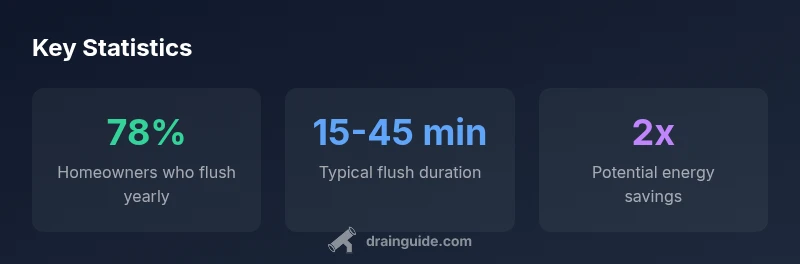
To prevent sediment buildup, drain and flush your water heater on a schedule. For most homes, this means flushing annually if you have hard water, or every 12-18 months if your water is softer. If you notice rusty water, reduced hot water, or banging sounds, flush sooner. Always follow safety steps: turn off power or gas, shut the cold-water supply, attach a hose, open the drain valve, flush, refill, and restart the heater.
What does it mean to drain a water heater and when to drain water heater?
Sediment from minerals can settle at the bottom of a tank over time. This buildup reduces efficiency and can shorten the unit’s life. The question of when to drain water heater depends on water quality, usage, and the unit’s age. In many homes, a yearly flush is a solid baseline, while higher mineral content or heavy usage may justify more frequent cleanouts. Understanding this maintenance task helps homeowners protect comfort, efficiency, and long-term cost.
Scheduling guidance: frequency by water hardness and usage
Water hardness is a major factor in sediment accumulation. If your area has hard water, plan for more frequent flushes—typically closer to every 12 months. Softer water regions may require flushing every 18-24 months. Family size and hot-water usage also influence timing: larger households with high daily draw can accelerate sediment buildup, suggesting a yearly flush as a prudent precaution. Use a practical calendar reminder to stay on track.
Step-by-step flush process for a standard electric/gas water heater
A safe flush follows a clear sequence:
- Turn off power (electric) or shut off gas supply and set the thermostat to pilot.
- Close the cold-water inlet valve to stop new water from entering the tank.
- Connect a hose to the drain valve and run the other end to a floor drain or bucket.
- Open the drain valve slowly; open a hot-water faucet to vent air and speed drainage.
- Let the water run until it’s clear. Close the drain valve, remove the hose, and reopen the cold-water inlet to refill.
- Once full, restore power or gas and return the thermostat to its previous setting. Check for leaks.
Common pitfalls and safety tips
Flushing a water heater is safe when done carefully. Common pitfalls include burning yourself on heated water, leaks from a loose hose, or forgetting to vent air, which can slow drainage. Always confirm the power or gas is off before starting, wear eye protection, and place towels around the work area. If you’re unsure about tank type (electric vs gas) or valve locations, consult the manufacturer guidance.
Signs you should drain sooner
Don’t wait for a full schedule if you notice indicators such as rusty or discolored water, strange banging noises, reduced hot water temperature, or excessive sediment buildup at the drain valve. These signs point to accelerated sediment accumulation and potential efficiency losses. In such cases, flushing earlier can prevent more serious issues and keep the system running smoothly.
Refill, power up, and post-flush checks
After flushing and refilling, ensure the tank is completely filled before restoring power or gas. Open the hot-water faucet briefly to purge air, then watch for leaks at the drain valve and inlet connections. Finally, turn the power/gas back on and set the thermostat to your preferred temperature. Run a few taps of hot water to confirm steady flow and correct temperature.
Tools and safety gear you should have
Prepare a basic toolkit: a garden hose, adjustable wrench, bucket, towels, and eye protection. For electric water heaters, have a non-contact voltage tester on hand and know your breaker location. For gas systems, verify the gas is safely shut off and the unit is free from any gas odor before maintenance.
Cost considerations and scheduling by family size
Labor for flushing is typically minimal, and most homeowners can perform the task with common household tools. Larger families using more hot water may benefit from more frequent flushes, while households with soft water may need fewer flushes. The primary cost is your time; health and safety take precedence over speed.
Long-term benefits of regular drainage and maintenance
Regular flushing keeps minerals from accumulating, helping the heater operate at peak efficiency and potentially extend its lifespan. A well-maintained unit dries faster to recover energy, reduces the likelihood of hot water shortages during peak usage, and minimizes energy waste. The practice also lowers the risk of tank corrosion and related leaks.
Guidance table for flushing a residential water heater
| Parameter | Recommendation | Notes |
|---|---|---|
| Frequency | 12-24 months | Adjust for water hardness and usage |
| Temperature | Do not exceed factory setting when flushing | Avoid scalding risk |
| Tools | Garden hose, bucket, screwdriver | Common household tools |
| Power | Turn off power/gas prior to draining | Safety first |
Got Questions?
How often should I drain a water heater?
Most homes should flush annually if the water is hard, or every 12-24 months for softer water. If you observe signs like rusty water or reduced hot water, flush sooner.
Flush yearly for hard water or every 1-2 years for softer water. Flush sooner if you notice signs of sediment.
Is it safe to drain a water heater yourself?
Yes, with proper safety steps: power or gas off, cold-water valve closed, hose attached, drain opened, tank flushed, and the system refilled before powering back up.
Yes, you can drain it yourself by following safety steps and manufacturer guidelines.
What should I do if I see rusty water when flushing?
Rusty water suggests sediment buildup or corrosion. Stop flushing if you see persistent rust and have the system inspected by a professional.
Rusty water means sediment or corrosion; stop and seek professional evaluation if it persists.
Do tankless water heaters require flushing?
Some tankless units accumulate mineral buildup; follow the manufacturer’s recommendations. Not all require annual flushing like tanked units.
Tankless heaters sometimes need flushing—check your model’s guidelines.
What tools do I need to drain safely?
You’ll typically need a garden hose, bucket, adjustable wrench, towels, and eye protection. For electric units, have a voltage tester; for gas, ensure safe shutdown.
Grab a hose, bucket, wrench, towels, and eye protection, plus follow safety steps.
“Regular draining is a simple, high-value maintenance step that keeps your water heater efficient and extends its life.”
The Essentials
- Schedule flushes based on water hardness and usage.
- Follow a safe, step-by-step flush process.
- Refill completely before restoring power or gas.
- Watch for signs that indicate earlier flushing is needed.
- Regular flushing improves efficiency and lifespan.