How to Drain a Water Heater: A Step-by-Step DIY Guide
Learn how to drain a water heater safely to flush sediment, improve efficiency, and extend its life. This Drain Guide tutorial covers when to drain, what you need, and a clear, step-by-step process with safety tips.


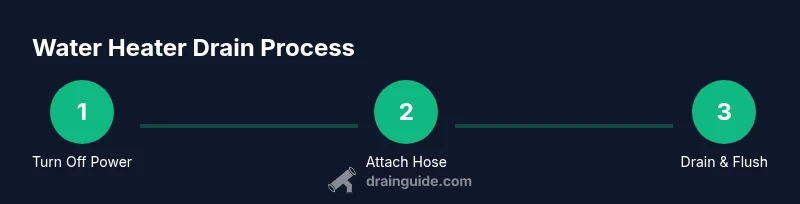
Drain your water heater safely by following these steps: turn off power and the cold water supply, attach a hose to the drain valve, open the drain and vent air, flush out sediment with a controlled flow, then refill and restore power. This guide offers a clear, practical path to a cleaner tank and better efficiency. Drain Guide emphasizes safety first and a methodical approach.
Why draining a water heater matters
Sediment and mineral buildup can insulate the heating element and reduce efficiency, causing longer heating times and higher energy bills. Regular draining helps remove settled sediment, preventing corrosion and extending the life of your tank. According to Drain Guide, a well-maintained heater operates more reliably and delivers cleaner hot water. In this section we explain what happens inside the tank, why minerals accumulate, and how draining mitigates these issues. You’ll learn how to assess whether your unit needs flushing and how often to schedule this task based on water quality and usage. The goal is to minimize scale and improve heat transfer so your heater doesn’t work harder than it should. By understanding the rationale behind draining, you’ll approach the task with confidence and safety in mind. This long-term maintenance reduces the risk of reduced hot water supply, rusty water, and costly repairs that catch homeowners off guard.
When to drain and how often
Drainage schedules vary based on water quality, usage, and the type of heater. If you notice cloudy or sandy water, a noticeable decrease in hot water performance, rumbling sounds, or a tank that feels hotter than expected, it’s generally a good time to drain. For homes in areas with hard water or noticeable sediment in the cold water supply, consider flushing more regularly. As a rule of thumb, many homeowners tackle drainage as part of routine maintenance, while homeowners with water softeners or higher mineral content should plan more frequent sessions. Drain Guide notes that consistent, moderate flushing helps sustain heat transfer efficiency and can prevent premature component wear. The key is to build a predictable routine that aligns with your water quality and household demand, ensuring you catch buildup before it becomes a problem.
Tools and safety precautions
Before you begin, gather the essential tools and protective gear to keep the process safe and tidy. You’ll need a garden hose long enough to reach a floor drain or exterior area, a sturdy bucket (or two), a wide-mouth adjustable wrench, and a flashlight to inspect fittings. Wear gloves and protective eyewear, and lay down towels to absorb splashes. Check the area for a clear path to your drain outlet and ensure there is adequate ventilation if you’re working in a confined space. Turn off power to electric water heaters at the breaker or set the gas control to the pilot position on gas units. Finally, ensure the cold water supply valve to the heater is closed so the tank can discharge through the drain without refilling during the process.
Step-by-step overview (high-level)
The draining procedure follows a logical sequence: shut off power, close the cold water inlet, attach the hose to the drain valve, open a hot water faucet somewhere in the home to vent air, open the drain valve and let water flow while monitoring for leaks, flush out sediment by briefly admitting cold water, close the valve and remove the hose, then refill the tank and restore power. This overview helps you anticipate transitions between actions and minimizes the risk of scalding or leaks. Drain Guide suggests performing a test refill before reactivating the heater to ensure the system seals are intact and there are no drips. Keeping a calm pace is more important than rushing through the steps.
Common mistakes and safety tips
Many homeowners rush the process or skip safety steps, which can lead to burns or water damage. Always verify the heater is cool enough to touch, especially if it has been running recently. Do not work on a unit with exposed electrical components unless you can guarantee power is off. Use a hose that can handle hot water and don’t force connections if a valve is stuck. If the drain valve leaks, do not force it—treat it as a sign to tighten gently or replace the valve. Keep children and pets away from the work area, and have towels and a bucket ready for any unexpected spills. Drain Guide emphasizes that careful preparation reduces the risk of accidents and ensures a cleaner flush.
What to do after draining: refilling and testing
Refilling a drained tank must be done slowly to prevent a water hammer and to ensure proper expansion, especially if you’re reactivating a gas heater. Open the cold water supply valve gradually and watch for leaks at the drain valve and fittings. Once the tank is full, restore power or re-light the pilot on gas units and run the hot water at a faucet to bleed air from the system. Check the T&P valve for proper operation (do not block or force it) and look for any leaks around the drain valve or supply connections. Finish by wiping down the area and noting any changes in hot water delivery. Regular maintenance after drainage helps sustain efficiency and prolong valve life, according to Drain Guide.
Tools & Materials
- Garden hose(Length sufficient to reach a floor drain or exterior area)
- Bucket (5 gal) or trough(At least one large container to catch water)
- Adjustable wrench(For loosening/tightening drain fittings)
- Flashlight or headlamp(Insufficient light can hide leaks)
- Rubber gloves(Protect hands from hot water and debris)
- Towels or absorbent rags(Contain splashes on the floor)
- Safety goggles(Extra splash protection)
- Pliers or basin wrench(Useful if fittings are tight)
Steps
Estimated time: 60-90 minutes
- 1
Power off and shut off cold-water inlet
Locate the electrical breaker for an electric heater and switch it to off. For gas units, set the thermostat to the pilot or off position and ensure the unit is not actively heating. Close the cold-water supply valve to the top of the tank to prevent more water from entering while you drain.
Tip: Let the tank cool for safety if it was recently hot; hot water can cause scalds. - 2
Attach the drain hose to the drain valve
Place a garden hose on the drain valve’s outlet and tighten securely. Run the hose to a floor drain, outside, or a large bucket. Do not run the hose to a location where water could cause damage.
Tip: Double-check that the hose is fully seated to prevent leaks at the connection. - 3
Open a hot-water faucet to vent air
Open a nearby hot-water faucet; venting air allows water to flow smoothly from the tank and reduces pressure inside the tank. This step helps the drain water exit steadily without creating a vacuum.
Tip: Vent quickly but calmly; avoid forcing the faucet open if it’s stiff. - 4
Open the drain valve and begin draining
Carefully open the drain valve with the adjustable wrench or by hand if it has a knob. Allow water to flow through the hose. Monitor for leaks at connections and ensure sediment is being flushed out rather than just clear water.
Tip: If the flow is very slow, inspect the valve for obstruction and clear gently. - 5
Flush out sediment by brief cold-water rinses
With the drain still open, briefly open the cold-water inlet to flush sediment from the tank. Run small bursts of water for a minute or two until the water runs clearer. This helps suspend and wash out settled debris.
Tip: Avoid a long rinse at once; short bursts prevent excessive pressure and splashing. - 6
Close the drain valve and remove the hose
Close the drain valve securely and detach the hose. Place the hose in a safe location and prepare to refill. Inspect connections for any visible drips before proceeding.
Tip: Keep a towel handy to catch any residual drips as you disconnect. - 7
Refill slowly and restore power
Turn the cold-water inlet back on slowly to refill the tank. Once full, restore power to an electric heater at the breaker, or re-ignite the gas heater according to the manufacturer’s instructions. Run hot water from a faucet to purge air from the lines.
Tip: Don’t rush the refill; filling slowly helps prevent water hammer and leaks. - 8
Check for leaks and perform a safety test
Inspect all connections for leaks after refilling. If you have a pressure-relief valve, test it per the manufacturer’s guidelines. Run a few hot-water cycles to ensure temperature stability and observe for any abnormal noises or odors.
Tip: If any leak persists, tighten connections gently or call a professional; don’t ignore persistent drips.
Got Questions?
Do I need to turn off power to an electric water heater before draining?
Yes. Turn off the electrical circuit at the breaker to prevent shocks or heating while draining. If you’re unsure about the wiring, consult a licensed professional.
Yes—turn off the breaker before draining to avoid shocks or burns.
Can I drain without a garden hose?
A hose helps direct water away from your home and prevents flooding. If you don’t have one, you can borrow or purchase a basic hose rated for hot water, but never drain into areas that could cause damage.
A hose is strongly recommended to control the water path and avoid damage.
What if water won’t drain or the valve is stuck?
Don’t force the valve. If it’s stuck, shut off the power and water, wait a bit, and try again. If it remains stuck, contact a professional; forcing can cause leaks or valve damage.
If the valve is stuck, stop and seek professional help to avoid leaks.
How often should I drain a water heater?
Drain based on water quality and usage. In areas with hard water or noticeable sediment, more frequent flushing is beneficial. Establish a routine that fits your home and inspect the tank annually.
Drain as part of routine maintenance, especially with hard water.
Is it safe to drain a gas water heater?
Yes, with caution. Turn off the gas control or set to pilot, ensure ventilation, and follow the same drainage steps. Never bypass safety controls.
Gas heaters can be drained safely when you follow the safety steps.
What should I do after refilling the tank?
Bleed air by running hot water from a faucet until steady warm water comes out. Check for leaks at all fittings and test the pressure relief valve per the manufacturer’s instructions.
Bleed air, check for leaks, and test safety valves after refilling.
Watch Video
The Essentials
- Drain regularly to remove sediment and maintain efficiency
- Shut off power and water before starting for safety
- Use a hose and vent air to prevent pressure build-up
- Refill slowly and test for leaks to avoid water hammer