How to Use Caustic Soda for Drain Cleaning
Learn how to safely use caustic soda for drain cleaning with actionable steps, safety tips, and alternatives. This guide covers preparation, dosing, dwell time, flushing, and disposal for homeowners and DIY enthusiasts.


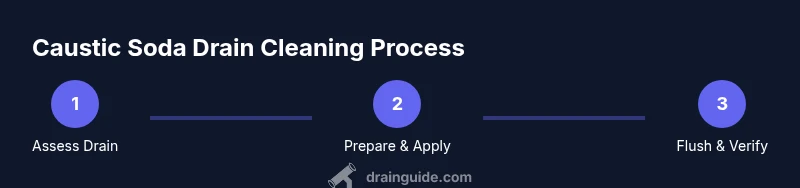
This guide explains how to use caustic soda for drain cleaning safely and effectively. It covers when to use it, preparation, dilution, application, dwell time, and flushing, along with safety and disposal considerations. Do not use on standing water, aluminum pipes, or with other cleaners; wear PPE and ventilate.
What is caustic soda and why it's used for drain cleaning
If you're exploring how to use caustic soda for drain cleaning, it helps to start with what caustic soda actually is. Caustic soda, or sodium hydroxide, is a strong base that reacts with organic material, grease, and hair to break them down into soluble compounds. When applied to a clogged drain, the chemical releases heat and creates a soapy, gel-like layer that can loosen and emulsify buildup. This process can speed up clearance in many kitchen and bathroom drains, especially where grease and soap scum are common culprits. Drain Guide emphasizes that while caustic soda can be effective, it is a potent chemical with risks, so it should be used with care and in the right circumstances. Users should read the product label carefully and follow all safety instructions to minimize exposure and chemical reactions. Remember: this information is intended to help DIY homeowners make informed decisions, not to replace professional advice for severe or persistent drain problems.
When to consider caustic soda for drains
Caustic soda is typically considered when a clog is mainly organic or grease-based and when mechanical methods (plunger, auger) have not fully cleared the line. It is less effective on solid masses or mineral deposits. Do not rely on it for drains with standing water, since the reaction can foam aggressively and splash. Check pipe material before use: caustic soda can damage certain metals and some plastics; in older homes, pipes may be more vulnerable. Drain Guide notes that if you’re unsure about pipe compatibility, test a small hidden area or consult a professional. If you have a septic system, consider that concentrated caustic soda can upset the balance of beneficial bacteria, so use sparingly and consider alternatives first.
Preparing to use caustic soda safely
Preparation is essential for a controlled, safe experience. Ensure you’re in a well-ventilated area and wearing appropriate PPE: chemical-resistant gloves, eye protection, and a long-sleeved shirt. Clear the area of children or pets, and have baking soda or an inert absorbent on hand in case of spills. Read the label for exact dosage and dwell-time guidance, and never mix caustic soda with acids, bleach, or other cleaners—dangerous fumes can form. If you’re uncertain about the drain’s materials or if water is present in the line, delay treatment and seek professional help. Drain Guide reminds homeowners to evaluate risk and use caustic soda only when the clog appears compatible with this method.
Step-by-step guidance and dosing considerations
Using caustic soda is a controlled chemical process. Start by measuring the recommended amount exactly as directed on the product label and prepare a clean, dry container to transfer the chemical into the drain. Never pour caustic soda directly from large bags into a drain; use a scoop or measuring cup and avoid splashing onto skin or clothing. After adding the chemical, gradually introduce water in a controlled manner to initiate the cleaning reaction, following the label’s instructions. Keep a safe distance and do not lean over the drain during the initial pour to avoid splashes.
Safety, hazards, and safe alternatives
Caustic soda is highly caustic and can cause severe chemical burns to skin and eyes, as well as respiratory irritation from fumes. Always work in a ventilated area and never mix with acids, bleach, or ammonia. Have plenty of water ready for thorough rinsing, and store containers securely to avoid accidental contact. If you have doubts about your safety, or if the drain is metal with potential aluminum components, consider safer alternatives like enzyme-based cleaners or a plunger/auger. For persistent or complicated clogs, a professional plumber is the safest option.
Environmental and plumbing considerations
Disposal matters. Do not pour leftover caustic soda into the soil or storm drains; seal and dispose according to local hazardous-waste guidelines. If you have a septic system, avoid frequent use and consider gentler methods to preserve beneficial bacteria. Running hot water after treatment can help flush residue, but never mix with other cleaners. In the long run, a regular maintenance plan that includes periodic mechanical cleaning or enzyme treatments can reduce the need for harsh chemicals.
Common mistakes and troubleshooting
Common mistakes include using too much chemical, skipping PPE, and treating a clog that isn’t primarily organic. If the drain remains sluggish after the dwell time, flush with plenty of hot water and re-evaluate pipe material and clog type. Do not reapply caustic soda immediately after a failed attempt; give the system time to recover and consider alternative methods. If you notice unusual odors, leaks, or pipe damage, stop immediately and call a licensed plumber.
Tools & Materials
- Chemical-resistant gloves (e.g., neoprene or nitrile)(Choose gloves rated for caustic soda contact; avoid cotton or leather.)
- Safety goggles or face shield(Protect eyes from splashes; ensure a snug seal.)
- Long-sleeved shirt and breathable protective clothing(Cover skin to prevent burns from splashes.)
- Ventilated workspace or respirator (optional for fumes)(Ensure airflow; use a respirator only if fumes are noticeable.)
- Measuring scoop or non-metallic measuring cup(Use only non-metal tools to avoid heat transfer or reaction with metal.)
- Non-metallic funnel or pouring container(Helps pour slowly and prevent spills.)
- Rinsing water source (hot water if advised by label)(Keep an ample supply for repeated flushes.)
- Bucket or tray for spills(Contain any drips and prevent floor damage.)
- Disposal container for leftover caustic soda(Follow local hazardous-waste guidelines.)
Steps
Estimated time: 60-90 minutes
- 1
Put on PPE and set up workspace
Don all recommended PPE and clear the area. Ensure pets and children are out of reach. Open windows for ventilation and prepare your cleanup materials.
Tip: Position a washable tray under the work area to catch any spills. - 2
Check drain material compatibility
Confirm the drain material is compatible with caustic soda. Do not use on aluminum or certain plastics without checking manufacturer guidance. If unsure, stop and consult a professional.
Tip: Look for label warnings about pipe materials and avoid metal components that react with caustic soda. - 3
Remove standing water if possible
If the drain contains standing water, remove as much as you safely can using a cup or small container. Standing water can dilute the chemical and reduce effectiveness. If water cannot be removed safely, skip the treatment.
Tip: A dry or nearly dry drain allows for better chemical contact with the clog. - 4
Measure and place caustic soda into the drain
Using the supplied scoop, measure the product amount exactly as the label directs and slowly pour into the drain using a non-metallic container. Keep hands and face away from the path of splashes.
Tip: Pour away from yourself to minimize splash risk; never smuggle the product directly from the bag into the drain. - 5
Add water gradually if required by the label
Follow the label’s directive on whether to add water and at what rate. If prompted, introduce water slowly to avoid a vigorous reaction that can cause splashes.
Tip: Do not dump a large amount of water at once; a controlled pour reduces risk. - 6
Allow the chemical to dwell
Allow the caustic soda to sit for the recommended dwell time, typically 15–30 minutes for many products. Do not disturb the drain while it reacts. If you hear fizzing or see steam, maintain distance and monitor.
Tip: Keep a timer visible so you don’t lose track of dwell time. - 7
Flush thoroughly with hot water
After the dwell time, flush the drain with copious hot water to rinse away dissolved material and chemical residue. Repeat if necessary, and monitor the flow.
Tip: Begin with a gentle stream and increase to a strong flush only after the initial pour has settled. - 8
Assess results and clean up
Check if the drain drains freely. If not, avoid repeating immediate chemical treatments; instead try mechanical methods or call a plumber. Clean PPE and work area, and seal any chemical containers.
Tip: If there is any lingering odor or irritation, air the area and rinse exposed surfaces immediately.
Got Questions?
Can caustic soda damage pipes?
Yes, caustic soda can corrode certain metals and degrade some plastics. Always verify pipe material compatibility on the label and consider safer methods for metal or older plastic pipes.
Yes, it can damage some pipes. Check compatibility on the label and choose safer methods if you’re unsure.
Is caustic soda safe to use in septic systems?
Caustic soda can disrupt beneficial bacteria in septic systems if used frequently or in high concentrations. Use sparingly and prefer enzyme or mechanical methods for routine maintenance.
It can disrupt septic bacteria, so use with caution and consider gentler options for regular maintenance.
What should I do if I spill caustic soda?
Contain the spill with absorbent material, neutralize if advised by label, and thoroughly rinse the area with water while wearing PPE. Dispose of waste according to hazardous-waste guidelines.
Contain and neutralize as directed, then rinse with plenty of water while wearing protection.
Can I reuse caustic soda if the drain clears?
Reusing loose caustic soda is not recommended due to potential contamination and reduced effectiveness. Dispose of leftovers safely and conduct a post-clear flush.
Don’t reuse leftover caustic soda; dispose properly and flush the drain after.
What are alternatives if caustic soda doesn’t work?
Consider enzyme-based cleansers, mechanical removal with a drain snake, or professional help for stubborn clogs. Enzymes are gentler on pipes and septic systems.
If it fails, try enzymatic cleaners or a drain snake, or call a plumber for stubborn clogs.
Watch Video
The Essentials
- Wear proper PPE before handling caustic soda.
- Only use when the pipe material is compatible with the chemical.
- Follow label directions for dosage and dwell time exactly.
- Rinse thoroughly and dispose of chemical waste safely.
- Consider safer alternatives for septic systems or recurring clogs.