Sulfuric Acid Drain Cleaner: A Safe, Step-by-Step Guide
Learn how to safely use sulfuric acid drain cleaner for stubborn clogs, with essential safety gear, disposal guidance, and a comprehensive step-by-step process tailored for homeowners.


This guide teaches homeowners how to safely use sulfuric acid drain cleaner for stubborn clogs. It covers when to avoid it, essential safety gear, proper storage, and a clear, step-by-step method to minimize risks and protect plumbing. The Drain Guide team provides practical, risk-aware instructions for homeowners with clear safety guidance.
What sulfuric acid drain cleaner is and when to use it
Sulfuric acid drain cleaner is a highly caustic chemical designed to dissolve organic clogs in drains. It’s powerful enough to break down hair, soap scum, and long-standing gunk, but it’s not a universal fix. For most household clogs, milder methods—such as plunging, using a plumber’s snake, or enzymatic cleaners—offer safer, pipe-friendly results. The Drain Guide team emphasizes that sulfuric acid drain cleaner should be treated as a last resort when softer approaches have failed and you’re fairly sure the blockage is organic in nature. Check your pipe material: PVC, older metal pipes, or septic systems may react more harshly to concentrated acids. If you proceed, read the label, adhere to the recommended dwell time, and keep kids and pets away. Repeated use can degrade gaskets and joints, possibly leading to leaks later on.
Safety first: PPE, ventilation, and handling
Working with sulfuric acid drain cleaner requires strict safety measures. Always wear chemical-resistant gloves (nitrile or neoprene), splash protection such as safety goggles or a face shield, and a long-sleeve shirt. Ensure the area is well ventilated; open a window or turn on a kitchen exhaust fan to disperse fumes. Never mix acids with any other cleaners or household chemicals, as dangerous reactions can occur. Keep a neutralizing agent and plenty of fresh water on hand in case of spills, and have someone nearby who can help if you feel lightheaded or notice skin irritation. Store any remaining product in its original container, tightly closed, away from children and heat sources. Finally, never remove the drain cover or attempt improvised shortcuts if the clog remains after treatment—pause and reassess or call a professional.
Alternatives to consider before sulfuric acid drain cleaner
Before reaching for a sulfuric acid drain cleaner, exhaust milder options first. Plunging, using a drain snake, or employing enzymatic cleaners can clear many clogs without harsh chemicals. For organic blockages, a combination of baking soda and hot water followed by vinegar is a safer at-home option, though results vary. Mechanical methods often resolve clogs without the risks associated with strong acids. If you have a septic system, you should avoid caustic cleaners entirely, as residual chemicals can disrupt beneficial bacteria. For frequent clogs, identify root causes—grease buildup, hair, or trapped solids—and address them with preventive steps such as straining, regular maintenance, and mindful disposal of kitchen waste. If you’re unsure, consult a licensed plumber before using sulfuric acid drain cleaner.
Preparing the area and tools
Set up a dedicated work zone around the affected drain. Remove any standing water with a cup or sponge so the cleaner can contact the blockage. Place a tray or towels to catch drips and prevent damage to floors. Read the product label carefully for the dwell time, ventilation requirements, and any pipe-specific warnings. Gather your safety gear (gloves, goggles, ventilation), the original cleaner container, a measuring cup for precise pouring, and a bucket for rinsing. Have a plan for immediate disposal of used cleaner and a clear path to a sink or drain to flush the system after the dwell period. Doing prep work reduces splash risk and keeps the area organized if you need to pause.
Step-by-step overview (high-level)
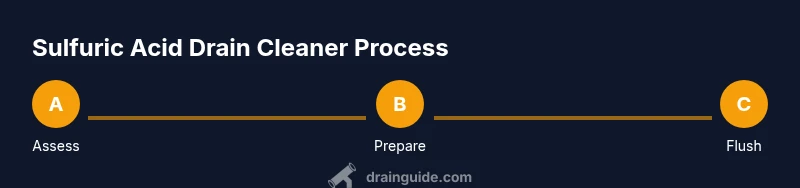
- This section outlines the general flow when using sulfuric acid drain cleaner as a last resort. Start with safety prep, then apply the product directly into the drain following the label, allow the recommended dwell time, and flush with copious water. Do not exceed the stated contact time and never mix with other cleaners. If the clog shows signs of movement, wait until the time limit expires before flushing to avoid splashes. If the drain remains clogged after the dwell period, stop and seek professional help rather than repeating the treatment. Remember that sulfuric acid drain cleaner is hazardous to pipes and skin, and should be treated with caution.
Aftercare: disposal, monitoring, and prevention
After treatment, flush the drain with a generous volume of water and observe whether the flow improves. If the blockage persists, do not continue to treat; repeated use can damage pipes and fixtures. Dispose of any leftover cleaner strictly according to label directions, store it sealed and upright, and away from heat. When possible, switch to safer maintenance routines to prevent future clogs: use hair catchers, avoid pouring grease down the drain, and schedule periodic professional inspections if you’re consistently dealing with clogs. Finally, document the process and outcomes so you can discuss preventive steps with a plumber or building maintenance team.
Tools & Materials
- Chemical-resistant gloves (nitrile or neoprene)(At least 2 pairs in case of spills)
- Safety goggles or face shield(Eye protection is essential)
- Ventilation (open window or exhaust fan)(Ensure good airflow during use)
- Measuring cup or pour spout bottle(Pour slowly to avoid splashes)
- Paper towels or absorbent cloth(Clean spills and wipe surfaces)
- Original container of sulfuric acid drain cleaner(Keep label visible; do not mix with other cleaners)
- Tray, mat, or bucket for drips(Protect floors and catch drips)
Steps
Estimated time: Estimated total time: 20-40 minutes
- 1
Read label and don PPE
Thoroughly read the product label for dwell time, concentration, and warnings. Put on chemical-resistant gloves and eye protection, and ensure you have adequate ventilation before opening the container.
Tip: Double-check that your pipes are compatible with caustic cleaners; if in doubt, choose a safer method first. - 2
Prepare the area and surfaces
Clear the area around the drain, remove standing water, and lay towels or a tray to catch spills. Ensure easy access to a sink for flushing after the dwell period.
Tip: Ventilation is crucial—open a window or run a fan to disperse fumes quickly. - 3
Pour the cleaner carefully
Slowly pour the cleaner directly into the drain opening as directed by the label. Keep your body to the side to avoid splashes, and do not reuse the container for other cleaners.
Tip: Stand back after pouring and avoid leaning over the drain during application. - 4
Wait the recommended dwell time
Allow the cleaner to work for the time stated on the label. Do not disturb the drain during this period to prevent splashes or fumes from escaping.
Tip: Set a timer and avoid trying to speed up results with additional pours. - 5
Flush and verify
Flush the drain with a generous amount of water, then test the flow by running water through the sink. If the clog remains, stop and consult a professional.
Tip: If you feel any burning sensation on skin, rinse immediately with plenty of water and seek medical help if needed.
Got Questions?
Is sulfuric acid drain cleaner safe for plastic pipes?
Sulfuric acid drain cleaners can be harsh on plastic pipes. Always check the label for material compatibility and consider safer methods first, especially for PVC and older plastics.
Sulfuric acid drain cleaner can damage plastic pipes, so check the label and consider safer methods first.
Can I use sulfuric acid drain cleaner with a garbage disposal?
Most disposals are not designed to handle caustic cleaners. Do not use sulfuric acid drain cleaner in setups with disposals unless the label explicitly permits it.
Don’t use sulfuric acid drain cleaner with a garbage disposal unless the label says it’s safe.
What should I do if the drain is still clogged after using sulfuric acid drain cleaner?
If the clog remains after the dwell time, stop using the product and seek professional help. Repeated applications can damage pipes and fixtures.
If it’s still clogged after treatment, stop and call a plumber.
How should I dispose of leftover cleaner?
Store leftovers in the original container, sealed and upright. Follow the label for disposal instructions and never mix with other chemicals.
Keep leftovers in the original container and dispose as advised on the label.
Are there safer alternatives to sulfuric acid drain cleaner?
Yes. Enzymatic cleaners, mechanical cleaning (plunger or snake), and preventive maintenance are safer ways to manage clogs with less risk to pipes.
There are safer alternatives like enzymatic cleaners and plungers.
Watch Video
The Essentials
- Assess pipe material and clog type before using chemical cleaners
- Wear proper PPE and ensure good ventilation
- Follow label instructions exactly; avoid mixing cleaners
- Reserve sulfuric acid drain cleaner as a last resort
- Dispose of leftovers responsibly and monitor drain performance