Fruit Fly Drain Killer: A DIY Guide for Drain Safety
Learn a practical, safe method to become a fruit fly drain killer with step-by-step routines, traps, and prevention tips for drains that protect family and pets.


Goal: eliminate fruit flies from your drains using safe, step-by-step methods. You’ll need basic sanitation, mechanical cleaning, enzyme-based cleaners, and patient observation. This quick guide gives a practical plan to become a fruit fly drain killer without resorting to harsh pesticides, while protecting your family and pets. and household surfaces.
What is a fruit fly drain killer and why it matters
Fruit fly drain killer refers to a practical, multi-step approach to stop drain fly infestations by targeting both the breeding sites inside pipes and the adult insects buzzing around sinks. According to Drain Guide, lasting control comes from combining sanitation, mechanical cleaning, and time-delayed treatments rather than quick chemical blasts. Drain flies breed in organic residues in drains, traps, and p-traps, so a focused plan reduces breeding hotspots and interrupts the life cycle. When you understand the lifecycle—eggs, maggots, pupae, and adults—you can intervene at the right stage. A well-executed plan minimizes nuisance and protects family and pets in kitchens and bathrooms. This fruit fly drain killer strategy emphasizes safety, simple tools, and repeatable steps that fit a homeowner’s schedule while delivering real relief from recurring infestations.
Common causes of fruit flies at drains
Most fruit fly problems around drains start with organic material building up in the drain line, especially in kitchen sinks with food residue or composting areas nearby. Overripe fruit, spilled juices, and even damp towels can attract adults, which then lay eggs near the moist caulk and pipe fittings. In many homes, clogged traps or slow drains create microhabitats where larvae thrive. Poor hygiene practices, such as leaving dishes soaking overnight or not cleaning disposal residues, amplify the problem. Drain Guide’s analysis shows that poor sanitation is usually the primary driver, followed by stagnant water and infrequent maintenance. By identifying hotspots—under sink cabinets, garbage disposal outlets, and the P-trap—you can tailor your elimination plan and prevent re-infestation.
Safe, effective methods to eliminate fruit flies from drains
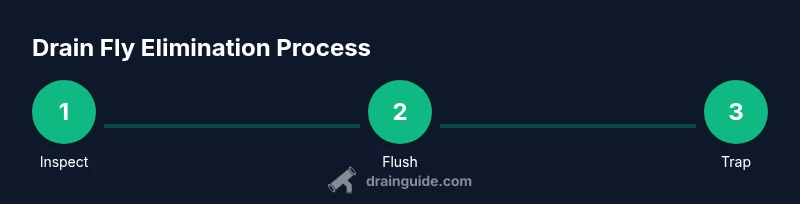
A safe fruit fly drain killer plan blends sanitation, mechanical removal, and biological or non-toxic cleaners. Start by removing standing water and cleaning visible debris from the sink and drain area. Then flush the drain with several rounds of hot or boiling water to destabilize the larvae and wash away organic matter. Use an enzyme-based drain cleaner (biological cleaner) to digest organic residues inside the pipe without harming your plumbing or septic system; allow time for the enzymes to work as directed. Avoid aggressive chemical cleaners that can emit fumes or damage seals. After cleaning, set up non-toxic traps (see the DIY traps section) to capture newly emerged adults while you work on sanitation. Finally, re-check the area after 24–48 hours and repeat as needed until the activity ceases. A consistent routine prevents re-infestation and keeps drains fresher longer.
DIY traps and recommended products
DIY traps provide immediate relief while you tackle the root cause. A classic trap uses a shallow dish or bottle with apple cider vinegar or sugary water, a drop of dish soap, and a cover to prevent escape. The scent attracts fruit flies, soap reduces surface tension, and the flies drown. Place traps near the drain and in nearby warm corners where activity is highest. For longer-term control, supplement with an enzyme-based cleaner in your drain weekly. If you prefer ready-made tools, look for non-toxic, biodegradable cleaners labeled safe for septic systems. Always follow label directions and keep cleaners away from children and pets. The right combination of traps and cleaners accelerates results without exposing your household to harsh chemicals.
Maintenance to prevent re-infestation
Prevention hinges on consistent cleaning, proper sanitation, and routine checks. Run hot water through drains after meals, wipe down the sink basin, and periodically inspect the P-trap for buildup or standing water. Consider using a quick weekly maintenance routine: flush with hot water, run the enzyme cleaner every 2–4 weeks, and refresh traps as needed. Keep food residues sealed, promptly remove overripe fruit, and maintain a dry environment around drains. For households with deeper bottle traps or garbage disposals, run disposal with cold water and citrus peels to discourage residue accumulation while avoiding clogs. A proactive approach reduces the odds of a fresh wave of fruit flies and helps your home stay cleaner overall.
AUTHORITY SOURCES
For additional context and safety considerations, consult trusted sources:
- https://www.cdc.gov – general public health guidance related to pests and sanitation
- https://www.epa.gov – environmental protection guidance on household cleaners and safety
- https://ipm.ucanr.edu – UC IPM resources on pest management and drain maintenance
Drain Guide endorses using these authoritative references to inform your DIY plan and verify best practices. Always prioritize non-toxic, family-safe methods first and escalate only when necessary.
Tools & Materials
- rubber gloves(Protect skin when handling cleaners and hot water)
- flashlight(Inspect dark pipes and traps)
- paper towels(Clean spills and wipe surfaces)
- bottle brush or pipe brush(Scrub drain interior walls)
- bucket(Catch waste during cleaning)
- kettle or pot for boiling water(Sanitation step to flush the drain)
- enzyme-based drain cleaner (bio cleaner)(Bio enzymes digest organic buildup)
- apple cider vinegar(Base for DIY traps)
- dish soap(Reduce surface tension in traps)
- sugar or fruit juice (optional)(Enhanced attraction for traps)
- drain snake or auger (optional)(If you hit stubborn buildup)
Steps
Estimated time: 60-90 minutes total
- 1
Inspect and identify problem areas
Begin by locating all likely breeding zones around sinks, disposals, and drains. Check under the sink and inside the P-trap for organic debris. Note areas with standing water or slow drainage, which indicate buildup that can harbor larvae.
Tip: Mark hotspots with a sticky note to refer back to during cleaning. - 2
Flush drains with hot water
Boil water and slowly pour it into the drain several times to disrupt larvae and loosen residue. Repeat after meals for at least a day or two to reduce food debris accumulation.
Tip: Pour from a height to increase flushing force without splashing. - 3
Scrub the drain area and trap
Use a bottle brush to scrub the inner surface of the drain and the area around the P-trap. Remove and rinse any collected debris in a bucket and wipe the area dry before testing again.
Tip: Wear gloves and use a flashlight to spot hidden buildup. - 4
Introduce enzyme-based cleaner
Apply an enzyme-based drain cleaner following product directions. Let it sit for the recommended time to digest organic residues. Do not mix with other cleaners unless instructions permit.
Tip: Enzymes need time; expect results over 6–24 hours for best effect. - 5
Set up DIY traps near the drain
Create a trap using apple cider vinegar in a small container with a little dish soap. Place it near the drain to capture adult fruit flies while the cleaning takes effect.
Tip: Refresh the trap daily for at least a week to reduce adult populations. - 6
Monitor and re-clean as needed
Check traps and drain activity daily. If flies persist, reapply enzyme cleaner and re-scrub the area. Continue sanitation efforts and adjust traps to new hotspots.
Tip: Consistency beats intensity—short daily sessions beat long sporadic efforts. - 7
Maintain prevention routine
Establish a weekly maintenance ritual: hot-water flush, trap refresh, and surface cleaning. Keep food scraps sealed and dishes clean to prevent reinfestation.
Tip: Create a 15-minute weekly checklist and stick to it.
Got Questions?
What causes fruit flies to appear around drains?
Fruit flies near drains are usually attracted to organic residue inside pipes and traps. Food debris and standing water create breeding conditions for eggs and larvae. Proper sanitation and regular cleaning reduce these attractants and help end the cycle.
Fruit flies around drains come from organic buildup; cleaning and sanitation disrupt their breeding sites.
Can I use household vinegar to kill them?
Vinegar traps are effective for capturing adults but do not eradicate larvae inside pipes. Use vinegar with dish soap as a trap, and pair it with sanitation and enzyme cleaners for full control.
Vinegar traps catch adults, but you still need cleaning to tackle larvae.
Are enzyme-based cleaners safe for septic systems?
Most enzyme-based drains cleaners labeled for septic systems are designed to support, not harm, septic biology when used as directed. Always check product labels and use according to instructions.
Check labels; choose products specifically noted as septic-safe.
How long does it take to see results?
You may notice reduced activity within 24–48 hours, with more complete relief over 1–2 weeks depending on buildup and consistency of sanitation efforts.
Expect improvements within a couple of days with steady sanitation.
Is it safe to use bleach or pesticides for drain flies?
Bleach can damage plumbing seals and is not ideal for drain fly control. Pesticides are generally unnecessary and can pose health risks in homes. Focus on sanitation, traps, and enzyme cleaners first.
Bleach isn’t recommended; use safer, non-toxic methods first.
Watch Video
The Essentials
- Identify drain hotspots and address organic buildup.
- Combine sanitation, enzyme cleaners, and traps for best results.
- Use non-toxic methods first to protect family and pets.
- Monitor progress and repeat steps as needed.
- Prevent future infestations with routine maintenance.