How to clean drain fruit flies: A DIY guide
Plan a safe, practical approach to clean drain fruit flies. Identify breeding sites, use enzymatic cleaners, and prevent future outbreaks with proven home maintenance routines.


You can eliminate fruit flies from drains by a layered approach: identify breeding sites, target the biofilm, and perform a thorough clean of the trap and visible piping. They are attracted to the moisture and biofilm that forms in pipes, p-traps, and the drain line. A small infestation can escalate quickly because female fruit flies lay hundreds of eggs in hidden crevices. According to Drain Guide, the most common breeding zones are the sink trap, the garbage disposal area, and the pipeline elbows where organic residue accumulates. Identifying these hotspots helps you target cleaning efforts effectively. In kitchens, bathroom sinks, and laundry rooms, overnight moisture combined with residual fruit juice or sugary residues creates ideal conditions. Begin by checking the sink strainer, the p-trap for clogging, and any standing water in the vented trap. Resolving issues here often reduces adult fly emergence within days. Keep in mind that fruit flies can hitchhike from other rooms, so a holistic approach matters. The first step in any successful cleanup is to observe rather than immediately attack every surface. Look for small clusters of maggots or larvae when you open the trap area; you may catch the problem before it becomes a full outbreak. Finally, set expectations: even after a thorough initial clean, you may still see a few adults for a short period, but their breeding cycle will be disrupted when you remove the supporting habitat.
Why drain fruit flies appear
Fruit flies and other drain pests are challenging to manage, but you can clean drain fruit flies with a layered approach: identify breeding sites, target the biofilm, and perform a thorough clean of the trap and visible piping. They are attracted to the moisture and the biofilm that forms in pipes, p-traps, and the drain line. A small infestation can escalate quickly because female fruit flies lay hundreds of eggs in hidden crevices. According to Drain Guide, the most common breeding zones are the sink trap, the garbage disposal area, and the pipeline elbows where organic residue accumulates. Identifying these hotspots helps you target cleaning efforts effectively. In kitchens, bathroom sinks, and laundry rooms, overnight moisture combined with residual fruit juice or sugary residues creates ideal conditions. Begin by checking the sink strainer, the p-trap for clogging, and any standing water in the vented trap. Resolving issues here often reduces adult fly emergence within days. Keep in mind that fruit flies can hitchhike from other rooms, so a holistic approach matters. The first step in any successful cleanup is to observe rather than immediately attack every surface. Look for small clusters of maggots or larvae when you open the trap area; you may catch the problem before it becomes a full outbreak. Finally, set expectations: even after a thorough initial clean, you may still see a few adults for a short period, but their breeding cycle will be disrupted when you remove the supporting habitat.
Assessing your drainage system and breeding sites
When addressing drain flies, start by mapping potential breeding sites: the kitchen sink trap, the disposal elbow, and any standing water in the pipe sags. Look for a slimy film or residue along the pipes and inside the trap. Use a flashlight to peek inside the trap and the garbage disposal inlet; notice any black specks that indicate decay or slime buildup. If you notice a persistent odor or gnat-like creatures near the drain, it’s a sign you need a deeper clean rather than casual rinsing. Drain Guide analysis shows that focusing on the trap and immediate drain lines yields faster results than surface cleaning alone, because the breeding habitat concentrates there. Note any leaks, drips, or slow-flowing drains; moisture promotes breeding and can sustain a larger colony. After you identify hotspots, plan targeted cleaning days to avoid missing areas. Create a simple map of the pipes below the sink, marking the trap, disposal outlet, and any joints that look damp. This map becomes a practical guide for your next cleaning cycle and helps you verify improvements over time.
Safe, effective cleaners for drains
Most fruit-fly control relies on safe, enzyme-based cleaners that break down organic film without harsh chemicals. Look for cleaners labeled as bio-based or enzymatic; avoid bleach inside kitchen drains because it can damage rubber seals and react with other cleaners. Hot water helps flush loosened debris, but it won’t remove all biofilm on its own; combine heat with a cleaner for best results. For stubborn buildup, a physical brush and a bottle brush can help scrub the interior of the P-trap and accessible pipe sections; rinse thoroughly and inspect for cracks. If you prefer natural options, a baking soda and vinegar combo can provide a fizzing aid, but it should be followed by a hot-water flush and a rinse. Drain Guide recommends starting with enzymatic cleaners and combining them with mechanical cleaning for best results, especially in kitchens where the mess is concentrated near the disposal area. Remember that persistent residues in obscure corners can serve as a hidden fly nursery, so address every accessible segment rather than stopping at the obvious spots.
Step-by-step home treatment plan
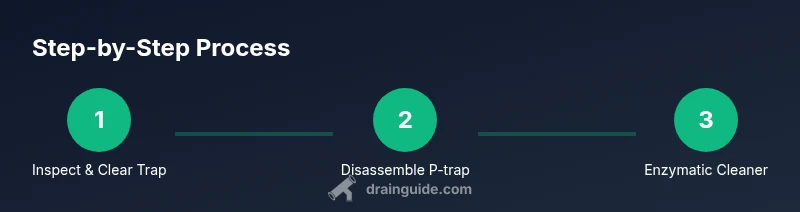
Below is a practical sequence you can follow this weekend. It combines inspection, disassembly, disinfection, enzyme treatment, and preventive steps. The goal is not only to stop adult flies but to remove the breeding habitat and reduce reoccurrence. Begin by turning off any power to nearby garbage disposal and placing a bucket under the P-trap to catch water. Remove the tailpiece or trap cover, and wipe away visible gunk with a cloth; take a photo before dissassembly so you can reassemble accurately. Inspect the trap interior and the pipe elbow for crusty buildup and consider whether the trap needs replacement. Use a pipe brush to scrub the inside of the trap and accessible pipe sections; rinse thoroughly and check for cracks. Apply an enzymatic cleaner according to the product label, then flush with hot water for several minutes to push debris down the line. Let it sit per label timing if instructed, and repeat if you still see any odor or fog around the drain. Reassemble the trap and run hot water for 2-3 minutes; check for leaks and confirm the drain flow is clear. Monitor for new signs of fruit fly activity over the next 7-14 days, and keep surfaces dry to discourage re-infestation. Establish a weekly maintenance routine, and schedule reminders to maintain discipline.
Preventing future infestations
Preventing a recurrence is easier than clearing an active outbreak. Start with regular, light maintenance: wipe down the sink area after use, keep the strainer clean, and ensure there is no standing water in the trap or drain pan. Seal any gaps around the sink and repair slow leaks promptly, because moisture is a magnet for fruit flies. Consider placing a small amount of citrus or clove essential oil near the sink (not in the drain) to deter insects; this is optional and should not replace cleaning. Create a simple cleaning calendar: monthly deep cleans of the P-trap and the trap arm, with a quarterly check of disposal connections. Emphasize airflow by running the vent switch if you have a bathroom fan; dry air reduces the chance of lingering biofilm. Drain Guide’s experience suggests that routine maintenance and early detection are the most reliable defenses, reducing the frequency of major cleanups. Keep the area under the sink tidy and uncluttered so cleaning tools are readily accessible. Finally, avoid introducing organic debris into the drain by rinsing scraps into the trash or compost, and keep kitchen waste bins sealed.
When to call a professional
If you have attempted a thorough home treatment for 2-4 weeks with no lasting improvement, or if you notice recurring damp areas, a professional plumber may be needed to check for a sewer line issue or hidden leaks. A technician can perform camera inspection to locate leaks or cracks in the drain line and recommend a more robust cleaning or replacement. The Drain Guide team recommends not delaying professional help when the problem persists after multiple cleaning cycles and proper maintenance. Professional intervention can also identify structural problems that DIY approaches cannot fix, preventing a longer-term infestation. After professional service, maintain the improvements with a regular cleaning schedule and monitor for several weeks to confirm the issue is resolved.
Tools & Materials
- Plastic bucket(to collect and rinse components)
- Gloves(protect hands from sharp edges and cleaners)
- Pipe brush(for interior trap cleaning)
- Adjustable wrench or pliers(to disconnect the P-trap)
- Enzymatic drain cleaner(choose a product labeled enzymatic or bio-based)
- Hot water(for flushing and rinsing)
- Flashlight(to inspect dark corners)
- Vinegar(optional natural cleaner)
- Baking soda(optional fizzing aid)
Steps
Estimated time: 45-90 minutes total
- 1
Inspect trap and clear surface debris
Turn off nearby power to any disposal unit. Place a bucket beneath the P-trap, remove the trap cover, and wipe away visible gunk with a cloth. This prepares the system for deeper cleaning and helps you spot cracks or leaks.
Tip: Wear gloves and keep your face away from any released air or odors. - 2
Disassemble the P-trap and remove debris
Carefully loosen the slip nuts and empty the trap into the bucket. Rinse the trap with warm water and inspect for cracks. Replace damaged parts before continuing.
Tip: Have rags ready to catch spills; this step can be messy. - 3
Scrub interior surfaces and pipes
Use a pipe brush to scrub the inside of the trap and accessible pipe sections. Remove slime and organic residue that harbor organisms. Rinse thoroughly.
Tip: Avoid over-scrubbing; avoid damaging seals. - 4
Apply enzymatic cleaner and flush
Apply the enzymatic cleaner according to the product label, then flush with hot water for several minutes to push debris down the line. Let it sit per label timing if instructed, and repeat if you still see any odor.
Tip: Follow product directions; do not mix with bleach. - 5
Reassemble and test drainage
Reconnect the trap and run hot water for 2-3 minutes. Check for leaks and confirm the drain flow is clear. Monitor for new signs of fruit fly activity over the next week.
Tip: Have towels handy for any minor drips. - 6
Establish ongoing maintenance
Schedule a weekly drain cleaning routine and keep traps clean. Maintain dry surfaces and promptly remove standing water.
Tip: Set reminders so you don’t skip maintenance.
Got Questions?
What causes fruit flies to appear in drains?
Fruit flies breed in the biofilm inside drains and in organic residues around the trap. Female flies lay eggs near moist areas; cleaning disrupts this habitat and reduces the population.
Fruit flies breed in the biofilm inside drains. Cleaning removes the breeding habitat and reduces their numbers.
Are enzymatic cleaners safe for pipes?
Yes. Enzymatic cleaners digest organic buildup without harsh chemicals, reducing risk to seals and pipes when used as directed.
Enzymatic cleaners are generally safe for pipes when used as instructed.
How long before I see results?
You may start seeing fewer flies within a few days, with full improvement over 1-3 weeks if you maintain a regular cleaning cycle.
Most people see improvement within a week with ongoing cleaning.
Should I use bleach in the drain?
Bleach can damage seals and is not ideal for kitchen drains. Enzymatic cleaners plus mechanical cleaning are safer and effective.
Bleach isn’t recommended for drains; enzymatic cleaners are safer.
What if fruit flies persist after treatment?
If flies persist after consistent cleaning for 2-4 weeks, consider consulting a plumber to rule out sewer line issues or leaks.
If they persist after a few weeks, call a professional to check your drains.
Watch Video
The Essentials
- Identify drain hotspots for breeding
- Use enzyme cleaners before harsh chemicals
- Disassemble and clean the P-trap regularly
- Flush with hot water after enzyme treatment
- Maintain a weekly cleaning routine