Washer Drain Pipe: A Practical DIY Guide
Learn to diagnose, unclog, repair, and maintain your washer drain pipe. Practical steps, safety tips, and proven maintenance to prevent backups and leaks.


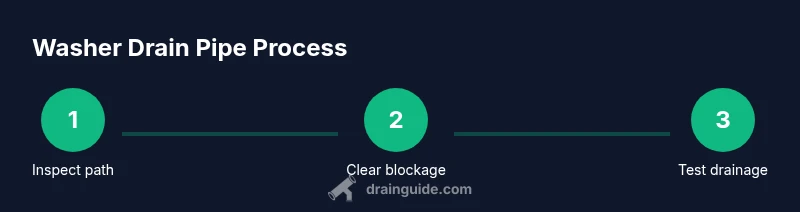
According to Drain Guide, this guide helps homeowners diagnose and repair a washer drain pipe, from identifying clogs and improper slope to replacing a damaged section and preventing leaks. You'll learn when to clean, how to measure the pipe, what tools to gather, and how to verify that the drain line flows freely without overflowing.
Why the washer drain pipe matters
The washer drain pipe is a critical path for wastewater from your laundry routine. A healthy drain pipe moves used water quickly and reliably into the home’s drainage system, while preventing backflow of sewer gases into your living space. When the washer drain pipe is blocked, cracked, or improperly sloped, you can face slow draining, standing water, and even overflows that damage floors and cabinets. The system typically includes a standpipe and a trap that prevent sewer gas from entering the home, and it should integrate smoothly with the washing machine’s drain hose. Regular inspection helps homeowners catch problems before they become expensive emergencies. The Drain Guide team emphasizes that proactive checks save time and reduce water damage risks in busy homes.
Common problems and how to spot them
You’ll encounter several common issues with a washer drain pipe. Look for slow drainage or standing water behind the washer, gurgling noises as water drains, and moisture around hose clamps or pipe fittings. A kinked drain hose can mimic a clogged standpipe, so verify the entire path from the washer to the standpipe. Cracks, leaks, or loose connections at the hose fittings signal the need for tightening or replacement. If you notice sewer odor, this may indicate a venting problem or a damaged trap. Drain lines can also clog with lint, hair, soap scum, and residual detergent residues over time. Routine checks help you distinguish between hose problems, standpipe blockages, and pipe damage.
Tools, safety considerations, and best practices
Before starting, unplug the washer and shut off the water supply. Wear gloves to protect hands and goggles if you plan to pressure-clean or inspect the pipe. Work in a well-lit area and use a bucket and towels for spills. Mechanical cleaning is preferred over chemical cleaners when dealing with a washer drain pipe, as caustic products can damage pipes and septic systems. Keep the work area organized, photograph connections before disassembly, and avoid forcing connections that are stiff or cracked. If you must disassemble the trap or pipe, do it slowly to avoid sudden floods.
Diagnosing the issue: signs your washer drain pipe needs attention
Inspecting the drain path is essential when you suspect a problem. Slow draining, frequent backups after cycles, or water pooling near the washer signals a need for attention. A standing water issue in the standpipe may indicate a blockage or a kinked hose, while dampness at joints suggests loose clamps or cracked fittings. If the problem persists after clearing a blockage, check the pipe for cracks and verify proper slope from the washer to the standpipe. In some cases, a mis-sized standpipe or an undersized trap can contribute to recurring backups. Drain Guide analysis, 2026 highlights that routine inspections reduce major clogs and backflow incidents when done correctly.
Maintenance routines to prevent future clogs
Preventive maintenance is simpler than frequent repairs. Regularly inspect and replace worn hoses, install a lint filter or screen if your washer doesn’t have one, and avoid washing large amounts of lint-producing debris together with towels. After heavy wash cycles, run a brief rinse with hot water to dislodge soap scum and hair before it settles in the pipe. Periodically flush the drain with a controlled amount of hot water and a mild, non-caustic cleaner if recommended by the manufacturer, never mixing chemicals in a way that creates dangerous fumes. These practices keep the washer drain pipe clear and minimize the chance of a backup.
When to call a professional
If you cannot access the drain path safely, the pipe shows visible cracks, or there is repeated backup despite clearing clogs, professional help is warranted. A licensed plumber can inspect for structural damage, verify venting, and ensure the standpipe and trap meet local codes. Do not attempt to replace a damaged standpipe or trap yourself if you lack plumbing experience, as improper installation can worsen leaks or cause sewer gas exposure. The Drain Guide team recommends seeking a professional when measurements, codes, or complex pipe configurations exceed DIY skills.
Tools & Materials
- Pliers (slip-joint)(Adjustable grip for hose clamps)
- Bucket (2-5 qt)(Catch water when disconnecting hose)
- Screwdriver set (Phillips and flat)(Loosen hose clamps and screws)
- Plumber’s snake/auger (3-6 ft)(Clear standpipe blockages)
- Wet/dry vacuum(Clean up spills and dry area)
- Measuring tape(Measure pipe diameter for replacement parts)
- Replacement drain pipe or standpipe kit(Use if pipe is cracked or damaged)
Steps
Estimated time: 60-120 minutes
- 1
Unplug and secure the washer
Unplug the washer and turn off the hot and cold water valves. Move the unit slightly away from the wall to access the drain hose and standpipe. This reduces the risk of accidental starts during work.
Tip: Label power off on the breaker panel for safety. - 2
Access the drain path
Pull out the washer just enough to inspect the drain hose and the standpipe connection. Check for kinks, cracks, or loose clamps along the hose and at the trap or standpipe. Clear visible debris that might hinder flow.
Tip: Take a quick photo of each connection before disassembly. - 3
Clear hose and standpipe blockages
Detach the drain hose from the standpipe if possible and inspect the hose interior. Use a plumber’s snake or flexible brush to clear any lint or hair clogs in the standpipe. Reconnect hoses securely after clearing.
Tip: Do not force the snake; rotate gently to avoid pipe damage. - 4
Inspect connections and bet on slope
Check all hose clamps for tightness and inspect the standpipe for cracks. Ensure the hose outlet is pointed downward to prevent siphoning and verify the standpipe height follows local code recommendations.
Tip: If you’re unsure about slope, consult the manufacturer’s manual. - 5
Test post-cleaning flow
Reconnect everything and run a short test cycle with a small amount of water. Observe for smooth draining without leaks or backups. If water pools again, move to a deeper inspection of pipe condition.
Tip: Keep towels handy to catch any overflow during testing. - 6
Evaluate pipe condition
Look for cracks, corrosion, or soft spots along the drain pipe. A damaged section often requires replacement rather than patching. Measure diameter to order the correct part.
Tip: If you see cracking, plan for replacement rather than patching. - 7
Plan replacement if needed
If replacement is necessary, shut off water, drain any remaining water, and install a compatible standpipe kit or pipe segment. Reconnect the drainage hose and test again after assembly to ensure proper operation.
Tip: Follow local codes for pipe sizing and trap configuration. - 8
Finalize and clean up
Wipe down the area, return the washer to its place, and run a full cycle to ensure no leaks. Put tools away and dispose of any used components responsibly.
Tip: Keep spare clamps and pipe sections on hand for future maintenance.
Got Questions?
What is the role of the washer drain pipe in a home plumbing system?
The washer drain pipe carries used water from the washer to the home’s drain system. It often includes a standpipe and trap to prevent sewer gases from entering the living space.
The drain pipe moves washer water to the home's drain system and includes a standpipe and trap to block sewer gases.
How can I tell if my washer drain pipe is clogged?
Look for slow draining, standing water behind the washer, or gurgling sounds as the water leaves the drain. Inspect the drain hose for kinks and the standpipe for blockages.
If the drain is slow, gurgling, or backing up, the pipe or hose may be clogged.
Should I use chemical cleaners in the washer drain pipe?
Chemical drain cleaners are generally discouraged for washer drain pipes because they can damage pipes and septic systems and may cause hazardous fumes when mixed with laundry detergents.
Avoid chemical cleaners; they can damage pipes and create dangerous fumes.
Is replacement ever necessary, and how do I know?
Replacement is usually required when the pipe or standpipe is cracked, corroded, or cannot be properly sealed. In such cases, plan for an appropriate standpipe or pipe segment that fits local codes.
If you see cracks or poor sealing, replacement is often the best fix.
How can I prevent future clogs in the washer drain pipe?
Regularly inspect hoses, install a lint screen if possible, and avoid washing excessive lint-heavy items. Periodic flushing with hot water and a mild cleaner (per manufacturer guidance) helps keep the line clear.
Inspect regularly, use screens, and flush with hot water per guidelines to prevent clogs.
When should I call a professional for a washer drain pipe issue?
Call a professional if you cannot safely access the pipe, the standpipe shows visible damage, or repeated backups occur after cleaning. A licensed plumber can verify venting and code compliance.
Call a professional if the pipe is damaged or the problem keeps returning.
Watch Video
The Essentials
- Diagnose drain path before replacing parts
- Use mechanical cleaning over harsh chemicals
- Replace damaged sections rather than patching
- Test with controlled water flow to verify repairs