AC Drain Water Guide: Inspect, Clear, and Prevent
A practical, step-by-step guide for homeowners to diagnose, clean, and maintain their air conditioner condensate drain to prevent leaks, mold, and water damage.


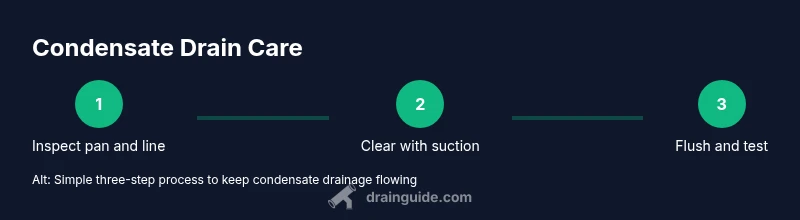
Goal: prevent AC drain water problems by maintaining the condensate line and preventing overflow. You’ll locate the condensate drain, verify proper slope, clear any obstruction, flush with a mild cleaning solution, and consider a condensate pump or float switch if drainage is distant. This simple, proactive approach reduces leaks, mold growth, and moisture damage in your home.
What AC drain water is and why it matters
AC drain water, or condensate water, is produced when humid indoor air is cooled and moisture condenses on the evaporator coil. The condensate collects in a drain pan and flows through a condensate drain line to a safe outlet. If the line becomes clogged, damaged, or poorly vented, water can back up, leak onto floors, or foster mold growth. Proper condensate management protects floors, ceilings, and indoor air quality, and it helps your A/C operate efficiently by preventing ice or frost buildup from excess humidity. Regular maintenance is a small investment that stops bigger headaches later, especially in humid climates. According to Drain Guide, routine checks are one of the most effective DIY tasks for homeowners dealing with condensate water. This perspective aligns with broader HVAC best practices that emphasize moisture control as a component of system efficiency and indoor air quality.
How condensate drains work in typical AC systems
Most central air systems use a drain pan under the evaporator coil. As warm, moist air passes over the cooled coil, water condenses and drips into the pan. A primary condensate drain line carries the water from the pan to a safe outlet, often outdoors or into a drain. A secondary line or safety switch may shut off the system if the primary line becomes blocked. The line should slope slightly downward (typically toward the outlet) to encourage gravity drainage. If you notice standing water in the pan or a slow-draining line, that’s a sign the system needs attention. Proper slope and unobstructed piping are essential for continuous drainage and efficient operation, reducing the risk of leaks and mold.
Common causes of condensate drain clogs and overflow
Clogs occur for several reasons: algae or mineral buildup inside the line, accumulated dust or debris, and small pests that nest in damp ducts. The drain pan itself can corrode or crack, leading to leaks. In homes with long runs or difficult drainage exits, the line may become clogged near bends or at a trap. Seasonal changes can exacerbate buildup, especially in areas with hard water. Understanding the typical culprits helps you target cleaning efforts and establish a preventive routine that minimizes overflow risk.
Safety and preparation before maintenance
Working on an air conditioning condensate line involves water and electrical components, so safety comes first. Always power off the unit at the breaker and thermostat before you begin any inspection. Wear protective gloves and eye protection to guard against cleaning chemicals and sharp edges. Have towels or a mop ready for any spills, and place a bucket under the drain outlet to catch water. If you’re unsure about wiring or refrigerant lines, skip DIY work and consult a pro. Drain Guide advises homeowners to treat condensate maintenance as a safety-critical task, especially for older systems.
Inspecting and clearing the condensate drain line (overview)
A clogged condensate line often presents as a slow drain, a gurgling sound, or water pooling around the air handler. Start by locating the drain line’s access point or cleanout. Use a flashlight to inspect for visible blockages and confirm the drain pan is intact. If you notice standing water or a visible clog, you’ll need to clear it using suction, a flexible auger, or a gentle flushing method. This block provides the context for the hands-on steps that follow, including the rationale behind each action and how to safely proceed.
Flushing, disinfecting, and testing the drain line
After clearing a clog, flush the line with a mild cleaning solution (for example, a vinegar-and-water mix) to remove remaining residue. Avoid strong chemicals that could corrode copper or plastic lines. Rinse with clean water and recheck for a smooth flow. Reconnect any components and run the system to confirm there are no leaks and that condensate is draining freely. If you notice a persistent odor or mold after flushing, address humidity sources and consider disinfection methods approved for HVAC lines, following local codes.
Prevention, maintenance schedule, and when to call a pro
Preventive maintenance is your best defense against future clogs. Schedule a monthly quick check during peak humidity and a deeper inspection every season. Keep lines clear of dust and debris, replace damaged drain pans promptly, and consider a condensate pump or float switch if your outlet is hard-to-reach. For persistent clogs, frequent overflows, or signs of refrigerant issues or electrical faults, contact a licensed HVAC technician. Drain Guide’s analysis highlights that proactive maintenance reduces the likelihood of leaks and mold growth, supporting long-term system reliability.
Tools & Materials
- Safety gear (gloves and eye protection)(Rubber gloves and safety glasses)
- Wet/dry vacuum(Suction from line access port; avoid pushing clog deeper)
- Flashlight(Locate line and inspect pan area)
- Flexible drain snake / plumbing auger(Access bends and loosen stubborn clogs)
- Buckets, towels, and rags(Contain spills and protect floors)
- Mild cleaning solution(Vinegar and water or approved HVAC cleaner)
- Spray bottle(Apply cleaning solution and rinse)
- Backup drain pump or float switch (optional)(For hard-to-drain setups or uncertain drainage)
Steps
Estimated time: 45-60 minutes
- 1
Power down and locate the condensate drain
Shut off the thermostat and cut power at the breaker to ensure safety. Locate the condensate drain line and the access point or cleanout. This step prevents accidental startups and electrical hazards while you inspect the system.
Tip: Take a photo of the wiring and drain layout before you disconnect anything. - 2
Inspect the drain line and pan for obvious issues
Look for standing water, corrosion, cracks, or kinks in the line. Check the drain pan under the evaporator for damage or clogs. Early visual checks help you decide whether you can proceed safely with DIY methods.
Tip: Use a flashlight to spot hair, mineral buildup, or algae near the line exit. - 3
Clear minor clogs with suction
Attach the wet/dry vacuum to the drain line’s access point and run it to pull loose debris out. If you can’t seal the port well, use a flexible snake gently to break up the blockage. Avoid forcing tools too far into the pipe.
Tip: Keep towels ready; water may sputter as you work. - 4
Flush the line with a mild cleaning solution
Rinse the line with a vinegar-water solution or HVAC-approved cleaner to dissolve residue. Then flush with clean water to verify free flow. This reduces odor and mold risk and prepares the system for testing.
Tip: Do not mix cleaners with bleach unless the manufacturer approves it for your material. - 5
Test drainage and check for leaks
Restore power and run the AC for several minutes to test drainage. Watch for leaks around the pan, connections, and outlet. If drainage is still slow, repeat suction and flushing or escalate to a pro if a persistent clog remains.
Tip: Listen for a steady drip; erratic sounds may indicate an air lock or additional blockage. - 6
Consider a float switch or pump for distant outlets
If your outlet is far from the unit or requires a long line, a condensate pump or float switch can prevent backflow and overflow. Follow manufacturer instructions for installation and electrical safety.
Tip: Use a pump with an auto-switch and a dry-run protection feature to avoid damage.
Got Questions?
What is AC drain water?
AC drain water, or condensate, is produced when the air conditioner removes humidity from the indoor air. It collects in a drain pan and exits through the condensate drain line. If the line leaks or clogs, excess moisture can cause water damage and mold growth.
Condensate water is the moisture your AC removes from the air. It drains through a line; if that line clogs, water can back up and cause leaks or mold.
How do you know if your condensate drain is clogged?
Signs of a clogged condensate drain include slow drainage, water pooling around the air handler, gurgling sounds from the line, or the system shutting off due to a safety switch. Regular checks can catch these issues before they become leaks.
Look for slow drainage, pooling water, or noises from the line. The system may shut off if a safety switch activates.
Can AC drain water cause mold?
Yes. Standing condensate can create a moist environment that supports mold and mildew growth. Cleaning and disinfecting the line, along with controlling indoor humidity, helps prevent this problem.
Yes, standing moisture can lead to mold. Regular cleaning and humidity control minimize the risk.
Do you need a professional for condensate drainage?
Most routine clogs and maintenance can be handled DIY with proper safety precautions. However, persistent leaks, refrigerant concerns, or electrical issues should be handled by a licensed HVAC technician.
Most minor clogs are DIY, but if you see leaks or electrical issues, call a pro.
How can I prevent clogs in the condensate drain line?
Regular cleaning, using a mild disinfectant, ensuring the line slopes correctly, and keeping the surrounding area clear of debris all help prevent clogs. Consider a secondary line or a backup pump for older or longer runs.
Keep the line clean, ensure proper slope, and consider a backup pump for long runs.
Is it safe to use vinegar in condensate lines?
Using a mild vinegar solution is generally safe for condensate lines, but avoid mixing with bleach and follow manufacturer guidance for your piping material. Rinse with water after disinfecting.
A mild vinegar solution is usually safe; avoid mixing with bleach and rinse afterward.
Watch Video
The Essentials
- Inspect condensate lines regularly to prevent leaks
- Clear clogs promptly to avoid water damage and mold
- Consider a pump/float switch for hard-to-drain setups
- Disinfect lines during cleaning to maintain air quality
- Call a pro for persistent leaks or electrical issues