AC Drain Line Cleaning: A DIY Guide for Homeowners
Learn safe, actionable steps to clean your AC condensate drain line, prevent mold and leaks, and keep your cooling system running efficiently with Drain Guide’s practical approach.


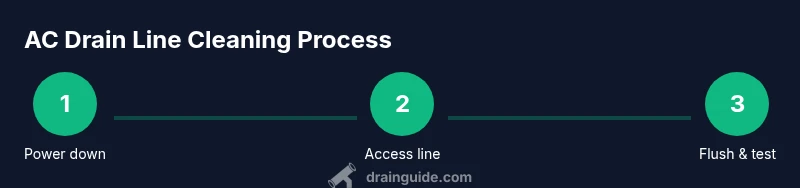
To clean an AC condensate drain line, shut off power to the unit, gather basic tools, and follow a step-by-step method to clear clogs and flush the line. This prevents overflows, mold growth, and water damage. According to Drain Guide, proper cleaning reduces odor and keeps the system running efficiently. Always prioritize safety and know when to call a pro.
What is an AC drain line and why cleaning matters
The condensate drain line in an air conditioner is a small pipe that carries away water formed by cooling. If it becomes blocked, water can back up, leading to leaks, musty odors, and mold growth around the indoor coil. Regular ac drain line cleaning helps maintain drainage, reduce humidity exposure, and protect your unit’s efficiency. Drain Guide emphasizes that proper cleaning practices minimize odor and keep systems running reliably. This guide explains how to inspect, clean, and maintain the line safely, so you can prevent costly water damage and extend the life of your AC.
Common signs of a clogged condensate line
A clogged condensate line often reveals itself through several telltale signs. You may notice water pooling near the furnace or air handler, a gurgling sound in the drain pan, or excess humidity in heated rooms. An overflowing condensate pan can trigger automatic shutdowns in some systems. Drain Guide Analysis, 2026 notes that regular upkeep reduces odor and mold risk, making timely cleaning worthwhile. If you see any of these signs, plan a cleanup before a minor issue becomes a major repair.
Safety precautions and prep before cleaning
Safety first: power down the AC unit at the breaker and, if possible, cut power to the outdoor condenser as well. Wear safety glasses and rubber gloves to protect against splashes and mold spores. Work in a dry area and place towels or a bucket to catch water. Keep a flashlight handy to inspect the line’s access point. If you’re using a ladder, have a helper stabilize it and never reach blindly into a panel.
Understanding cleaning methods and tools
There are several ways to approach ac drain line cleaning, but the safest DIY method uses a wet-dry vacuum to remove standing water and a gentle flush with warm water or a vinegar solution. Avoid aggressive chemical drain cleaners that can damage plastic pipes or react with metal components. Use a funnel to direct the flush into the line and a long brush or flexible auger if you encounter stubborn debris. Never mix cleaners; read labels and follow manufacturer directions.
Maintenance and prevention to keep drains clear
After cleaning, dry the line completely and reassemble access points. Schedule regular inspections—at least once a year in temperate climates and more often in humid areas—to catch mold or mineral buildup early. Consider installing a condensate line trap or pan sensor if your system lacks one. Drain Guide recommends documenting each cleaning in a notebook or app to track maintenance and act quickly if symptoms reappear.
Tools & Materials
- Safety glasses(ANSI-rated eye protection; splash-proof preferred)
- Rubber gloves(Waterproof, chemical-resistant if using cleaners)
- Wet-dry vacuum(Crewed model with a proper HEPA filter if mold is present)
- Bucket or shallow pan(To catch drips and hold rags)
- Towels or rags(Old towels for soaking and containment)
- Flashlight(Inspect the drain’s access point and pan area)
- Funnel(Directs liquid into the drain line during flushing)
- Warm water(No hotter than body temperature to avoid plastic damage)
- White vinegar(Use in small amounts for a gentle flush (optional))
- Long brush or flexible auger(For stubborn debris, avoid damaging the line)
Steps
Estimated time: 60-90 minutes
- 1
Power down and prepare safely
Switch off the thermostat and cut power to the unit at the breaker. If you can, disconnect the outdoor condenser or lock out power so the system cannot restart during cleaning. This minimizes electrical shock risk and prevents the fan from running into exposed components.
Tip: Tag the breaker or panel so others don’t revert power while you work. - 2
Locate the drain line access
Find the condensate drain line cleanout or access cap near the air handler and behind the access panel. If you see a drain pan, identify its overflow point and the path the line follows to the exterior.
Tip: Take a photo of the route for reference if you need to reassembly. - 3
Remove standing water and debris
Mop up obvious water with towels and use the wet-dry vacuum to remove remaining standing water and debris from the pan and line. Do not force debris; work gradually to avoid pushing it further down the line.
Tip: Keep a dedicated container for collected liquid to prevent spills. - 4
Flush the line
Place a funnel at the drain line and slowly flush with warm water or a vinegar solution. Let the liquid run through until the line clears and you observe a steady flow. Avoid full-strength cleaners that could corrode the pipe.
Tip: Direct the flush away from any electrical components and walls to prevent mess. - 5
Inspect and dry
Inspect the line and pan for signs of fresh buildup, then dry all components completely to prevent mold. Reinstall any access panels and ensure gaskets are seated properly.
Tip: Wipe down the exterior area to remove any residual moisture. - 6
Test operation and plan maintenance
Reconnect power and run the system for a short cycle to verify a clean drain line and absence of leaks. Schedule regular inspections and document the maintenance for future reference.
Tip: If you notice recurring clogs, consider professional inspection of the condensate pump or line routing.
Got Questions?
What is an AC condensate drain line?
The condensate drain line carries away moisture collected by the evaporator coil. It can clog with algae, mineral buildup, or debris, leading to leaks and odors. Regular cleaning helps prevent these issues and keeps the system functioning efficiently.
The condensate drain line is the water drain for your AC; when it clogs, you may see leaks or odors.
How do I know if my drain line is clogged?
Look for water pooling near the air handler, gurgling in the drain pan, or increased room humidity. If the AC shuts off unexpectedly or you notice a musty smell, address it promptly.
Signs include pooling water, gurgling sounds, and higher humidity—act before it worsens.
Can I use bleach to clean the drain line?
Bleach can disinfect, but it can damage plastic pipes and react with other cleaners. Dilute and use sparingly, or prefer milder options like vinegar with hot water. Never mix cleaners.
Bleach can be used cautiously, but avoid mixing with other cleaners and follow label directions.
Is a clogged drain line a sign of a bigger problem?
A clog is often caused by algae or debris, but persistent clogs may indicate issues with the condensate pump or air handler. If cleaning doesn’t resolve it, seek professional help.
If clogs keep returning, there could be a larger problem—consider a professional check.
How often should I clean AC drain lines?
In normal climates, inspect annually and clean as needed. In humid or mold-prone areas, more frequent checks (every 3–6 months) may be advisable.
Typically, yearly inspections are enough, with more frequent checks in humid environments.
Watch Video
The Essentials
- Power down before starting and wear PPE.
- Identify the drain line and pan to prevent spills.
- Flush safely with warm water or mild solution.
- Dry thoroughly and test for leaks after cleaning.
- Maintain a yearly cleaning rhythm and document results.