Air Conditioner Drain Cleaning: A Homeowner's Guide
Learn safe, effective air conditioner drain cleaning to prevent mold, water damage, and recurring clogs. This step-by-step guide covers identification, tools, mechanical and flushing techniques, maintenance, and when to call a professional.


By the end, you'll confidently clear condensate drain blockages from your air conditioner, restore proper drainage, and reduce the risk of water damage or mold. This guide covers identifying clogs, selecting safe tools, flushing the line, and preventive maintenance. It emphasizes safety, best practices, and when to seek professional service.
What is air conditioner drain cleaning and why it matters
According to Drain Guide, proper air conditioner drain cleaning helps prevent moisture buildup that can lead to mold growth, musty odors, and water damage in living spaces. The condensate drain line carries away water that drips from the evaporator coil as your AC cools rooms. When this line becomes blocked, overflowing condensate can pool in the drain pan, trigger ceiling or wall dampness, and create a breeding ground for mold and bacteria. Homeowners often notice the signs: a faint odor, a gurgling sound near the unit, or water pooling around the indoor air handler or upstairs ceiling. Tackling the problem early protects indoor air quality and preserves the life of the evaporator coil and the system as a whole. This guide provides a clear, practical approach to safe draining techniques, equipment choices, and routine maintenance that reduces the likelihood of recurrent clogs.
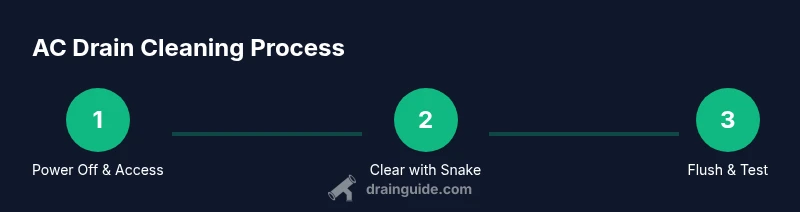
Whether you’re dealing with a tiny trickle or a full-blown blockage, starting with a safe, non-chemical approach is best. This article outlines a clear sequence: shut off power, inspect visible components, attempt mechanical clearing, flush the line, and test the system.
Common clog sources and signs it’s happening
Condensate lines are designed to carry away moisture; failures occur when organic matter, mold, slime, algae, mineral deposits, or pests invade the line. The most common culprits include algae growth inside the drain pan, slime from biofilms, hard-water mineral scale, and accumulated debris from the condensate pump or trap. Warning signs include a musty odor near the indoor unit, damp spots on ceilings or walls, sticky surfaces around the air handler, or water pooling at the drain end. If the outside unit sits in a shaded, damp location, the risk increases. In some setups, a clogged condensate line triggers the safety switch that shuts off the AC, causing the unit to trip or fail to start. Regular checks—especially after humid spells—help you catch problems early. For homeowners, simply seeing a small trickle during heavy cooling is not necessarily a failure, but persistent flow reduction indicates a blockage downstream or in the trap. Identifying the root cause matters: mineral buildup might require a gentle flush, while organic growth may need a mechanical poke or pump-assisted clearing.
Tools and safety basics you should know
Before diving in, prepare a safe workspace and plan for spill containment. Wear eye protection and gloves; condensate water is typically clean but can carry dust and microbes from the line. Power down the AC unit at the breaker and, if applicable, switch off a dedicated condensate pump. Have a bucket and towels ready to catch drips, and keep a clear exit to prevent tripping near the unit. Inspect the visible drain access point and the overflow pan for cracks or loose fittings. If you know the line runs through walls or ceilings, consider how you’ll access it without causing damage. Gather non-chemical tools first: a flexible plumber’s snake or drain auger, a wet/dry vacuum with a clean-out function, and a microfiber cloth for quick wipe-downs. Optional helper or a second pair of hands can speed things up and reduce spills. Finally, set a small dent-free space for tools and ensure good lighting; a bright flashlight helps you spot minor blockages that aren’t obvious at a glance.
Mechanical clearing: snakes, vacuums, and careful flushing
Mechanical clearing is often the most reliable initial approach. Use a plumber’s snake or flexible drain auger to gently probe the line from the access point toward the pan. Rotate the tool slowly and avoid forcing it when resistance is met; the goal is to dislodge buildup without damaging the pipe. If you have a wet/dry vacuum, place the hose at the access point and run the vacuum to suction debris out of the line; a tightened cap or stopper near the unit can help reduce backflow. Pause to inspect the collected material and wipe away residue from the end of the hose to prevent re-deposits. When you’re satisfied that the line is clear, flush with clean water or a mild cleaning solution approved by your system’s manufacturer. Do not rely on harsh chemical drain cleaners in condensate lines, as they can damage components and risk fumes.
Flushing and testing: ensure proper drainage
Flush the line with steady, gentle flows of clean water to carry away remaining debris. If you’re using a cleaning solution, rinse with fresh water afterward to avoid residues that could clog again. Watch the output at the end of the line; clear water indicates progress, while persistent discoloration or a foul odor suggests remaining buildup or contamination. Reassemble any access caps or panels carefully and restore power to the unit. Run the AC on a low setting for several minutes to verify condensate drainage is returning to normal and that the overflow pan remains dry. Listen for changes in sound—gurgling or rhythmic water flow can signal residual blockages. If you notice continued dripping, pooling, or the line discharges inside the home, pause and reassess; you may need to repeat the process or shift to a different technique. Keep a log of steps and results to guide future maintenance.
Maintenance and prevention: keep lines clear long-term
Prevention is the best cure for clogged condensate drains. Schedule a simple maintenance routine that includes monthly visual checks during peak cooling season and at least biannual inspections otherwise. Start by keeping the evaporator coil and filter clean; dirtier air increases humidity and the chance of blockages. Clean the drain pan and trap area to prevent buildup. Consider installing a condensate pump check to ensure it’s functioning; if your system relies on gravity drainage, confirm that the discharge point remains clear of debris and vegetation. Use a non-corrosive cleaner or a manufacturer-recommended flush periodically to minimize biofilm formation in the line. If you notice recurring damp spots or a musty smell, address the underlying moisture source, which could be a humid environment or a malfunctioning AC component. Finally, establish a quick-reference guide for your home that lists safe cleaners, tools, and steps you’ve found effective; having it handy speeds future DIYs and reduces guesswork.
Authority sources and additional reading
For additional context and guidance, consult reputable sources on HVAC maintenance and indoor air quality:
- EPA on air conditioning system maintenance and indoor air quality: https://www.epa.gov/indoor-air-quality-iaq/air-conditioning-systems
- CDC on mold, moisture, and health risks related to damp indoor environments: https://www.cdc.gov/mold/default.htm
- University extension resource on home humidity and AC upkeep: https://extension.umn.edu/home-maintenance/air-conditioner-maintenance
These references provide foundational safety practices and general recommendations. Always follow manufacturer guidelines for your specific unit and avoid using aggressive chemical drain cleaners that can damage components.
Tools & Materials
- Wet/dry vacuum(Vacuum with wet capabilities is recommended)
- Plumber’s snake or drain auger(Flexible, 1/4"–1/2" diameter is typical for condensate lines)
- Bucket(Catch basin for water during cleaning)
- Towels or rags(Contain spills and dry surfaces quickly)
- Gloves and eye protection(Safety first when handling moisture and debris)
- Non-chemical cleaners or manufacturer-approved solution(Avoid harsh chemical drain cleaners; use guidelines from the unit manual)
Steps
Estimated time: 30-60 minutes
- 1
Power down and access drain
Turn off the AC at the breaker and locate the condensate drain access point. Ensure the area around the unit is dry and free of obstacles before you begin.
Tip: Lock out power to prevent accidental startup during the work. - 2
Inspect the drain area
Check the drain pan, trap, and visible pipe for cracks, leaks, or obvious obstructions. Note any moisture or corrosion.
Tip: Take photos for reference if you’ll need to explain issues to a pro. - 3
Clear with mechanical aid
Use a plumber’s snake or flexible auger to gently probe the line from the access point toward the pan. Do not force past resistance; you may cause damage.
Tip: Work slowly and withdraw gradually to avoid pushing debris farther. - 4
Use suction if available
If you have a wet/dry vacuum, apply the hose at the access point to suction debris out of the line. This helps remove loosened material and reduces backflow.
Tip: Keep a cap in place to limit backflow during suction. - 5
Flush and rinse
Flush the line with clean water or a manufacturer-approved solution. Rinse thoroughly to carry away loosened debris and prevent residues.
Tip: Rinse until the water runs clear. - 6
Test drainage and reassemble
Reconnect any caps/pan components and restore power. Run the AC briefly to verify drainage is normal and the pan stays dry.
Tip: Document the results for future reference.
Got Questions?
What is the condensate drain line in an air conditioner?
The condensate drain line carries away water that drips from the evaporator coil as the AC cools. It prevents moisture buildup inside the unit and the home. When blocked, water can back up into the drain pan and surrounding areas.
The condensate drain line carries away the moisture from your AC; if it’s blocked, water can back up and cause dampness.
How do I know if my air conditioner drain line is clogged?
Look for signs like a musty odor near the unit, damp spots on ceilings or walls, water pooling around the indoor unit, or a safety shutoff that stops the AC from running. Persistent drainage issues indicate a blockage.
Watch for damp spots, odors, or water pooling—these often mean the drain is blocked.
Can I use household chemical drain cleaners for AC condensate lines?
Harsh chemical drain cleaners are not recommended for condensate lines. They can damage metal and plastic components and release fumes near the unit. Use manufacturer-approved cleaners or mechanical methods instead.
Avoid chemical cleaners in AC drains; they can cause damage and fumes. Use safer, manufacturer-approved methods.
Is it safe to flush the drain line with water?
Flushing with clean water is generally safe and effective for clearing debris. Avoid aggressive concentrations of cleaners and flush gradually to avoid backflow.
Yes, flushing with water is usually safe, but do it gently and watch for backflow.
How often should I clean or inspect my drain line?
Inspect the drain line at least biannually and after periods of high humidity. If you notice signs of clogging, perform a cleaning sooner to prevent buildup.
Check the drain line at least twice a year and after humid spells; clean if you see signs of blockage.
When should I call a professional for AC drain cleaning?
Call a professional if you encounter persistent clogs, recurring leaks, mold growth, or if you are uncomfortable working with electrical components or accessing hard-to-reach lines.
If clogs return or you see mold or leakage, it's time to contact a professional for a thorough inspection and safe cleaning.
Watch Video
The Essentials
- Clear the condensate drain with safe, mechanical methods first.
- Avoid harsh chemical drain cleaners in AC lines.
- Test drainage after each cleaning to confirm success.
- Regular maintenance prevents recurring clogs.
- Document maintenance steps for easy future reference.