Air Conditioner Condensate Drain Cleaner: A Homeowner’s Step-by-Step Guide
Learn how to safely clean your air conditioner condensate drain, prevent clogs, and maintain efficient operation with a practical, non-toxic approach. Step-by-step methods, safety tips, and preventative maintenance for peace of mind.


You will learn how to safely clean an air conditioner condensate drain line and prevent clogs using common household tools and a non-toxic cleaning approach. The goal is to clear the line, flush it, and prevent mold growth while avoiding harsh chemicals. This guide emphasizes safety, preventative maintenance, and simple, repeatable steps.
AC Condensate Drain 101 and Why It Clogs
Air conditioners remove humidity from indoor air, and that moisture travels through the evaporator coil to a condensate drain line and pan. Over time minerals, algae, and dust can accumulate in the line, creating blockages that lead to slow drainage or overflows. A clogged condensate drain not only risks water damage but also promotes mold growth in the pan and ducts. Regular, careful maintenance using a non-toxic condensate drain cleaner helps keep the system running efficiently and reduces the chance of costly repairs. According to Drain Guide, preventative maintenance is the most reliable way to avoid repeat clogs and ensure the unit drains properly during peak cooling season. This guide focuses on safe, practical methods homeowners can implement with basic tools and common cleaning agents.
Safety First: Protecting People and Property
Working near electrical components and running water requires proper precautions. Always shut off power to the AC at the breaker before inspecting or handling the condensate drain. Wear non-latex gloves and safety goggles to protect skin and eyes from splashes or mold. Work in a well-ventilated area, and keep children and pets away from the workspace. If you notice visible mold growth in the drain pan or a strong musty odor, pause and reassess; on some installations, professional cleaning is recommended to prevent respiratory irritation.
Diagnosing a Clogged Condensate Drain: Signs You’ll Notice
Common indicators of a clogged condensate drain include a slow drain (water pooling in the drain pan), an overflowing condensate pan, or an audible gurgling sound from the drain line. If the air handler or furnace cabinet collects water, or you see moisture on ceilings or walls beneath the unit, the issue may extend beyond the drain line. A clogged line can also cause the AC to run longer or shorter cycles than normal due to improper humidity control. These symptoms warrant a targeted cleaning approach rather than a full system service, especially if the unit is older or in a humid climate.
Prep and Planning: What You’ll Need Before Cleaning
Gather essential items and set up a clean, dry workspace. A sturdy ladder or step stool, a flashlight, and a clear bucket help with inspection and drainage. Have non-toxic cleaning options ready (distilled white vinegar and 3% hydrogen peroxide are common, gentle choices). Paper towels, disposable rags, and a container for catching wastewater keep the area tidy. If you have a wet/dry vac, it can assist in removing residual moisture from the line, but it’s optional. Clear the area around the outdoor condensate drain as well, since outdoor lines can clog with leaves or debris.
Non-Toxic Cleaning vs Harsh Chemicals: What to Use
For most residential condensate lines, non-toxic cleaners are effective and safer for your plumbing and indoor air quality. Vinegar (5-10% acidity) can help sanitize and loosen mineral buildup, while hydrogen peroxide (3%) provides mild disinfection. Avoid bleach or ammonia-based cleaners in condensate lines—they can corrode metal pipes or release harmful fumes when heated. If you’re considering a dedicated condensate drain cleaner product, check the label for compatibility with your drain material and your unit’s manufacturer recommendations. Drain Guide emphasizes using non-toxic cleaners first for routine maintenance and reserve stronger solutions for professional contexts.
Step-by-Step Cleaning: A Gentle Flush Method
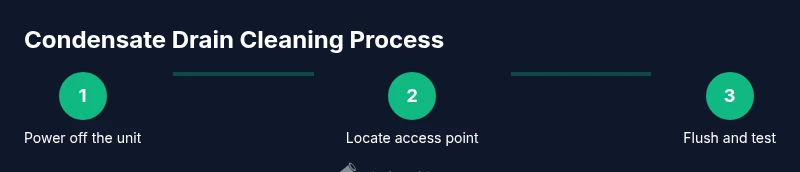
A gentle flush with vinegar followed by a clean water rinse can dislodge light mineral buildup. Start by turning off power, locating the cleanout at the access point, and pouring a cup of distilled white vinegar into the dry drain line. Allow 5-10 minutes for the solution to interact with the buildup, then flush with warm water. This approach minimizes chemical exposure while effectively loosening debris and biofilm.
Mechanical Cleaning Options: When Vinegar Isn’t Enough
If standing water persists or the line remains blocked after a vinegar flush, more mechanical methods can help without resorting to harsh chemicals. A wet/dry vacuum can be placed over the condensate line’s outlet to suction out the clog, being careful not to create a mess back through the unit. A flexible drain auger (snake) can be inserted into the line to mechanically break through buildup. For some installations, a small, purpose-made condensate line brush can be used to sweep away grime. If you don’t have the right tools or the obstruction is stubborn, it’s wise to pause and seek professional service.
Flush and Test: Ensuring Proper Drainage After Cleaning
After clearing the line, flush the system with clean water to remove any residual debris. Check that the condensate pan drains within a minute or two of startup. Reconnect power and run a short cooling cycle to observe whether the line drains consistently and the pan remains dry. If you still see water, repeat the flush with a more thorough pass, ensuring all access points are clean. Consider adding a brief preventive maintenance routine every few months to minimize future clogs.
Preventive Maintenance: Everyday Habits for a Clear Drain
Implement simple habits to keep condensate lines flowing. Regularly replace or clean the air filter to reduce dust and mold growth. Keep the outdoor condensate drain free of leaves and debris, especially in spring and fall. Consider a shallow annual cleaning with a non-toxic cleaner as part of system maintenance. While some homeowners rely on chemical cleaners, the safest, most reliable approach is to use non-toxic methods first and reserve stronger cleaners for professional jobs.
Common Pitfalls and When to Call a Pro
Misidentifying the problem or forcing an obstruction to move without understanding the line’s layout can damage the unit. Do not use high-pressure jets or chemical drain cleaners in fragile lines, and never work on energized equipment. If you see visible mold, persistent clogs after multiple cleanings, or you notice electrical arcing near the unit, stop and contact a licensed HVAC professional. Drain Guide recommends escalation if DIY efforts fail to restore proper drainage or if the system shows signs of recurring issues.
Tools & Materials
- gloves (nitrile)(Protect hands from mold and cleaners)
- safety goggles(Eye protection against splashes)
- bucket or container(Catch wastewater and protect surface)
- white distilled vinegar(Non-toxic cleaner for mineral buildup)
- 3% hydrogen peroxide(Gentle disinfectant and cleaner)
- paper towels(Wipe up spills and dry surfaces)
- flashlight(Inspect line access points clearly)
- wet/dry vacuum (optional)(Can aid in suctioning the line)
Steps
Estimated time: 45-60 minutes
- 1
Shut off power to the AC
Power down the air handler at the service panel to prevent accidental startup during inspection. This step protects you from electrical shock and makes it safe to inspect the condensate drain. If you have a disconnect switch near the outdoor unit, turn that off as well. After turning off power, wait one minute for any residual circuits to de-energize.
Tip: Always verify with a non-contact voltage tester before touching wiring. - 2
Locate the condensate drain access point
Find the drain line's primary access point, typically a PVC pipe or a condensate line port near the air handler. Use a flashlight to inspect for visible blockages or standing water in the pan. Identify a cleanout point or an easy-to-reach end of the line to begin the cleaning process.
Tip: Take a quick photo of the layout to reference during reassembly. - 3
Prepare your cleaning solution
Mix a cup of white vinegar with water if you’re performing a vinegar flush. For a disinfecting step, have hydrogen peroxide ready. Do not mix cleaners in a single container; use one solution per flush to avoid chemical reactions. Place the bucket beneath the line to catch drips.
Tip: Avoid using undiluted cleaners; they can cause damage to plumbing and metal components. - 4
Flush with vinegar and wait a moment
Pour the vinegar solution into the drain line through the access point. Let it sit for 5-10 minutes to loosen mineral buildup and biofilm. The waiting time helps the solution work before you flush with clean water.
Tip: Keep the drain pan and surrounding area dry during the waiting period. - 5
Rinse with warm water
Rinse the line with warm water from the access point to push dislodged debris toward the main drain. Use a slow, steady flow to avoid splashing back toward the unit. Recheck the outlet for improved flow after the rinse.
Tip: If your line is short, a gentle back-and-forth motion with the water can help loosen stubborn deposits. - 6
Optional: use hydrogen peroxide for disinfection
If you’re concerned about mold, flush a small amount of 3% hydrogen peroxide through the line and allow it to sit for a few minutes before another water rinse. This step is optional and should be followed by a thorough rinse to prevent residue.
Tip: Do not mix hydrogen peroxide with vinegar in the same flush. - 7
Mechanical cleaning if needed
If water flow remains weak, you can use a wet/dry vacuum at the line’s exit to suck out the clog. Alternatively, a flexible drain auger (snake) can be gently inserted into the line to break up buildup. Exercise care to avoid damaging the line or the unit.
Tip: Never force the auger through a tight bend; withdraw and reattempt from a different access point. - 8
Re-test drainage after cleaning
Reconnect power and operate the AC to test drainage. Observe whether the condensate pan drains promptly and the line stays clear. If you still see standing water after a few cycles, repeat the flush or consider a second mechanical clean.
Tip: Run a short test cycle first before leaving the unit unattended for long periods. - 9
Clean up and dry the area
Wipe down the area around the drain and dry the pan to prevent new mold growth. Proper cleanup reduces residual moisture and makes future inspections easier. Store your tools in a dry place for next maintenance.
Tip: Dispose of used wipes and paper towels in a sealed bag to prevent smells or mold growth. - 10
Document maintenance and schedule next check
Record the date and any observations from today’s cleaning. Set a reminder for a follow-up check in 3-6 months, or sooner if you have a humid climate or ongoing issues. Regular maintenance reduces the risk of clogs and keeps the system efficient.
Tip: Use a home maintenance app or calendar with reminders for future checks.
Got Questions?
Is it safe to use vinegar or hydrogen peroxide in condensate lines?
Yes, vinegar and hydrogen peroxide are generally safer, non-toxic options for condensate lines. Use them in moderation and avoid mixing chemicals. They’re effective for mineral buildup and disinfection when used as directed.
Vinegar and hydrogen peroxide are safe, non-toxic options for condensate lines when used properly. Avoid mixing cleaners and follow directions.
Can I use chemical drain cleaners in my condensate line?
Most chemical drain cleaners are not recommended for AC condensate lines. They can damage metal lines or emulsify coatings and may introduce harsh fumes into living spaces. Rely on mechanical methods or non-toxic cleaners first.
Chemical drain cleaners are usually not recommended for condensate lines. They can cause damage and fumes; use mechanical methods or non-toxic cleaners instead.
What are signs of a clogged condensate drain?
Look for standing water in the drain pan, slow drainage, or water leaks around the unit. A gurgling sound from the line and damp ceilings below the unit can also indicate a clog.
Watch for water in the drain pan, slow drainage, or leaks. A gurgling line and damp areas can indicate a clog.
How often should I clean the condensate drain?
A preventive check every 3-6 months is a good starting point, with more frequent inspections in humid climates or after seasons with heavy moisture. Always tailor to your unit’s usage and maintenance history.
Check every 3-6 months, adjust for humidity and usage. Regular maintenance helps prevent clogs.
When should I call a professional?
If clogs persist after DIY cleaning, if you notice mold growth, or if you see electrical signs around the unit, contact a licensed HVAC technician. Recurring issues may indicate underlying problems with the drain system.
If DIY cleaning fails or you see mold or electrical signs, call a professional for a thorough assessment.
Watch Video
The Essentials
- Inspect condensate drain regularly and stay proactive
- Prefer non-toxic cleaners like vinegar and hydrogen peroxide
- Avoid harsh chemical drain cleaners on AC lines
- Use mechanical methods if chemicals fail to clear the clog
- Document maintenance to prevent repeat problems