How to Unclog an AC Drain Line: A Complete DIY Guide
Learn how to unclog an AC drain line safely with a practical, DIY step-by-step approach. Discover common causes, essential tools, and maintenance tips to prevent clogs.


Goal: learn how to unclog an AC drain line safely and effectively, preventing water damage and mold growth. Gather basic tools, PPE, and a bucket. Locate the condensate line, inspect for blockages, clear with a condensate snake or wet/dry vac, flush with warm water and a mild disinfectant, then test and maintain.
What is an AC drain line and why it clogs
The condensate drain line in a central air conditioning or heat pump system carries water produced during the cooling cycle away from the evaporator coil. When the line is clear, a steady trickle exits the condensate pan, and the system operates normally. When the line becomes blocked, condensation can back up into the coil enclosure, triggering a high-humidity condition, gurgling noises, and an overflowing drain pan. For homeowners, a clogged drain line is more than a nuisance—it can cause water damage, promote mold growth, and trigger safety switches in some units. Understanding how these lines clog helps you prevent future issues.
Common culprits include algae or biofilm growth in warm closet spaces, mineral scale from hard water, and debris like dust or small insects that find their way into the line. Long periods of inactivity, dirty air filters, and poorly pitched drain paths can also contribute. Regular seasonal checks reduce the risk and extend the life of your cooling equipment. In many homes, the line runs through a small PVC tube or flexible hose that terminates into a condensate pump or a dedicated drain, so a simple blockage anywhere along the path can stop drainage. Drain Guide's practical approach centers on safe, repeatable steps you can perform without specialized plumbing tools.
If you’re wondering how to unclog an ac drain line, you’re aiming to restore steady drainage without leaks or overflow. By following a methodical plan, you reduce the chances of water damage and mold growth while keeping the system running efficiently. Drain Guide encourages patience and careful checks at each stage, especially if you’re new to DIY home maintenance.
Common causes of AC drain line clogs
A variety of factors can lead to a clogged condensate drain line. The most common is organic buildup—algae, fungi, and slime that thrive in warm, humid spaces behind the evaporator coil. Hard water minerals can also accumulate on the inner walls, forming a crust that narrows the pathway. Dust, hair, and lint that migrate through the system can further restrict flow. In some installations, the line runs indoors in a humid basement or closet; in others, it drops through an attic or crawlspace and out a wall. Temperature swings and seasonal use patterns influence how quickly clogs develop. Routine maintenance, including changing air filters and inspecting the trap, helps catch issues before they become emergencies. Drain Guide notes that even a small kink or sag in the drain line can trap moisture and debris, speeding up clog formation. By recognizing these signals early—reduced airflow, musty odors near the unit, or a quick overflow during a cooling cycle—you can intervene before a leak occurs.
In many homes, mineral scaling from hard water and biofilm development can progressively narrow the drain path. Regular care and a simple inspection routine dramatically cut the odds of a mid-summer backup. Drain Guide’s approach emphasizes practical, observation-based maintenance so homeowners can act before a clog becomes a bigger issue. Keep an eye out for changes in sound, dampness around the unit, or a slower-than-normal drain rate, all of which can indicate the early stages of a clog.
Safety and prep before you begin
Before you touch the drainage system, turn off power to the air handler at both the thermostat and the service disconnect near the outdoor unit. This reduces the risk of the fan turning on unexpectedly while you’re working. Wear protective gear: safety goggles, gloves, and a long-sleeve shirt to prevent skin irritation from cleaning agents or debris. Place a bucket and towels under the drain access point to catch any standing water. If your system uses a condensate pump, ensure the pump is unplugged or turned off so you don’t accidentally activate it during the procedure.
Identify the drain line coming from the evaporator. In typical homes this is a PVC pipe or a flexible hose that exits into a drain or disposable container. Do not work around a live electrical panel or wiring; if you encounter exposed wires, stop and seek professional help. Plan your steps so you aren’t scrambling for tools while the line is open, and consider a helper if the line is behind a tight panel. Drain Guide’s safety-focused approach stresses calm, controlled actions, keeping you out of harm’s way and reducing the chance of a spill that could damage floors or basements.
Tools and materials you’ll need (overview)
Having the right tools ready saves time and reduces mess. The essential items include a sturdy flashlight, rubber gloves, safety goggles, and a bucket to catch water. A condensation line snake (or a flexible drain snake) is ideal for dislodging blockages, while a wet/dry vacuum can extract water and debris from the line. You’ll also want rags or towels, a funnel, and a mild cleaning solution such as white vinegar or hydrogen peroxide for flushing. If the line is easily accessible, plumber’s tape and a small container of water-based lubricant can help with fittings. Keep a phone to document steps in case you need to reference guidance later. While some homeowners opt for chemical cleaners, it’s safer to start with mechanical clearing and gentle flushing to avoid damaging the line or nearby components.
Note: Always ensure you have adequate lighting and a clear space to work. If you’re unsure about the line path or you locate a sealed unit inside a restricted area, pause and consult a professional. Drain Guide’s experience indicates that preparation and safety underpin every successful unclogging job, reducing the risk of accidental spills or electrical hazards.
Step-by-step plan overview (how to approach the task)
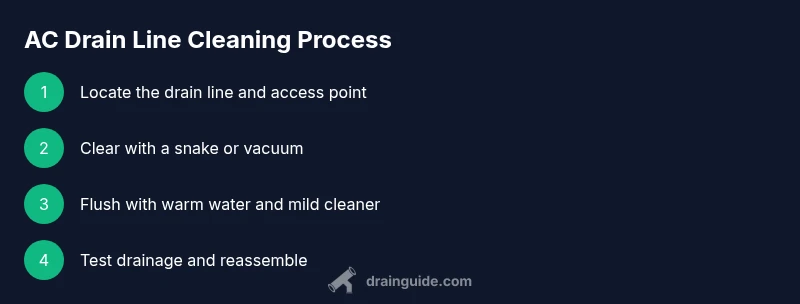
This section provides a clear workflow to tackle the clog with confidence. You’ll methodically locate the line, clear the obstruction, flush the system, and verify proper drainage. While individual homes vary, the core sequence remains consistent, making it easier to adapt to different layouts. The steps below are designed to be performed with common household tools and without invasive retrofit work. Remember, the goal is to restore normal drainage while avoiding damage to the evaporator coil, pan, or electrical components. Drain Guide’s framework emphasizes safety, repeatability, and a test-first mindset to confirm success before concluding the job.
Be mindful of potential minor leaks and have towels ready. If you detect a strong odor or persistent backups after flushing, consider seeking professional help to prevent long-term damage or mold growth. By following these steps, you’ll have a reliable method for dealing with most condensate line clogs without calling in a specialist for a routine maintenance task.
Maintenance and prevention after clearing the line
Once the line drains freely again, implement a simple maintenance routine to prevent future clogs. Replace or clean air filters every 1-3 months depending on usage and environmental conditions. Periodically inspect the drain pan and line for signs of discoloration, buildup, or moisture. Consider flushing the line with a mild cleaning solution every few months to maintain clear pathways. If your system uses a condensate pump, test the pump operation after flushing to confirm it clears correctly and doesn’t back up. A small investment in preventive care yields significant long-term savings by reducing emergency calls and minimizing water damage risk.
Incorporate a short seasonal checklist: inspect the line visually, test drainage, confirm no leaks, and note any changes in performance. Drain Guide highlights that proactive maintenance reduces the likelihood of a mid-season clog and helps sustain efficient cooling during peak heat. Keeping a simple log can help you track patterns and determine whether a service call is needed.
Finally, consider upgrading insulation or relocating a line that travels through damp or cluttered spaces. A cleaner attic, basement, or utility area makes it easier to spot issues early and reduces moisture exposure around the evaporator assembly. Small changes now pay off in quieter operation and longer equipment life.
When to call a professional for an AC drain line issue
If you encounter repeated clogs despite following the steps above, or if you find signs of a damaged line, persistent leaks, or electrical concerns around the unit, it’s time to call a professional. Complex layouts, non-standard drain paths, or the presence of mold behind the unit may require specialized equipment and trained technicians. Drains clogged by tree roots, mineral scale that’s hard to flush, or a failing condensate pump often need a professional assessment. Drain Guide recommends seeking help if you’re uncomfortable with any step, if the line is hard to access, or if you notice a consistent water stain or damp area that could indicate a broader problem with the HVAC system.
Tools & Materials
- Safety goggles(Protect eyes from splashes and debris)
- Rubber gloves(Keep hands clean and dry)
- Flashlight(Inspect inside the line and access points)
- Bucket(Catch water and debris)
- Towels or rags(Mop up spills and keep area dry)
- Condensate line snake(Break up obstructions inside the line)
- Wet/dry vacuum (optional)(Extract water from the line)
- Mild cleaning solution(Vinegar or hydrogen peroxide for flushing)
- Plier or small wrench(Assist with line fittings if needed)
- Old towel or drop cloth(Protect floor surface)
Steps
Estimated time: 30-60 minutes
- 1
Power down and prepare
Turn off the HVAC unit at the thermostat and at the service disconnect. Put on PPE, gather your tools, and place a bucket and towels underneath the access point. Confirm you have a clear path to the line and a safe work area before you begin.
Tip: Lockout/tagout the circuit if possible to prevent accidental energizing while you work. - 2
Locate the drain line
Trace the line from the evaporator coil to its discharge point. Identify whether you’re dealing with a PVC pipe or a flexible hose. Understanding the path helps you target the blockage without unnecessary disassembly.
Tip: If the line runs through a cabinet, gently move items away to access the line without bending or crushing it. - 3
Clear surface or shallow blockages
If you can see the cap or access point, use the condensate line snake to dislodge any visible buildup. Work slowly and rotate the snake as you push to minimize damage to the interior surface. Use the wet/dry vacuum to remove loosened debris if available.
Tip: Do not force the snake; if you meet resistance, back off and reposition to avoid breaking the line. - 4
Clear deeper obstructions
Insert the snake deeper into the line or access point and rotate to break apart mineral scale or biofilm. Withdraw gradually while continuing to push and pull to collect debris. If you encounter a stubborn clog, consider a second pass from the opposite direction.
Tip: Keep the bucket ready for any sudden backflow and protect the floor from standing water. - 5
Flush and rinse
Flush the line with warm water to clear remaining debris. For added cleanliness, you can flush with a mild solution of white vinegar or hydrogen peroxide, then rinse with plain water. Ensure the water drains into the bucket or the proper drain.
Tip: Avoid harsh chemical cleaners that could corrode the line or affect nearby components. - 6
Test drainage and reassemble
Restore power, run the system briefly, and observe the drain path to confirm water flows freely. Check for leaks around fittings and seals. If everything drains normally, you can start a routine maintenance plan to prevent future clogs.
Tip: Document the procedure with notes or photos to reference if the line clogs again.
Got Questions?
Can I use bleach to clear an AC drain line?
Bleach is sometimes suggested to kill bacteria, but it can damage rubber fittings and should be used cautiously. Prefer mechanical clearing first, then flush with mild cleaners or hydrogen peroxide. Avoid mixing strong cleaners that could create dangerous fumes.
Bleach is not the first choice for AC drain lines. Use mechanical clearing first, then a mild flush; avoid mixing cleaners that can create fumes.
How often should I check my AC drain line?
Inspect the line at the start of each cooling season and after a long period of non-use. If you notice slower drainage, damp spots, or gurgling sounds, investigate promptly.
Check it at the start of each cooling season and after long inactivity. Look for slow drainage or damp spots.
What safety precautions are essential?
Power down the system, wear PPE, and work in a well-lit area. Keep liquids away from electrical components and avoid forcing devices into space where they don’t fit.
Power down, wear PPE, work in good light, and avoid forcing parts into tight spaces.
What if the clog returns after cleaning?
A recurring clog may indicate a larger issue, such as line damage, improper slope, or mold growth behind the unit. Consider professional inspection to assess the entire drainage path.
If clogs keep returning, have a professional inspect the line for damage or installation problems.
Is a professional required if the unit is in a tight space?
Not necessarily, but accessibility matters. If you can’t safely reach the drain line or disconnect components without risk, call a pro.
If you can't safely access the line, contact a professional.
Watch Video
The Essentials
- Identify the drain line path before starting work
- Use a snake or vacuum for mechanical clearing first
- Flush with warm water and a mild cleaner safely
- Test drainage and maintain a simple upkeep routine
- Call a pro if clogs recur or access is unsafe