Water Drain for Air Conditioners: A DIY Guide
Learn how to diagnose, clear, and maintain your water drain line for an air conditioner. This Drain Guide-inspired, step-by-step tutorial helps homeowners prevent leaks, mold, and water damage with practical, safe techniques.


Goal: Stop water leaks by diagnosing and clearing your air conditioner's condensate drain. You’ll locate the drain line, check for clogs, flush the line, and test the system. Essential safety steps include powering off the unit and wearing gloves. The Drain Guide team emphasizes careful cleaning, using appropriate tools, and disposing of condensate responsibly to prevent mold and water damage.
Understanding the water drain air conditioner and why drainage matters
Condensation is a natural byproduct of your air conditioner’s cooling process. As moisture forms on the evaporator coil, it runs into a condensate pan and a drain line that carries it away. If the water drain air conditioner path becomes blocked or misaligned, water can back up into the pan, overflow, and potentially cause mold growth, musty odors, or ceiling leaks. According to Drain Guide, proper drainage is essential to prevent these risks and to maintain cooling efficiency. Regular inspection helps you catch problems before they escalate. In this guide you will learn how the water drain air conditioner system works, what goes wrong, and how to fix it safely.
The condensate line should slope gently toward the outdoors or toward a designated drain. When snow or home renovations affect the outdoor line, or when a building’s landscaping redirects water, the slope can change and create backups. Debris such as dust, algae, soap scum, and mineral deposits can accumulate inside the line over time. The result is a sluggish or blocked drain that causes standing water in the pan. A blocked water drain air conditioner not only leaks but can also promote mold growth and musty odors that affect indoor air quality. This section sets the stage for practical steps to verify why the water drain air conditioner line isn’t performing as designed and how to restore proper flow.
Note: The guidance here applies to most central ACs and many window units. Always refer to your model’s manual for specific drainage components and safety instructions. Drain Guide’s approach prioritizes safe energy shutdown, minimal chemical use, and non-destructive cleaning methods to protect the system’s warranty and longevity.
Common problems with the water drain air conditioner system
Problems with the water drain air conditioner can range from minor to severe. The most common issues include a clogged condensate drain line, a blocked drain pan, a kinked or dislodged drain pipe, algae or mold growth inside the line, and improper slope that prevents gravity from pulling condensate toward the drain. Other causes include a full or damaged condensate pan, a backed-up trap, or accumulation of mineral deposits from hard water. Each problem has distinct signs: visible leaks around the indoor unit, water pooling on the coil compartment, musty odors, or a gurgling sound when the unit runs. Regular inspection helps identify these symptoms early, reducing the risk of water damage and HVAC efficiency loss. Drain Guide notes that keeping the line clear and correctly angled is a foundational maintenance task for any cooling system.
When the outdoor portion of the drain line is blocked by debris, snow, or pests, condensate can back up indoors. A plugged line may trigger an overflow switch, triggering an emergency shutoff in some systems. In many cases, people mistake a small puddle for a simple spill; however, it’s a sign that the drainage pathway requires attention. Mold and mildew can flourish in damp, dark drain channels, so addressing slow drainage promptly is essential for both comfort and health. If you notice ongoing leaks after cleaning, that’s a clear signal to reassess seals, gaskets, and the integrity of the drain pan and lines. Drain Guide’s analysis emphasizes diagnosing the root cause—whether line obstruction, misalignment, or a failing condensate pump—before applying a fix.
Safety and prep before you begin
Working on HVAC drainage systems involves electrical components and water, so safety is non negotiable. Always power off the air conditioner at the thermostat and at the breaker to avoid shock or fan startup during maintenance. If your unit has a service panel, use a grounded corded tool or operate manually when needed. Wear protective gloves and safety glasses, especially when dealing with wet surfaces or sharp edges around the drain pan. Clear the area of obstacles and place a waterproof mat or towels to catch any spillover. If your home has a high-water risk or if you’re unsure about the wiring, consider calling a professional rather than attempting a DIY repair. Drain Guide’s guidance underlines safety first, never rushing through steps, and documenting any unusual conditions such as cracks in the drain pan or corroded fittings.
The water drain air conditioner pathway often includes a trap that must remain filled with liquid to prevent sewer gases from backing up. If you’re working near a trap, avoid disturbing it unnecessarily. In climates with heavy rainfall, ensure outdoor drainage paths stay clear, and that new debris cannot enter the condensate line. Before you start, gather the necessary tools and consider a helper to monitor the unit and carry away debris. Always verify that the system is completely dry before reactivating power to avoid short circuits or moisture damage.
If there is visible mold, a persistent odor, or you observe water damage beyond the immediate area, stop and seek professional help. The Drain Guide team recommends a conservative approach: diagnose the root cause, fix safely, and monitor for recurrence rather than performing quick, temporary fixes. This careful, stepwise approach protects your home and your AC’s efficiency.
Tools and materials for AC drain maintenance
Getting ready with the right tools makes the water drain air conditioner task smoother and safer. The following list covers essential items, with notes to help you prepare ahead of time.
- Gloves (rubber or nitrile) – essential for safety when handling wet surfaces and cleaning agents.
- Flashlight – helps you inspect dark corners of the drain line and pan.
- Screwdrivers (flathead or Phillips) – used to access panels and disconnect routes if needed.
- Wet/dry vacuum – useful for removing liquid from the drain pan and for suctioning out small clogs inside the line.
- Flexible drain snake or plumber’s snake – critical for dislodging obstructions in the condensate line.
- Bucket or absorbent towels – to catch and contain the condensate as you work.
- Cleaning brushes or pipe brushes – optional but helpful for scrubbing the interior of the drain line.
- Mild cleaning solution or white vinegar – gentle cleaners to flush mineral buildup without harming components.
- Replacement condensate drain line or cap (if damaged) – only if you identify a compromised line.
Note: Do not use caustic drain cleaners designed for plumbing on HVAC condensate lines; these can corrode metal components and void warranties. If you’re unsure, consult your unit’s manual or a pro. This section aligns with Drain Guide’s safety-first approach and emphasizes appropriate tools for safe, effective maintenance.
Step-by-step: diagnose and clear a blocked condensate drain
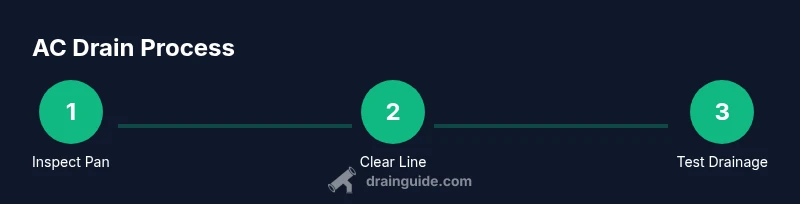
This section provides a concise overview of the actionable steps you’ll perform in the hands-on portion of the project. The water drain air conditioner path often runs from the indoor evaporator pan to an external drain, so you’ll work with both indoor and outdoor components. Start by turning off power, then visually inspect for obvious signs of clogs, leaks, or damage. If you detect standing water in the drain pan, the line is a likely source of the issue. A non-invasive flush with a mild cleaning solution can help loosen debris. If the line is clear but slow, a flexible snake or brush can dislodge mineral buildup without harming the pipe. After clearing, flush with water to verify the flow, and reinstall any panels or covers securely. Finally, test the system by restarting the AC and checking for leaks.
Key observations to record include the source of any leaks, the line’s condition, and whether a trap is holding water as intended. If you notice persistent problems after cleaning, recheck connections and slope, and consider adding a simple condensate pump in systems where gravity drainage isn’t reliable."
Preventive maintenance to keep the water drain air conditioner clear
Preventive maintenance is the cornerstone of reliable AC drainage. Schedule seasonal inspections to remove debris from the exterior drain line and keep the pan clean. Regularly replace or clean the air filter, as a clogged filter forces more condensate to form and can overwhelm drainage capacity. Watch for signs of creeping mold or slime in the drain pan and use a mild cleaning agent to prevent biofilm buildup. Ensure the line maintains proper slope toward the drain; even small deviations can reduce flow significantly over time. If your climate has hard water, mineral deposits can accumulate faster, so consider a monthly flush with a vinegar-water solution to reduce mineral buildup. The key is consistency: short, frequent maintenance beats rare, extensive resets. Drain Guide emphasizes a proactive routine to minimize unexpected leaks and protect indoor air quality.
Troubleshooting after clearing the drain
After clearing the water drain air conditioner line, run a brief test cycle and observe for leaks around the drain pan and along the line. Check the outdoor end for fresh water exiting, indicating proper drainage. If you still notice slow drainage, revisit the slope or look for partial blockages further along the path. Inspect the condensate pan for cracks or warping, as a damaged pan can cause ongoing leaks even when the line is clear. If the issue recurs within a short period, there may be secondary problems such as a faulty condensate pump, a misrouted line, or a cracked drain pan seal. In some cases, replacing a damaged line or pan is more cost-effective than repeatedly cleaning a clogged system. Drain Guide’s guidance supports a thorough diagnostic approach and a long-term solution rather than quick patches.
When to call a professional
If you encounter persistent leaks after trying the steps above, or if you discover a cracked drain pan, corroded fittings, or a broken condensate pump, it’s time to call a professional. Electrical safety concerns or unfamiliar HVAC components can create serious hazards if mishandled. Pro technicians can perform a pressure test, verify the proper refrigerant charge, and ensure the drainage components function correctly without compromising the system warranty. Regular maintenance by a pro, combined with your DIY checks, can prevent costly repairs and minimize downtime. The Drain Guide team recommends seeking professional help when you lack confidence or if the unit is under warranty, to preserve system integrity and safety.
Tools & Materials
- Gloves (rubber or nitrile)(Protect hands when handling drain line and cleaning agents)
- Flashlight(Inspect hidden areas of the drain and pan)
- Screwdrivers (flathead or Phillips)(Access panels and disconnect routes if needed)
- Wet/dry vacuum(Suction to clear condensate line and catch spills)
- Flexible drain snake or plumber's snake(Dislodge obstructions in the condensate line)
- Bucket or towels(Contain condensate and spills)
- Mild cleaning solution or white vinegar(Flush mineral buildup without harsh chemicals)
- Replacement condensate line or cap (if damaged)(Only if you identify damage)
- Measuring cup or funnel(Assist precise cleaning solution use)
Steps
Estimated time: 30-60 minutes
- 1
Power down the unit and protect yourself
Turn off power at the thermostat and the breaker to prevent the fan from starting unexpectedly. Remove jewelry and wear gloves and eye protection. This step prevents electrical shock while you access the condensate components.
Tip: Lockout/tagout if available and double-check the breaker is off. - 2
Locate the condensate drain line and access point
Find the indoor drain pan and the connected condensate line. Identify whether the line runs to a sink, a floor drain, or an outdoor outlet. Clear access helps you assess slope and potential obstructions.
Tip: Use a flashlight to inspect the line for visible clogs or kinks. - 3
Assess the line for visible clogs or standing water
Look for a buildup of grime, algae, or mineral deposits inside the line. Note any standing water in the pan, which indicates slow drainage and potential blockages.
Tip: Do not force the line; gentle probing can avoid pipe damage. - 4
Clear mild clogs with a snake or brush
Insert the snake into the drain line and gently work it through the bend. Scrub with a brush to dislodge slime, then pull back slowly to remove debris.
Tip: Rotate the snake and push forward in short advances for better contact. - 5
Flush the line and verify flow
Flush the line with a mild vinegar-water solution or clean water. Check that the effluent exits cleanly at the outdoor end or drain, indicating clear drainage.
Tip: Keep towels handy to catch runoff and prevent floor damage. - 6
Reassemble and test the system
Reconnect any panels, restore power, and run a brief cooling cycle to observe drainage and leaks. Listen for unusual sounds that could indicate a misaligned line.
Tip: Watch for new leaks for the first 24 hours after testing.
Got Questions?
What causes a blocked AC condensate drain line?
Blockages are usually due to algae, mineral buildup, and debris that accumulate in the condensate line over time. Poor line slope can also slow drainage and encourage buildup. Regular checks help prevent these issues from becoming leaks.
Blockages are usually algae or mineral buildup combined with debris and poor slope. Regular checks prevent leaks.
Can I use bleach to clear the drain line?
Harsh chemicals like bleach can damage the condensate line and HVAC components. Use mild cleaning solutions or vinegar to flush mineral buildup. If in doubt, consult your unit’s manual or a professional.
Avoid bleach. Use mild cleaners or vinegar and follow the manual or a pro if unsure.
Is it safe to use a drain snake on an AC drain line?
Yes, a flexible drain snake can clear many clogs, but do not force it through a tight bend. If you encounter resistance, stop and reassess. For fragile lines, seek professional help.
A snake can help, but don’t force it and know when to stop and call a pro.
How often should I inspect the drain line?
Inspect the condensate drain line at least twice a year, typically before cooling season and after seasonal storms. Consider monthly quick checks if you have hard water or dust-heavy environments.
Check the drain line twice a year, more often if you have hard water.
What should I do if I see standing water after clearing the line?
If standing water persists, recheck for slope issues, a damaged pan, or a blocked outlet. It may indicate a larger issue such as a damaged condensate pan or an improper trap.
Standing water means recheck slope, pan, and outlet for bigger issues.
When should I call a professional?
Call a professional if clogs persist after cleaning, the pan shows cracks, the line is corroded, or you’re unsure about electrical safety. A pro can diagnose pump, pan, and line integrity and protect warranties.
Call a pro if leaks persist or you see damage or safety concerns.
Watch Video
The Essentials
- Identify your condensate drain path and slope.
- Clear clogs with a snake, then flush with a gentle solution.
- Safety first: power down and wear PPE.
- Schedule regular maintenance to prevent leaks.