Blocked Air Conditioner Drain Line: Troubleshooting Guide
Learn how to diagnose and fix a blocked air conditioner drain line quickly. This Drain Guide troubleshooting article covers causes, safe fixes, step-by-step actions, and prevention tips to stop leaks and mold.


A blocked air conditioner drain line usually results from algae or mineral buildup. Quick fix: power off the indoor unit, locate the condensate drain line, and flush with a mild cleaning solution (distilled white vinegar mixed with water) followed by plenty of clean water. If backups persist, call a professional. Drain Guide recommends starting with a conservative flush before any disassembly.
What is a blocked air conditioner drain line?
Blocked air conditioner drain lines occur when the condensate drain path from the evaporator coil becomes obstructed. The result is water backing up into the drain pan, overflowing, and possibly triggering the condensate pan float switch to shut the system off to prevent leaks. Most residential setups drain via a small PVC pipe that runs to a floor drain, basement, or outdoor location. When algae, mold, mineral deposits, or debris accumulate, they narrow the path and restrict flow. Homeowners may notice damp ceilings, dripping from the indoor unit, a musty odor, or a visible crust around the drain cap. The drain line is often narrow and sensitive to temperature and humidity; even a partial clog can cause noticeable backups. Regular inspection helps catch early signs before damage occurs, and drainage failures are more common in humid months.
Common causes of blockages
The top culprits behind a blocked drain line include algae growth in warm, stagnant water; mineral buildup from hard water deposits; and debris like dust, lint, or insect detritus that find their way into the line. In some homes, pests such as small insects or critters can leave obstructions. A dirty air filter and restricted airflow increase condensate production, stressing the line and accelerating clogs. Cracked or loose condensate pans and damaged drain traps can also create backflow conditions. Finally, improper slope or a disconnected line can prevent gravity-assisted drainage, causing slow leaks that look like a blockage even when there’s no solid clog. Understanding these causes helps prioritize fixes and prevention.
Signs your drain line is blocked
Common indicators include water pooling around the indoor air handler, a slow or nonexistent condensate drain, and moisture on ceilings or walls beneath the unit. A strong musty odor or visible mold near the pan suggests standing water and microbial growth. The float switch may trigger a shutoff, stopping the AC; the breaker might trip if the condensate pan overflows. A gurgling sound when the unit runs, or an obvious crusty residue around the clean-out cap, are additional clues. If you notice any of these signs, treat it as a potential blockage and start a conservative flush before trying more invasive steps.
Immediate, safe steps you can take now
- Turn off power at the thermostat and the circuit breaker to prevent electrical shock.
- Locate the condensate drain line access point (often a white PVC pipe) and prepare towels or a drain pan.
- Check for obvious leaks or blockages in the visible section and remove loose debris with a gloved hand or a bottle brush.
- Use a safe cleaning approach such as a vinegar and water solution or a mild household cleaner recommended for HVAC systems. Avoid harsh chemical drain cleaners.
- Gently flush the line with warm water, then observe for continued drainage and any sign of backflow. If water continues to back up, stop and prepare for a deeper flush or professional help.
How to flush the drain line safely
A thorough flush can clear most partial clogs without disassembling the unit:
- Power down the system and protect yourself.
- Find the drain clean-out or access point and remove the cap.
- Pour a cup of white vinegar (or 1/2 cup hydrogen peroxide for a stronger clean) into the line and let it sit for 10-15 minutes to loosen buildup.
- Follow with 1-2 quarts of warm water to flush the line. If you have a wet/dry vacuum, you can place the nozzle at the drain outlet and gently pull the line to clear the obstruction. Avoid forcing the line; if resistance is met, stop.
- Reattach the cap, restore power, and run the unit to verify drainage. If drainage remains slow, proceed to section on pan and trap.
Cleaning the condensate pan and trap
Remove the access panel and carefully lift the condensate pan; inspect for cracks, pinholes, or warping that can leak. Clean the pan with mild soap and warm water; scrub away mineral deposits and mold with a soft brush. Check the condensate float switch for sticking or damage and ensure it moves freely. Clean the drain trap in the pan with a small brush; replace it if brittle or corroded. Reassemble, pour a little water into the pan, and confirm a smooth draining path. If the pan shows damage, consider replacement to prevent future leaks.
Clear the drain line toolbox: tools and products
Having a small, dedicated toolkit makes the job faster and safer:
- Flashlight and mirror to inspect hard-to-see areas
- Plastic funnel, disposable gloves, and towels
- White vinegar or HVAC-safe cleaner and warm water
- Wet/dry vacuum or a small shop vac for gentle suction at the drain (careful with electrical risk)
- A flexible drain snake or drainage brush for stubborn clogs
- A level or ruler to check line slope and pan position
- Replacement PVC caps and clamps for resealing the line after flushing Note: never mix cleaners and always follow local code and manufacturer guidance.
Prevention strategies to avoid future clogs
To minimize future blockages, implement a simple maintenance routine:
- Change HVAC filters every 1-3 months depending on use and pets.
- Schedule an annual professional maintenance visit to check the condensate drain, pan, and float switch.
- Ensure the drain line has an adequate fall toward the exterior or drain; clear the exterior drainage path of debris regularly.
- Keep the area around the indoor unit clean and dry; wipe down the drain pan during routine cleaning. Consider installing a condensate drain overflow alarm if your system lacks one.
- If you notice slow drainage again, address it promptly rather than delaying until a serious leak occurs.
When to call a pro and what to expect
If after a careful flush and pan inspection the line remains blocked or you see active leaks, it’s time to contact a qualified HVAC technician. A professional will confirm line integrity, test the float switch, and check for trapped air or improper slope. The Drain Guide Team emphasizes safety and recommends avoiding high-pressure rivering or chemical forcing that can damage components. Expect a diagnostic visit to include a drain-line flow test, a pan inspection, and a check of seals and fittings. Regular maintenance plans can prevent repeats and keep your system running efficiently.
Steps
Estimated time: 60-90 minutes
- 1
Power off and protect yourself
Shut off power at the thermostat and the circuit breaker to avoid electric shock. If you hear buzzing or see exposed wiring, stop and reassess before continuing.
Tip: Always verify power is off at both the breaker and thermostat before touching components. - 2
Locate drain line and access point
Find the condensate drain line—usually a white PVC pipe or hose connected to the evaporator pan. Remove any protective cover or access plug to reach the clean-out cap.
Tip: Take a photo of the drain layout for future reference. - 3
Check for obvious blockages
Inspect the visible run for standing water, crusty residue, or obvious debris. Remove loose material with gloves or a soft brush.
Tip: Do not force any items through the line; gentle brushing is safer. - 4
Prepare a safe cleaning solution
Mix a HVAC-safe cleaner or use white vinegar diluted with water. Hydrogen peroxide can be used for stronger cleaning, but avoid concentrated chemicals.
Tip: Do not mix cleaners; pick one approach and stick with it per instructions. - 5
Flush the line
Pour the solution into the drain line through the access point, then flush with warm water. If you have a wet/dry vacuum, you can carefully suction at the drain outlet to aid clearing.
Tip: Move slowly and stop if you feel resistance. - 6
Inspect/clean the condensate pan and trap
Remove the pan, clean with soap and water, check the trap and float switch for movement, and reseat properly.
Tip: Replace damaged parts instead of attempting a temporary fix. - 7
Reassemble and test
Reinstall the access cover, restore power, and run the system to observe drainage. Look for leaks and verify the condensate line drains freely.
Tip: Run the unit for several minutes to ensure continuous drainage. - 8
Document maintenance and prevention
Record what was done and set a maintenance reminder. Regular filter changes and annual checkups help prevent future clogs.
Tip: Schedule annual checks to catch developing issues early.
Diagnosis: Water pooling around the indoor air handler or overflowing condensate pan
Possible Causes
- highBlocked condensate drain line due to algae/mineral buildup
- mediumDisconnected or kinked drain pipe
- lowOverflowing pan from overproduction of condensate or dirty filter
Fixes
- easyClear the drain line by flushing with a cleaning solution (vinegar or HVAC-safe cleaner) and water
- mediumInspect and straighten the drain pipe, reseal joints, and ensure proper slope toward the drain
- hardReplace the condensate pan or float switch if damaged
Got Questions?
What causes a blocked air conditioner drain line?
Common causes include algae buildup, mineral scale, and debris in the line. Poor airflow and dirty filters can increase condensate production and contribute to blockages.
Common causes are algae buildup, minerals, and debris. Dirty filters make blockages more likely.
How can I tell if my drain line is blocked?
Look for water pooling around the indoor unit, a slow or blocked drain, or moisture on ceilings. A musty odor or mold near the pan also indicates standing water.
Watch for leaks, slow drainage, or musty odors near the unit.
Can I use chemical drain cleaners in an AC drain line?
Most HVAC pros avoid chemical drain cleaners, as they can damage components and seals. Use HVAC-safe cleaners or vinegar instead.
Avoid harsh chemicals; use HVAC-safe cleaners or vinegar.
What safety precautions should I take?
Always shut off power at both the thermostat and breaker. Wear gloves and eye protection, and avoid touching electrical components.
Power off and wear safety gear; don’t risk electrical shock.
When should I replace parts rather than flush?
If the pan, float switch, or trap is cracked or severely corroded, replacement is recommended rather than attempting another flush.
Damaged parts usually need replacement for reliability.
How can I prevent future blockages?
Regularly change filters, schedule annual HVAC maintenance, and ensure proper drain slope. Keep exterior drains clear and consider a condensate overflow alarm.
Maintain filters and schedule annual drain flushes.
Watch Video
The Essentials
- Turn off power before inspecting to prevent shocks.
- Flush with a safe solution and water to clear partial clogs.
- Inspect the pan and float switch for damage or wear.
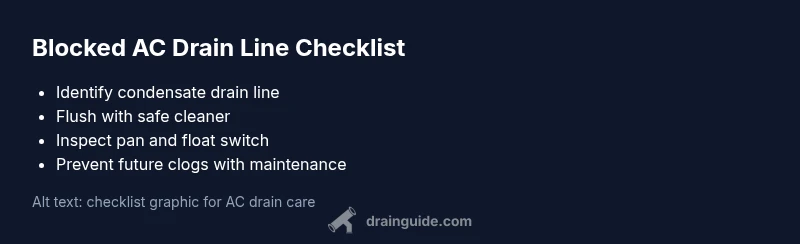
- Prevent future clogs with regular maintenance and timely filter changes.
- Call a professional if backups persist after a conservative flush.