Baking Soda and Vinegar for Drain Smell: A DIY Guide
Safe, step-by-step guide to using baking soda and vinegar for drain smell. Learn how this DIY method works, when to use it, and how to maintain fresh drains.


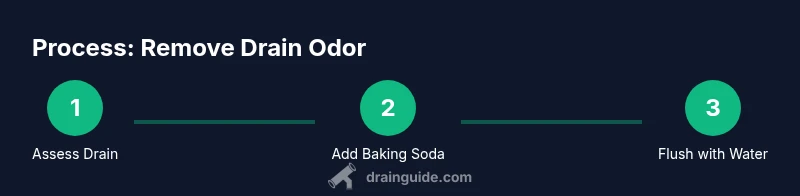
With baking soda and vinegar for drain smell, you can curb odors from kitchen and bathroom drains using a safe, pantry-based routine. This approach requires a few common items, hot water, and 15–30 minutes of focused steps. Drain Guide’s tested method emphasizes clear drains first, followed by fizzing action and a final rinse for best results.
Why this approach works for drain odors
Odors from kitchen and bathroom drains are typically caused by a mix of organic buildup, soap scum, grease, and trapped debris. The baking soda and vinegar for drain smell routine leverages two simple, safe ingredients to disrupt that buildup and push it out of the pipes. Baking soda is a mild abrasive and mildly alkaline substance, while vinegar is acidic; together they create fizz and help loosen grime without harsh chemicals. According to Drain Guide, this two-ingredient routine can reduce mild to moderate odors when used as part of a regular maintenance plan. You’ll see the best results when you start with a physically clear drain, as standing debris can block the fizz and prevent thorough cleaning. This approach is not a substitute for professional plumbing when you have persistent sewer gas, but it’s a solid first step for routine drain maintenance.
What the science says about baking soda and vinegar for drain smell
The combination of baking soda and vinegar for drain smell relies on a safe chemical interaction: the acid from vinegar reacts with the mild base in baking soda, producing fizz and carbon dioxide. This fizz helps loosen soap scum, mineral deposits, and organic matter clinging to the sides of pipes. While this reaction can help dislodge surface buildup and reduce odors, it does not replace professional cleaning for severe clogs or ongoing sewer gas symptoms. For most households, this approach offers a practical, low-cost maintenance routine that complements regular hot-water flushing and mechanical cleaning when needed. Drain Guide encourages realistic expectations: repeat treatments may be necessary, and persistent smells may point to deeper issues.
Ideal scenarios for using this method
This method shines for moderate odors stemming from routine kitchen and bathroom drain use—grease buildup, food particles, and soap scum. It’s especially helpful when you notice a faint sulfur or musty scent after use, or when water drains slower than normal due to minor buildup. It’s not a substitute for addressing structural problems, venting issues, or sewage odors. If you have a septic system, you should follow septic-safe practices and avoid introducing excessive quantities of chemical cleaners that could disrupt helpful bacteria. Always start with the least invasive approach and escalate if odors persist. Drain Guide recommends a calm, systematic routine to evaluate effectiveness over several days.
Prep and safety basics for DIY odor control
Before you begin, ensure you have a clear workspace and basic safety gear. Put on gloves to protect your skin from splashes and wear eye protection if you’re concerned about splashing. Open a window or run a fan to ventilate the area. Do not mix baking soda and vinegar with other cleaners, especially bleach or ammonia, as dangerous gases can form. Use hot water rather than boiling water to avoid stressing plastic pipes, and avoid chemical cleaners that could corrode metal or soften PVC over time. If you rent, check with your landlord before undertaking maintenance beyond routine flushing. These precautions help you use the method safely and effectively.
How the mixture interacts with clogs and grease
When baking soda and vinegar meet in the drain, the fizz can help lift loose debris away from the pipe walls. This action is most effective for light to moderate buildup rather than heavy, compact grease or a fully clogged line. The goal is to dislodge odor-causing residues and promote a cleaner flow. If you routinely flush drains with hot water after meals and occasionally follow with this fizzing treatment, you’re more likely to prevent the recurrence of odors. Remember that this method does not repair damaged pipes or cure persistent blockages—mechanical cleaning or professional assessment may be required for stubborn problems.
Using this method with a garbage disposal
Disposals can benefit from a careful application of baking soda and vinegar, but you should avoid introducing large quantities at once. Run cold water while performing the fizz and flush steps to help carry debris away. If you notice unusual noises, decreased grind, or persistent odors after disposal use, stop the procedure and inspect for jams or blade wear. In some cases, enzymes or mechanical cleaning tools may be safer and more effective for a disposal-specific odor issue. Drain Guide recommends treating disposals with mild cleaners and prioritizing flushing with water rather than relying solely on fizz alone.
How to measure success and when to escalate
Assess odor reduction after each treatment and track whether water drains more quickly. If you still detect odors after two to three rounds over a week, there may be deeper buildup or venting problems that require professional intervention. Odors that smell like sewage or sulfur, or drains that remain slow despite maintenance, should prompt a plumbing check. Document any changes in drain speed and odor intensity to discuss with a professional. This approach helps homeowners decide when DIY steps are sufficient and when to escalate.
Maintenance habits for long-term odor prevention
To keep drains fresh, consider monthly or bi-monthly flush routines that combine hot water with minimal amounts of baking soda and vinegar. Regularly clear visible debris from the drain opening and use a drain screen to reduce solids entering the pipe. Periodically inspect under-sink traps for signs of drying seals or leaks, which can exacerbate odor issues. Quick, proactive maintenance reduces the need for heavier interventions later. Drain Guide suggests pairing these habits with occasional deep cleans using safe enzymatic cleaners designed for household drains.
Common misconceptions about baking soda and vinegar
Many people assume that fizzing alone will “clean” every odor out of a drain. In reality, the effect is most pronounced for surface buildup and mild odors. It’s not a universal cure for all drain issues, and persistent smells may indicate deeper problems such as damaged pipes, improper venting, or a compromised septic system. Use this method as part of a broader maintenance plan rather than a single, all-encompassing fix. Always follow safety guidelines and avoid mixing with bleach or other cleaners.
Authority sources you can consult for deeper guidance
For more detailed information on drain maintenance and odor control, consult reputable sources on home plumbing and environmental health. See general guidelines from government and academic publications to inform safe practices and when to seek professional help.
Tools & Materials
- baking soda(about 1/2 cup (120 g) for initial treatment)
- white vinegar(1 cup (240 ml))
- hot water(1–2 liters, very hot but not boiling)
- measuring cup(1 cup and smaller measures for accuracy)
- kettle or pot to heat water(use a safe container for heating)
- drain plunger (optional)(use if a minor clog is suspected)
- gloves(protect hands during handling)
- drain screen or stopper(to catch debris during treatment)
- cloth or towel(for quick cleanup)
Steps
Estimated time: 30-45 minutes
- 1
Gather and prep supplies
Collect baking soda, vinegar, hot water, a cup, gloves, and a kettle or pot to heat water. Clear the area around the sink and place towels to catch any splashes. Having everything at hand reduces delays and keeps the process smooth.
Tip: Lay out items in the order you will use them to minimize steps. - 2
Clear the drain opening
Remove visible debris from the drain and wipe the rim. A clear opening helps the fizz and water reach the buildup inside the pipe rather than just pooling on the surface.
Tip: Use a small flashlight to inspect the drain would help you see debris you might otherwise miss. - 3
Pour baking soda into the drain
Pour approximately 1/2 cup of baking soda directly into the drain. This powder acts as a gentle abrasive and starts the neutralization process.
Tip: Do not inhale the powder; pour slowly to avoid clouds. - 4
Add vinegar and cover
Slowly pour 1 cup of white vinegar into the drain. Immediately cover the drain with a stopper or wet cloth to keep the fizz contained for 5–10 minutes.
Tip: The fizzing action is most effective when containment is tight. - 5
Rinse with hot water
Boil or heat water and slowly flush the drain with 1–2 liters of hot water. This carries away loosened debris and helps neutralize odors.
Tip: Pour in stages rather than all at once to prevent splashing. - 6
Optional follow-up step
If odors persist, repeat the baking soda and vinegar treatment once more, followed by another hot water flush. Avoid repeating too frequently to prevent overuse of cleaners.
Tip: Limit repeats to 1–2 cycles per week if odor recurs. - 7
Final check and maintenance
Run the faucet for a minute to ensure the water is flowing freely and the odor is reduced. Consider installing a drain screen and scheduling regular flushes to prevent future buildup.
Tip: A drain screen can dramatically reduce solids entering the pipe.
Got Questions?
Will baking soda and vinegar permanently fix drain odor?
This method can reduce mild to moderate odors and improve drainage, but it is not a permanent cure for all drain odors. Persistent smells may indicate deeper buildup, venting issues, or pipe problems that require professional assessment.
It can help with mild odors, but persistent smells may need a pro.
Is this safe for septic systems?
For most residential septic systems, small, occasional treats of baking soda and vinegar are considered mild. Do not rely on frequent or large quantities, and consult a septic professional if odor issues persist.
Use in moderation and consult a pro if you have a septic system.
How often should I repeat the treatment?
If you notice odors returning, you can repeat the treatment once every 1–2 weeks as part of a maintenance routine. Avoid frequent heavy use to prevent stressing pipes.
Repeat every 1–2 weeks if odors come back.
Can I use this method with a garbage disposal?
Yes, but use small amounts and run plenty of cold water during and after the fizzing process. Avoid large quantities that could cause foaming and trap debris.
Yes, but go easy and run water while doing it.
What should I do if the odor persists after DIY?
If odors persist after a DIY treatment, inspect for clogs, venting problems, or leaks. Consider professional plumbing assessment to identify deeper issues.
If it keeps coming back, a pro should check it out.
Watch Video
The Essentials
- Apply baking soda and vinegar for drain smell as a safe DIY routine
- Start with a clear drain and apply fizzing action for buildup removal
- Flush with hot water to carry debris away and refresh flow
- If odor persists, escalate to professional help and inspect venting/sewer issues