Can You Flush a Toilet When Water Is Off? A Practical Guide
Can you flush a toilet when water is off? Yes, with bucket methods and smart prep. Learn step-by-step techniques, safety tips, and how to restore service quickly after outages in this Drain Guide tutorial.


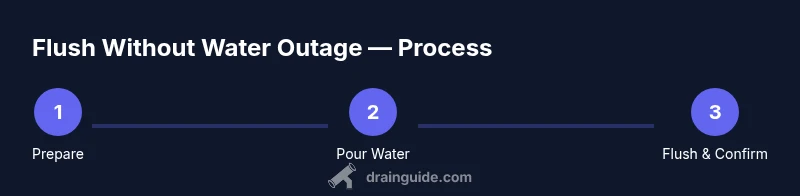
Yes, you can flush a toilet when the water is off, but you must use a safe, bucket-based method rather than a normal flush. Fill a sturdy bucket with clean water and pour it into the bowl quickly to simulate a flush. If the bowl still seems full, repeat once with a fresh bucket. Avoid overflowing and never flush repeatedly if the supply is off.
Understanding toilet flushing with no water supply
When your home’s main water is off, a standard toilet flush can’t happen because the tank isn’t refilling and the supply line is inactive. The mechanics of a toilet rely on a filled tank to deliver a gravity-assisted flush. However, you can still clear the bowl or move waste by manually delivering water into the bowl. This approach relies on a deliberate surge of water rather than a normal fill cycle. According to Drain Guide, grasping the basics of how a toilet flush works helps you plan a safe, temporary workaround during a water outage. The Drain Guide Team stresses that you should use clean water, avoid rushing to flush repeatedly, and keep the area contained to prevent splashes from becoming a bigger mess. For homeowners facing a temporary water outage, knowing these fundamentals reduces anxiety and sets expectations for the steps to come. You’ll also want to consider the overall plumbing layout, the toilet’s age, and whether you have alternative water sources available nearby.
In most homes, the tank does not refill when water is off, which means you only have the bowl’s current water and any water you manually add. A cautious approach keeps the system stable and reduces the risk of backflow or cross-contamination. It’s important to recognize that this isn’t a substitute for a functioning supply line; it’s a controlled, temporary method to handle a single flush or confirm sanitation after a mess. If you’re dealing with a multi-bath outage or ongoing water service issues, make a plan to conserve water and restore full operation as soon as the line is restored. This section will guide you through safe options, tools you’ll need, and practical steps to minimize risk.
The first rule is safety: wear gloves, lay towels to catch spills, and keep pets or children away from the work zone. Ensure your hands are clean and dry before handling the toilet or any water containers. Hydration and sanitation matter here, so wash your hands after you finish. The Drain Guide team recommends practicing the technique in advance if you anticipate outages, so you’re ready with a plan that won’t surprise you when water goes off.
In short, you can manage a temporary flush by delivering water directly into the bowl. The goal is to create a surge that mimics a normal flush, not to flood the bathroom or cause overflow. The next sections break down the tools you need, safe options for delivering water, and a clear step-by-step method to get the job done without creating a bigger mess.
Tools & Materials
- bucket (2–5 gallons)(Sturdy handle; use clean water)
- rubber gloves(Protect hands from waste and splashes)
- towels or absorbent rags(Ground and floor protection; quick cleanup)
- plunger (flange preferred)(Helpful if a partial clog exists)
- watering can or pitcher(Nice to have for controlled pours)
- flashlight/headlamp(Improve visibility in dim bathrooms)
- plastic sheeting or extra towels(Contain splash risk in case of overflow)
Steps
Estimated time: 60-90 minutes
- 1
Gather supplies
Collect a sturdy bucket, gloves, towels, and a pour container ahead of time. Having everything in reach minimizes trips and helps you act quickly when the water is off.
Tip: Arrange items on a nearby shelf or towel so you don’t have to search mid-task. - 2
Prep the area and safety checks
Lay towels to protect the floor, and ensure kids or pets are away from the bathroom. Check that the faucet and other nearby fixtures won’t be disturbed during the process.
Tip: Turn on a flashlight if lighting is poor; good visibility prevents accidental spills. - 3
Pour to simulate a flush
Fill the bucket with clean water and pour it steadily into the toilet bowl from about 6–12 inches above the rim to generate a strong surge.
Tip: Pour in one smooth motion; a jagged pour can cause splashes and reduce effectiveness. - 4
Assess and repeat if needed
If the bowl remains largely full or waste isn’t cleared, pour a second bucket of water promptly. Avoid adding too much at once to prevent overflow.
Tip: Keep a damp cloth handy to wipe up any minor spills immediately. - 5
Finish up and sanitize
Wipe the area with a clean cloth, rinse hands, and dispose of towels if appropriate. Consider sanitizing the bathroom surfaces after handling waste.
Tip: Fold towels to minimize contact with waste and wash hands thoroughly after disposal. - 6
Restore normal service and test
Once water is restored, run a standard flush to confirm the toilet and supply lines are functioning properly. If the tank fails to fill, check the fill valve or call a plumber.
Tip: If you suspect a fixable valve issue, test after restoration before attempting another bucket flush.
Got Questions?
Can I flush a toilet without water from the supply?
Yes, you can flush by pouring water directly into the bowl from a bucket. This mimics a flush but isn’t ideal for repeated use. Avoid overflows by pacing pours.
Yes, you can flush by pouring water directly into the bowl from a bucket; just pour carefully to avoid overflow.
What supplies do I need for a bucket flush?
A sturdy bucket, gloves, towels, and a pitcher or jug to move water. A plunger may help if the bowl is slow to clear.
Grab a sturdy bucket, gloves, towels, and a pitcher to transfer water.
Is a bucket flush safe for septic systems?
Pouring water into the toilet from a bucket is generally safe for septic systems; avoid chemical cleaners or oils.
It's typically safe for septic systems, as long as you avoid chemicals.
What if the bowl doesn’t flush after two pours?
Stop and recheck for clogs; a plunger or professional service may be required. Do not force more water.
If two pours fail, try a plunger; if that doesn't help, call a plumber.
When should I restore water supply and test?
Only after you’ve finished the bucket flushes and cleaned the area; then restore water and test the toilet.
Restore water after flushing and cleaning, then test the toilet with a standard flush.
Is it safe to flush if there’s sewer odor?
Avoid using the toilet further; allow fresh air to circulate and wait for normal service.
If there's sewer odor, wait until normal service returns before flushing again.
Watch Video
The Essentials
- Prepare a bucket-flush kit before outages
- Pour water quickly to mimic a flush
- Restore water supply and test after flushing