Drain Clean: A Step-by-Step Guide to Clear Drains Safely
Learn drain clean techniques to clear clogs safely. This comprehensive how-to covers tools, steps, safety, and maintenance tips for kitchen, bathroom, and laundry drains.


By following this guide, you will learn how to drain clean a wide range of drains safely and effectively, using a mix of mechanical methods and responsible cleaners. You’ll identify when you can handle the job at home and when to call a pro, gather the right tools, and execute a step-by-step process designed for kitchens, bathrooms, and laundry areas. Safety and maintenance tips included.
What drain clean means and why it matters
Drain clean is the practice of removing grease, hair, soap scum, and debris from pipes and traps to restore normal flow. For homeowners, a clear drain reduces backups, odors, and water damage. According to Drain Guide, regular drain clean is a proactive maintenance habit that catches minor blockages before they become major problems. This approach blends mechanical methods with safe cleaners, and emphasizes maintenance as part of responsible home ownership. It also helps protect your plumbing seals, traps, and venting from unnecessary strain.
In this guide, you’ll learn how drains clog, how to pick the right method, and how to perform the core steps safely. You’ll also see how to evaluate results, recognize when a clog is beyond DIY, and build a simple maintenance routine that keeps kitchen, bathroom, and laundry drains flowing smoothly.
Common causes of slow drains and clogs
Most residential clogs form from a combination of everyday use and material buildup. Hair, soap scum, and mineral deposits accumulate in bathroom drains, while grease, food particles, and starches cling to kitchen pipes. In laundry drains, detergent residues and fabric fibers can trap debris and slow flow. Over time, these materials create partial blockages that trap more waste, eventually requiring heavier cleaning. Improper disposal, like pouring hot grease down the drain or flushing fats, oils, and wipes, accelerates the problem. The age of pipes also matters: older clay and metal lines are more susceptible to narrowing, especially where junctions and traps create natural choke points. By understanding these causes, you can tailor drain clean strategies to your specific situation and avoid common mistakes that push clogs deeper rather than clearing them.
Cleaning approaches: mechanical, enzymatic, chemical
There are three broad avenues for drain clean, each with its own strengths and limits. Mechanical methods physically remove or push through obstructions and work well for most clogs you encounter at home.
-
Manual plunger or cup plunger: A staple for many households. Use vertical strokes to create pressure that dislodges the blockage.
-
Drain snake or auger: A flexible rod that can reach into the trap and beyond to break up hair and grease. Start at the trap, feed slowly, and rotate to grip the clog.
-
Enzyme-based cleaners: These rely on beneficial bacteria to digest organic matter in pipes. They’re gentler on pipes and septic systems, but require time to work.
-
Chemical cleaners (careful use): Strong cleaners dissolve organic matter but can damage pipes or irritate skin if misused. Never mix different products, and avoid flushing capsules that may irritate septic systems. Use as directed and ventilate the area.
The enzymatic and chemical options can supplement mechanical methods, but they are not guaranteed to clear every clog. For stubborn blockages, combining approaches or escalating to professional help may be necessary.
Safety and preparation before you start
Safety first. Put on gloves, eye protection, and work in a well-ventilated area. Read product labels carefully and never mix cleaners, as dangerous fumes can result. Clear the area around the drain, remove standing water if possible, and place a bucket or towels to catch spills. If you’re using a chemical cleaner, keep children and pets away and follow the label’s precautions. Understand that high-pressure tools can cause splashback or pipe damage if misused. If you’re unsure about the type of drain you’re dealing with, test a small amount of cleaner on an inconspicuous section before full use. Finally, consider shutting off the water supply if you anticipate a significant exposure or a long cleaning session.
Choosing the right method for your drain type
Different drains demand different approaches. Kitchen drains often deal with grease and food solids, so mechanical methods combined with enzyme cleaners can keep lines clear after disposal. Bathroom sinks and showers deal with hair and soap scum; a drain snake is frequently effective, followed by a flush with hot water. Laundry drains deal with detergent residues and fibers, so avoid harsh chemical cleaners and instead consider enzyme-based products and thorough flushing. If you have a septic system, favor enzyme-based cleaners and avoid caustic options that kill beneficial bacteria. For older homes with long runs of pipe, approach with patience: slow flow can mirror pipe size and venting limits rather than a single clog. In all cases, start with the least invasive method and escalate only if needed. Record what you try; it helps diagnose recurring issues and plan preventive maintenance.
Quick comparisons: pros and cons of methods
-
Plunger: Pros—cheap, fast, good for shallow, solidly connected clogs. Cons—ineffective on long, deep, or hardened blockages.
-
Drain snake: Pros—reaches deeper, clears hair and grease, reusable. Cons—requires some skill and careful use to avoid pipe damage.
-
Enzyme cleaners: Pros—safe for pipes and septic systems, low odor. Cons—slow, may not clear heavy blockages quickly.
-
Chemical cleaners: Pros—fast, dissolve tough organic matter. Cons—potential pipe damage, fumes, not septic-friendly.
-
Enzymes + mechanical: Pros—balanced approach, safe and effective for routine maintenance. Cons—may require time and multiple applications.
Tailor your method to the drain type and blockage, and avoid combining incompatible cleaners. Always flush with plenty of water after cleaning to confirm flow.
Preventing future clogs: maintenance plan
A simple maintenance routine reduces the frequency and severity of clogs. Regularly flush drains with hot water to dissolve grease, wipe hair from combs and brushes away from bathroom drains, and use enzymes a few times per year to digest organic buildup. Scrape plates into the trash rather than the disposal, and avoid pouring oil or food waste down kitchen drains. Keep a small bucket of baking soda and white vinegar on hand for a non-harsh, occasional refresh: pour baking soda into the drain, follow with hot water, then a pour of vinegar, cap, and wait a few minutes before flushing again. Periodically inspect trap and venting access points and listen for gurgling sounds that signal venting issues or partial blockages. By staying proactive, you’ll maintain better flow and reduce emergency drain clean sessions.
Authority sources
This section provides reputable sources for safety and best practices related to household drain maintenance. Always cross-check product labels and local codes when performing DIY work.
- https://www.epa.gov/saferchoice
- https://www.osha.gov
- https://www.cdc.gov
Tools & Materials
- Gloves (rubber)(Nitrile preferred, 4 mil+ thickness)
- Goggles or safety glasses(Eye protection; splash risk)
- Plunger (cup or flange)(Choose size appropriate for the drain (sink/toilet))
- Drain snake / auger(2-6 ft for sinks; longer for main lines; keep a backup coil)
- Bucket(To catch spills and hold tools)
- Old towels or rags(For mess cleanup)
- Enzyme-based drain cleaner (optional)(Septic-safe preferred; follow label)
- Vinegar and baking soda (optional)(Safe alternative; avoid mixing with other cleaners)
- Flashlight(For better visibility)
Steps
Estimated time: 30-60 minutes
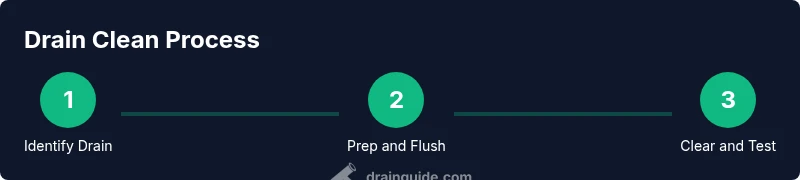
- 1
Identify drain and gather supplies
Locate the clogged drain and collect all needed tools so you’re not scrambling mid-task. Confirm the water level and inspect for standing water that may indicate a deeper blockage. A quick plan helps prevent scattered materials and keeps the work area organized.
Tip: Lay out tools in a logical sequence (plunger, snake, cleaners) to reduce back-and-forth. - 2
Prepare area and protect yourself
Clear the area, remove items that could fall in, and set towels or a bucket to catch drips. Put on gloves and eye protection, and ensure good ventilation if you’re using cleaners. Read labels before applying any product.
Tip: Ventilate the room and keep kids/pets away during cleaning. - 3
Attempt to dislodge with a plunger
Place the plunger over the drain and create a tight seal. Use strong, vertical plunging motions for 20–30 seconds, then pause to observe if the water drains. Repeat a few cycles if needed.
Tip: Ensure a tight seal; a leaky seal reduces suction and effectiveness. - 4
Use a drain snake if plunging fails
Insert the snake into the drain and gently push while rotating to break through the clog. When you feel resistance, pull back a few inches and repeat. Flush with hot water after clearing.
Tip: Proceed slowly to avoid damaging the pipe or pushing the clog deeper. - 5
Try enzymatic or chemical cleaners as needed
If the clog persists, opt for enzyme-based cleaners first, especially if you have a septic system. If you choose a chemical cleaner, follow the label precisely and ventilate the space.
Tip: Avoid mixing cleaners; read the product warnings carefully. - 6
Flush, test, and clean up
Run hot water for several minutes to ensure the flow is restored. Reassemble any removed parts, wipe down surfaces, and store tools properly. Note the outcome to guide future maintenance.
Tip: Record what worked for future reference and schedule monthly checks.
Got Questions?
Can I use baking soda and vinegar to unclog a drain?
Baking soda and vinegar can help mild buildup and are safe for most drains, but they often won’t clear serious clogs. Use them as a supplementary step after mechanical methods. If you don’t see improvement, move to a snake or professional assistance.
Baking soda and vinegar help mild buildup, but for stubborn clogs you’ll want a snake or pro help.
When should I call a professional plumber?
Call a professional if water backs up from more than one drain, you hear gurgling sounds, or you’re unsure about pipe condition. Persistent clogs beyond basic DIY steps indicate an underlying issue that may require specialized tools.
If multiple drains back up or you hear gurgling, it’s time to call a plumber.
Are chemical drain cleaners safe for septic tanks?
Most strong chemical cleaners can disrupt beneficial bacteria in septic systems. For septic tanks, prefer enzyme-based products and follow the septic-safe guidelines on the label. Use chemical cleaners only if you fully understand their impact on your system.
Strong chemical cleaners can harm septic systems; enzymes are a safer alternative.
Why is my drain slow after cleaning?
Slow drainage after cleaning may indicate a remaining partial blockage, venting issues, or pipe size constraints. Reassess with gentle methods, check vents, and consider professional inspection if the problem persists.
If it’s still slow, there might be a partial clog or venting issue; consider a repeat cleaning or a professional check.
How often should I clean drains to prevent clogs?
A proactive monthly maintenance routine helps prevent clogs. Use enzyme-based cleaners a few times a year and perform periodic hot-water flushes to keep lines clear.
Keep drains clean with monthly maintenance and periodic enzyme cleansers.
The Essentials
- Start with gentle methods and escalate as needed.
- Use PPE and good ventilation during all steps.
- Enzyme cleaners are safer for septic systems and regular maintenance.
- Know when to call a plumber for persistent or multiple-drain clogs.