Drain Clean Machine: A Homeowner’s Step-by-Step Guide
Learn to safely operate a drain clean machine (drain auger) to clear clogs in sinks, showers, and tubs. This comprehensive guide covers safety, selection, step-by-step usage, maintenance, and when to call a pro.


According to Drain Guide, a drain clean machine (drain auger) is a flexible-cable tool that breaks up clogs deep in pipes. Use it for accessible blockages in sinks, showers, and tubs, following safety guidelines and manufacturer instructions. This quick guide covers prep, operation, and aftercare to restore flow safely.
What a drain clean machine is and how it works
A drain clean machine, also called a drain auger, is a versatile tool that helps break up clogs deep in plumbing. It uses a flexible cable that is fed into the drain and rotated by a motor or handle. As the cable advances, the tip and cutting edges engage the blockage, breaking it apart so water can pass again. According to Drain Guide, this type of device is most effective for hair, grease, soap scum, and mineral buildup that sits beyond the reach of a plunger. The key advantage is reaching blockages farther down the line without dismantling pipes. Safety is essential: start with a shorter section of cable to test resistance and never force the cable through tight bends. Always consult the user manual for your specific model, as features differ between handheld augers and larger stationary machines. In this block, you’ll learn how to select a unit appropriate for your needs and what to expect during operation.
Safety and prep before you start
Before you pick up the machine, set safety first. Wear ANSI-rated safety glasses, heavy gloves, and long sleeves; protect your eyes from splashes and flying debris. Make sure the area is well-lit, the floor dry, and children or pets are out of the way. If you’re working near an electrical outlet, use a GFCI-protected circuit and dry hands when plugging in the machine. Read the manual for voltage, cable length, and safety features such as automatic shutoff. Drain Guide emphasizes PPE and electrical safety as essential, especially when working in tight spaces under sinks. Prepare a clean bucket, towels, and a few rags for cleanup. If you see standing water or suspect a larger issue (such as a collapsed pipe), stop and reassess before proceeding.
Choosing the right machine for the job
Drain cleaning machines come in several forms: handheld drum-type augers, powered automatic machines, and more robust industrial models. For shallow clogs in sinks or showers, a compact handheld unit with a shorter guide cable is usually sufficient. For deeper traps or long runs, a drum-style machine with a longer cable provides better reach. Consider the pipe material (PVC, copper, cast iron) and pipe diameter; stiffer cables can scratch softer materials if used improperly. Check for features such as auto-feed, reverse rotation, and integrated light to help in dim spaces. Based on Drain Guide research, matching the machine type to the expected clog depth reduces frustration and minimizes the risk of pipe damage. If you’re unsure, start with the mildest device and progress to a more powerful unit only if you’ve cleared the blockage safely.
When not to DIY with a drain clean machine
While drain cleaning machines are versatile, they aren’t the right tool for every job. Avoid using a drain auger on toilets, septic systems, or in pipes that are cracked or deteriorating, as the mechanism can worsen damage or push the clog further into the system. If you can’t locate the clog through a plausible access point, or you hear grinding or grinding-like noises, stop and call a licensed plumber. Do not attempt to force the cable through a hard obstruction; that can cause and worsen pipe damage or split fittings. Also, never operate a machine in a flooded area or near exposed wiring. The right choice is balancing DIY capability with safety and structural awareness.
Tools and materials you’ll need
Even though you’re using a drain clean machine, gathering the right supporting tools makes the job smoother. You’ll need the machine itself, assorted auger cables or bits, a plunger for initial clearing, protective eyewear, gloves, a bucket, rags or towels for cleanup, a flashlight, and a backup plan (like a backup drain snake). If you have a trap under the sink, you might need a pair of pliers or a container to catch water. Keep a spare head or tip in case the current one becomes dull. Remember to test the machine with water running to verify it’s feeding correctly and to avoid over-tightening the cable inside the drain.
Step-by-step usage overview
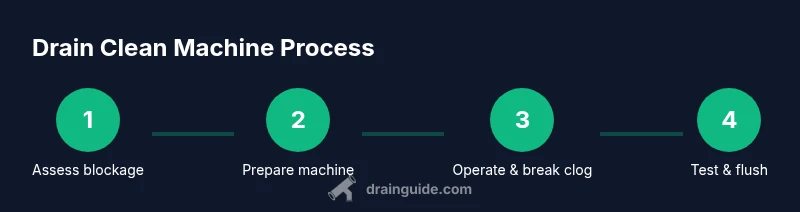
Here is a high-level outline of the process to help you plan, before diving into the detailed steps. Start by turning off water supply to the affected fixture and putting on PPE. Select the appropriate auger cable length and attachment for the clog’s suspected depth, then carefully insert the tip toward the blockage. Feed the cable slowly while rotating in short bursts to avoid kinking. If the clog resists, back out slightly and reassess alignment. Once you sense the clog break, retract the cable smoothly while continuing to rotate, then flush the drain with water to confirm flow. Finally, inspect and clean the machine, and store it in a dry area.
Techniques for different pipe types
PVC, copper, and cast iron pipes respond differently to auger action. PVC is generally forgiving but can be gouged by aggressive tools; copper is softer but can deform with excessive torque. Cast iron is strong but brittle and may crack if the cable is forced. Start with light pressure and short feed lengths, increasing gradually as you monitor for resistance. When working with multiple bends, rotate the cable while keeping steady forward pressure to navigate curves. For metal pipes, use cables with protective coatings to minimize abrasion. Drain Guide notes that adjusting technique based on pipe material reduces the risk of damage and improves success rates.
Post-cleanup: testing, cleaning, and maintenance
After clearing a clog, run hot water through the line to verify the path is clear and the flow is restored. Wipe down the auger and dry all components to prevent rust, then store the machine in a dry environment. Inspect the cable for any nicks or kinks—replace damaged segments as needed. Lubricate moving parts as recommended by the manufacturer, and detach the cable from the drum before long-term storage. Keeping a regular maintenance schedule extends the life of your tool and reduces the chance of future outages.
Rental vs purchase and what to expect
If you only encounter clogs occasionally, renting a drain cleaning machine can be cost-effective and convenient. For frequent use, purchasing a unit offers long-term savings and immediate availability. Consider cable length, drum capacity, power requirements, and warranty when deciding. Drain Guide’s analysis indicates that the right choice aligns with your home size, typical clog frequency, and comfort level with DIY tools. Remember to follow safety guidelines, check local rental rules, and inspect equipment before use.
Real-world scenarios and practice tips
In a typical bathroom scenario with hair and soap scum buildup, a handheld drain auger can restore flow quickly without disassembly. For kitchen drains with grease buildup, a longer cable helps reach the trap and piping beyond the trap. If the drain is slow but not fully blocked, a brief auger session followed by a thorough flush can often restore performance. Practice on a test drain first if you’re new to the tool, and always leave time for cleanup and inspection. Drain Guide’s team emphasizes calm, methodical steps over rushed attempts to avoid damage and injuries.
Tools & Materials
- Drain clean machine (drain auger)(Choose a unit appropriate for the clog depth and pipe material)
- Auger cables/bits (varied lengths and diameters)(Carry extra lengths to reach deep clogs)
- PPE: safety glasses, gloves, long sleeves(Protect eyes and skin from splashes and debris)
- Bucket, towels, rags(For water spills and cleanup)
- Plunger (cup or flange)(Initial clearing and test flow)
- Flashlight or headlamp(Illumination in dark spaces)
- Pliers or channel locks(Trap access and fittings)
- Drain trap removal tools (if needed)(Access traps under sinks)
- Lubricant or light oil(Ease cable insertion and maintenance)
Steps
Estimated time: 60-120 minutes
- 1
Prepare the area and safety check
Turn off the water supply to the affected fixture. Put on PPE, clear the workspace, and lay towels to catch splashes. Confirm electrical safety: dry hands and use a GFCI outlet if using an electric auger. This step reduces risk and sets a controlled environment.
Tip: Double-check that pets and kids are away; a dry, clean area improves visibility and planning. - 2
Assess clog location and select cable
Identify the likely clog area using manual checks or a flashlight. Choose a cable length and diameter appropriate for the pipe size and expected depth. Avoid forcing a too-large cable into a tight bend.
Tip: If you’re unsure, start with a shorter length to test resistance before committing the full cable. - 3
Assemble machine and attach cable
Attach the selected cable to the auger head and secure it on the drum or feed mechanism. Ensure the cable moves freely without kinks. If your model requires it, connect any attachments such as a chisel or cutting head.
Tip: Check that the drive belt is properly tensioned; a loose belt can slip and reduce effectiveness. - 4
Insert cable into drain gradually
Carefully insert the cable into the drain, applying steady forward pressure while guiding the cable to avoid snags. Keep the cable straight as it enters the pipe to prevent wrapping around bends.
Tip: Maintain gentle, consistent pressure; rushing can kink the cable and damage the pipe. - 5
Operate with controlled rotation and feed
Turn on the machine and feed the cable slowly while rotating the drum. If resistance increases, pause, back out slightly, and reorient the cable. The goal is to break the clog with minimal force.
Tip: Use short bursts of rotation rather than continuous power to reduce heat and wear. - 6
Break the clog and retract the cable
When the blockage loosens, keep a steady pace as you retract the cable. Retrieve any debris from the endpoint and inspect the tip for wear. If you sense recurring resistance, back out and reassess.
Tip: Do not yank; smooth, even retraction minimizes pipe stress. - 7
Flush and test the drain
Run hot water or a strong flush to clear residual debris and verify improved flow. If the water still backs up, consider repeating the process with a longer cable or different head. Verify no new leaks appear around joints.
Tip: Have a backup plan: a second pass with a fresh head can help in stubborn clogs. - 8
Clean, inspect, and store the equipment
Wipe down the auger, dry all components, and store in a dry place. Inspect cables for nicks or wear; replace if necessary. Lubricate moving parts per the manufacturer’s guidelines to extend life.
Tip: Keep a log of uses and any wear; it helps plan future maintenance.
Got Questions?
What is a drain clean machine and when should I use it?
A drain clean machine, or drain auger, uses a flexible wire to break up clogs beyond the reach of a plunger. Use it for stubborn hair or grease blockages in sinks, tubs, or showers after basic tools fail. Always follow safety guidelines and model instructions.
A drain auger is a flexible wire tool you feed into a clogged drain to break up blockages. Use it after basic tools fail, and follow safety steps.
Can I use a drain clean machine on a toilet?
Specialized toilet augers exist, but most standard drain cleaning machines are not recommended for toilets due to risk of damage. If you must attempt, use a toilet-specific auger and proceed with extreme care, or call a plumber.
For toilets, use a toilet auger. If unsure, consult a professional to avoid damaging the porcelain or plumbing.
What pipe materials are safe to treat with a drain auger?
PVC, copper, and cast iron pipes can generally be treated with a drain auger, but technique matters. Avoid aggressive force and monitor the cable for wear to protect delicate joints.
PVC, copper, and cast iron are common; use light pressure and watch for wear to protect joints.
What should I do if the clog returns after using the machine?
If clogs recur, the obstruction might be deeper, or there may be a deeper issue such as a collapsed pipe. Stop DIY attempts and consult a licensed plumber to prevent pipe damage.
If the clog comes back, stop DIY and call a plumber to check for deeper problems.
Do I need to flush after using the drain auger?
Yes. Run hot water to flush debris to the sewer line and verify the clog is fully cleared. A final flush helps ensure continued flow.
Flush the drain after using the auger to confirm clearance.
When should I hire a professional?
Call a professional if you encounter repeated clogs, suspect pipe damage, or face a blockage that does not clear after a few attempts. A pro can diagnose and repair without risking further harm.
If clogs persist or you suspect pipe damage, hire a pro.
Watch Video
The Essentials
- Inspect the clog before starting for a faster fix
- Use the correct auger cable length and type
- Clean and dry the machine after use to prevent rust
- Test the drain after cleaning to confirm flow
- Drain Guide recommends professional assessment if clogs persist