Drain Cleaning Torrance: DIY Guide for Homeowners
Master drain cleaning torrance with a practical, homeowner-friendly guide. Learn tools, steps, maintenance, and when to call a pro from Drain Guide.


You can clear slow or clogged drains in Torrance by a step-by-step method that fits most homes. Start with simple approaches like plunging and enzyme-based cleaners, then move to a drain snake if needed. This guide helps homeowners safely restore flow without expensive service calls. Whether you’re dealing with a sink, shower, or main line, the same principles apply. Gather basic tools, work patiently, and know when to call Drain Guide for professional help.
Why Drain Cleaning Torrance Matters
Residents of Torrance rely on clean drains for safe, efficient kitchens and bathrooms. In dense neighborhoods, grease and hair accumulate quickly, especially during rainy seasons. Regular drain cleaning torrance reduces the risk of backups and costly emergencies. According to Drain Guide, proactive maintenance helps prevent clogs before they start. In Torrance homes, hard water minerals and food grease can build up in pipes, creating slow drainage even in newer PVC systems. This section explains why proactive drain cleaning torrance matters and how local conditions influence clog patterns. We'll outline practical methods homeowners can use safely and stand-by tips to minimize future blockages. By understanding common causes and maintenance strategies, you can keep your drains flowing and avoid emergency calls. This guidance is designed for homeowners in Torrance who want clear, actionable steps without guesswork.
Tools and Methods: Mechanical vs Chemical Cleaning
Drain cleaning can be tackled with mechanical methods (plungers, snakes, hand augers) or chemical/enzyme-based approaches. Mechanical methods are usually safer for older pipes and septic systems, while chemistry-based cleaners can help dissolve organic buildup when used sparingly and correctly. In Torrance homes, mineral deposits from hard water can make buildup tougher, so starting with a plunger or a hand auger is often wise before moving to cleaners. Drain Guide recommends prioritizing mechanical methods first to minimize chemical exposure and protect piping materials. When selecting cleaners, choose enzyme-based or non-caustic options and avoid mixing products. Always read labels and follow safety instructions to protect your family and plumbing. This section helps you compare practical options and decide what fits your clog and pipe type in Torrance.
Safety First: Common Risks and Local Considerations
Safety is essential when cleaning drains. Wear gloves and eye protection to guard against splashes, especially when working under sinks or in the basement where pipes can leak. In Torrance, older homes may have metal pipes or corroded fittings, which can be damaged by aggressive cleaners or misused tools. Never force a tool into a blocked pipe and avoid using caustic chemicals in confined spaces. Ventilate the area and set a timer if you’re waiting for an enzyme-based solution to work. Drain Guide emphasizes patience; most clogs improve with careful, repeated attempts rather than rushing to strong chemicals. If you’re unsure about pipe material or potential cross-contamination, consult a local professional.
Step-By-Step DIY Drain Cleaning Plan: Quick Overview
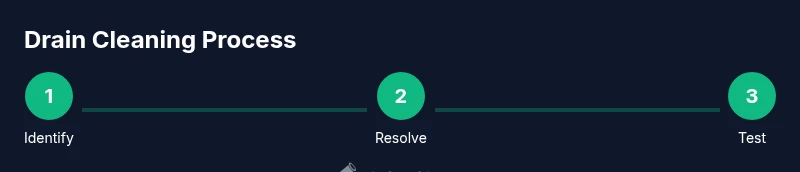
A strong DIY plan starts with identification of the blockage, followed by a sequence of mechanical steps and safe flushes. This overview outlines a practical approach you can tailor to your home in Torrance, whether it’s a kitchen sink, bathroom sink, tub, shower, or laundry drain. Remember to keep towels handy, use a bucket for spills, and work slowly to prevent pipe damage. The key is to move from simple tools to more targeted remedies, evaluating flow after each step. Drain cleaning torrance requires a blend of basic tools, patience, and careful observation of how the drain responds.
When to Call a Professional in Torrance
Not all clogs respond to DIY techniques. If multiple fixtures back up at once, if you smell sewage, or if you suspect a broken sewer line, it is time to call a licensed plumber. In Torrance, back-ups can involve complex main lines or adjacent properties, especially after heavy rainfall or neighboring work. Drain Guide suggests professional evaluation when routine methods fail after multiple attempts, or when the pipe material is unknown or appears damaged. A pro can perform camera inspections to locate the exact blockage and ensure your system remains safe and compliant with local codes.
Maintenance Practices to Prevent Future Clogs
Preventative maintenance reduces the frequency of clogs and keeps drains flowing smoothly. Simple habits—such as using a hair catcher in showers, wiping grease from kitchen surfaces before disposal, and running hot water after meals—can make a big difference in Torrance homes with hard water and frequent use. Regularly flushing drains with enzyme-based cleaners (not harsh chemicals) helps break down organic buildup without harming pipes. Consider scheduling a routine maintenance check with a licensed plumber if you notice slower drainage or unusual odors. Drain Guide recommends documenting any recurring issues to catch patterns early and plan preventive actions.
Pros and Cons: Enzymes, Enzymatic Cleaners, and Mechanical Methods
Enzyme-based cleaners are often gentler on pipes and septic systems, making them a good first step for minor blockages or maintenance. Mechanical methods—plungers and snakes—provide immediate, tangible results for many clogs and allow you to physically remove debris. Chemical cleaners can be effective for stubborn organic buildup but should be used sparingly and according to label instructions to avoid pipe damage or harmful fumes. In Torrance homes with older plumbing, mechanical methods are typically safer and more controllable. This section helps you choose the approach that aligns with your pipe material, clog severity, and safety preferences.
How Drain Guide Approaches Torrance Drain Issues
Drain Guide emphasizes a practical, safety-first approach tailored to Torrance homes. We encourage homeowners to start with basic tools and simple techniques, progressing to more involved methods only as needed. Local conditions—such as hard water minerals, common grease sources, and aging pipes—inform our recommendations. This article integrates those local factors with universal best practices, so you can perform effective drain cleaning torrance work without guesswork. For persistent problems or main-line concerns, we advise seeking professional help while applying the knowledge gained from your DIY attempts.
What to Expect After Cleaning: Post-Cleanup Steps
After a successful cleaning, you should notice faster drainage and fewer backups. Rinse the system with hot water and allow the pipes to air-dry for a short period before using them again. Monitor for any recurrent symptoms over the next few days; if slow drainage returns or odors persist, reassess the situation and consider maintenance or professional inspection. A simple maintenance plan—regular, light cleanings and the use of safe cleaners—can help keep Torrance drains in good shape and minimize the risk of future clogs. This closing section reinforces practical steps and a mindset of ongoing care.
Tools & Materials
- Plunger (cup/plunger with flange)(Choose a flange plunger for sinks; use a cup plunger for tubs/showers)
- Drain snake / hand auger(Manual type with 3-6 ft cable preferred for home use)
- Bucket(To catch water and debris)
- Rags or towels(For spills and to protect surfaces)
- Rubber gloves(Waterproof and flexible)
- Adjustable wrench(Useful if you need to loosen trap nuts)
- Pliers or channel locks(Optional for stubborn fittings)
- Enzyme-based drain cleaner(Safer alternative to harsh chemicals; follow label)
- Safety goggles(Protect eyes from splashes)
Steps
Estimated time: 45-90 minutes
- 1
Identify blockage and safety checks
Inspect the area under the sink or near the drain to identify signs of a clog. Check for a trap access, water in the sink, and odors. If there’s gas or a strong sewage smell, evacuate and seek professional help. This step helps you decide whether to proceed with DIY methods or call a pro.
Tip: Always start with a gloved, uncluttered workspace before any manipulation. - 2
Clear the area and protect surroundings
Place towels and a bucket to catch water. Remove any stored items from the cabinet and lay down towels to protect surfaces. A clean workspace prevents accidental spills and makes the process smoother.
Tip: Keep a dry rag handy to wipe the snake after each use to prevent transfer of debris. - 3
Try the plunger first
Seal the plunger over the drain and push/pull with steady pressure to dislodge the blockage. If water drains slowly but steadily, repeat a few times. Stop if you hear gurgling or see air gaps—this can indicate a deeper clog.
Tip: Use a flange plunger for sinks; a standard cup plunger is often better for tubs. - 4
Feed the drain snake carefully
Insert the snake into the drain and rotate the handle to break through the blockage. When you feel resistance, gently poke and twist to grab debris. Avoid forcing the cable; apply steady pressure and pull back gradually to retrieve debris.
Tip: Keep the snake taut; avoid bending it sharply to prevent kinking. - 5
Flush and test the drain
Run hot water for a few minutes to flush out dislodged material. Re-test the drain by running water in the sink or shower. If flow remains slow, you may need to repeat with the snake or switch to enzymatic cleaners.
Tip: Do not mix cleaning methods in one session; choose one approach and complete a full cycle. - 6
Consider enzymatic cleaners for prevention
If you notice recurrent slow drains, an enzyme-based cleaner can help maintain. Apply according to label directions and let it work overnight if possible. Avoid caustic cleaners on delicate pipes.
Tip: Enzymes work best on organic buildup and are gentler on pipes than harsh chemicals. - 7
Assess your results and plan maintenance
Evaluate whether the drain remains clear after a day or two. If issues return, document symptoms and consider scheduling a professional inspection to rule out main-line or pipe damage. Establish a maintenance routine for Torrance-specific conditions.
Tip: Keep a simple log of blockages to identify patterns over time.
Got Questions?
What are the common signs of a clogged drain?
Slow drainage, gurgling sounds, and frequent backups are typical signs of a clog. If two or more fixtures drain slowly at the same time, the blockage may be in the main line. In Torrance homes, if odors accompany slow drainage, it’s a strong indicator to inspect the sewer line or venting.
Common signs include slow draining water, gurgling, and backups. If multiple fixtures back up, consider checking the main line.
Can I use chemical drain cleaners safely in Torrance homes?
Chemicals can be effective for stubborn organic buildup but should be used sparingly and according to label directions. Avoid mixing cleaners with other chemicals, and never use with metal pipes that may be corroded. If you have a septic system, enzyme-based products are generally safer.
Only use chemicals as directed and avoid mixing products; enzymes are a safer option for septic systems.
Should I DIY or hire a professional for Torrance drain issues?
Begin with DIY methods for simple clogs and minor slow drains. If the clog persists after several attempts or multiple fixtures back up, hire a licensed plumber. A professional can perform camera inspections to locate hidden blockages and assess pipe condition.
Start with DIY methods, but call a licensed plumber if the clog persists or water backs up widely.
Is it safe to attempt main sewer line cleaning myself?
Main sewer line issues typically require professional equipment and expertise. DIY attempts can push debris further or cause damage. If you suspect a main-line problem, contact a plumber who can perform a detailed inspection and safe remediation.
Main line problems usually need a professional inspection and repair.
How often should I perform drain maintenance in a Torrance home?
In general, perform light maintenance on a regular basis and address any slow drainage promptly. Consider a more thorough check every so often, especially in older Torrance homes with hard water and mineral buildup. Regular upkeep helps prevent bigger clogs.
Maintenance should be regular; address slow drainage promptly and perform periodic checks.
What steps should I take after a cleaning to prevent future clogs?
Flush drains with hot water, install strainers to catch debris, and use enzyme-based cleaners periodically. Avoid pouring grease down the drain and run hot water after cooking. A simple maintenance routine goes a long way for Torrance households.
Flush with hot water after cleaning, use strainers, and consider enzymes for maintenance.
Watch Video
The Essentials
- Identify the clog and gather tools before starting.
- Prioritize mechanical methods to protect pipes.
- Use enzyme cleaners as a preventative measure, not a fix-all.
- Know when to escalate to a professional in Torrance.
- Maintain a simple drain care routine to prevent future clogs.