Drain Cleaning Plumbing: DIY Methods, Tools, and Safety
Learn safe, proven DIY drain cleaning methods for sinks, showers, and toilets. This guide covers essential tools, clear step-by-step techniques, maintenance tips, and guidance on when to call a pro.


This guide helps homeowners clean drains safely and effectively, covering mechanical methods (plungers and hand augers), enzymatic cleaners, and preventive maintenance. You’ll learn when DIY is appropriate, which tools to gather, quick troubleshooting steps, and how to test drains after clearing clogs to prevent future buildup. The focus is practical, affordable, and suitable for common household plumbing.
Understanding drain cleaning plumbing
According to Drain Guide, understanding drain cleaning plumbing starts with knowing how clogs form and how different methods work. This guide lays out the basics in practical terms, including how different pipe materials and junctions affect approaches. You'll learn safe, homeowner-friendly strategies that decrease the risk of damage while restoring flow. By grasping the difference between mechanical methods, chemical cleaners, and enzymatic solutions, you’ll choose the right tactic for each scenario and set up a short maintenance routine that keeps drains clear.
Common causes of clogs
Clogs aren’t the same in every home. Hair, soap scum, and mineral buildup are frequent culprits in bathroom drains; grease and food bits top kitchen lines; tree roots can invade outdoor pipes, and objects accidentally dropped into drains cause blockages. Drain Guide analysis shows that routine use of strainers, careful disposal practices, and modest flushing with hot water can dramatically reduce buildup. Understanding the specific cause helps you pick the most effective method and avoid unnecessary chemical use or invasive procedures.
DIY methods: mechanical methods (plungers and augers)
Mechanical methods are often the first line of defense. A cup plunger works well on sinks and tubs with a flat seal, while an auger/hand drill (drain snake) can reach past the trap to dislodge or retrieve the clog. Start with gentle, steady pressure to avoid pushing debris further into the pipe. For toilets, a flange plunger provides a better seal and more pressurized force. If you hear gurgling or see slow drainage after a few cycles, switch to a different method rather than applying more force. Drain Guide recommends trying mechanical methods before resorting to cleaners, as they are typically safer for pipes and septic systems.
DIY methods: enzymatic cleaners and safe chemical options
enzymatic cleaners use microbes to break down organic matter and are generally gentler on plumbing than caustic chemicals. They’re most effective as a preventive measure or for minor clogs, and they work best when the drain is left undisturbed for several hours. If you choose chemical cleaners, use them sparingly and never mix different products. Always follow the label and consider the pipe material and septic system compatibility. Enzymatic approaches align with safe maintenance routines, while chemical options should be reserved for stubborn clogs and used with proper ventilation and protective gear.
Safety considerations and risk management
Personal safety is essential when cleaning drains. Wear gloves and eye protection, and keep children and pets away from the work area. Avoid pouring boiling water into plastic pipes, which can warp PVC over time. Never mix cleaners; combining acids and bleach, or other chemical combinations, can release hazardous gases. Work in a well-ventilated area and pause if you notice a strong chemical odor or unusual fumes. For sewer odors, persistent backups, or water backed up into multiple fixtures, stop DIY work and seek professional help.
When to call a professional and what to expect
Some situations require a pro. If you have multiple clogged drains, persistent backups after attempted DIY methods, or sewage odors, a licensed plumber should be consulted. A pro can assess pipe integrity, diagnose root intrusion, or perform more advanced interventions like hydro-jetting or camera inspection. The Drain Guide Team notes that a quick professional evaluation can prevent further damage and provide a clear maintenance plan to keep drains flowing.
Maintenance to prevent future clogs
Preventive care is more cost-effective than repeated emergencies. Use drain screens, avoid pouring fats or oils down the disposal, and flush drains with hot water periodically. A monthly cycle of baking soda followed by hot water flush, or an enzymatic treatment, can help maintain flow. Record your clogs and note seasonal patterns; this data helps you recognize when a preventive routine needs adjustment. Drain Guide Analysis, 2026 emphasizes the value of consistent maintenance as a key factor in reducing clog frequency.
AUTHORITY SOURCES
- EPA: https://www.epa.gov
- University Extension: https://extension.illinois.edu
- OSHA: https://www.osha.gov
These sources offer safety guidelines, maintenance best practices, and contextual information for DIY plumbing projects. Always cross-reference home projects with official guidance to stay aligned with safety standards.
Tools & Materials
- Cup plunger(For sinks/urinal traps; ensure rubber is flexible and intact)
- Drain snake/hand auger(60-100 inches is typical for residential drains)
- Bucket(To catch water and debris)
- Rubber gloves(Waterproof and snug-fitting)
- Safety goggles(Protect eyes from splashes)
- Towels or rags(Contain spills and keep area clean)
- Enzymatic drain cleaner (optional)(Septic-safe option; follow label)
- Baking soda(Safe alternative to start a gentle flush)
- White vinegar(Used with baking soda for mild fizz)
- Hot water kettle(Use caution with PVC; do not boil on metal surfaces)
Steps
Estimated time: 30-50 minutes
- 1
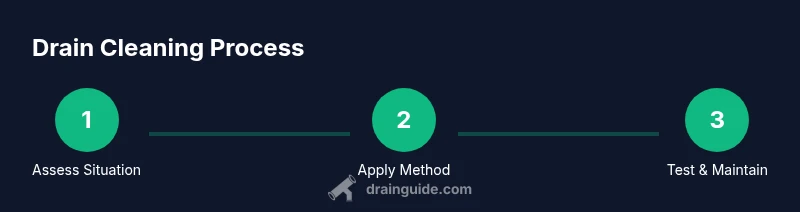
Assess the drain and prep the area
Inspect the drain location and determine if it’s a sink, tub, or shower drain. Clear the surrounding area, place towels down, and gather the tools you’ll need. Remove any visible hair or debris that’s easily reachable with gloved hands.
Tip: Wear protective gloves from the start to avoid contact with dirty water. - 2
Protect yourself and the workspace
Put on gloves and goggles. Place a bucket under the trap or P-trap if you’ll disassemble it, and have rags ready to catch splashes. This reduces mess and protects your hands from sharp edges.
Tip: Ventilate the area if using chemical cleaners, even enzymatic options. - 3
Try a mechanical plunge
Seal the drain with the plunger and push firmly to create pressure. Use vertical strokes and maintain the seal. If air bubbles appear, adjust your seal and try again.
Tip: For toilets, use a flange plunger for a better seal and more effective pressure. - 4
Run the drain snake if needed
Insert the snake and rotate while feeding it into the pipe. When you feel resistance, pull back slightly and reattempt, then continue to feed and rotate until you break through.
Tip: Do not force the snake; excessive force can damage pipes. - 5
Flush and test the drain
Remove tools, run hot water down the drain for several minutes, and observe flow. If it runs clear and quickly, the clog is likely cleared. Re-test with the faucet or fixture to confirm.
Tip: If water still drains slowly, repeat the snake step or consider enzymatic cleaners as a final flush. - 6
Document and schedule maintenance
Note what method worked and when you performed maintenance. Create a small routine: screens, monthly gentle flush, and a yearly check for pipe integrity.
Tip: Keep a simple log to spot recurring issues early.
Got Questions?
Is it safe to use chemical drain cleaners?
Chemical drain cleaners can corrode pipes and harm septic systems; they should be used sparingly and as a last resort. Prefer mechanical methods or enzymatic cleaners for routine maintenance.
Chemical cleaners are risky for pipes and septic systems. Use mechanical methods first and enzymatic cleaners for routine maintenance.
Can baking soda and vinegar really clear a clog?
Baking soda and vinegar may help with minor buildups, but they rarely clear stubborn clogs. Use them as a light flush after mechanical cleaning, not as the sole solution.
Baking soda and vinegar can help a little, but they often won't clear a tough clog. Use them after mechanical cleaning as a maintenance flush.
When should I call a plumber for a clog?
Call a plumber if multiple drains are clogged, you smell sewage, or water backs up after DIY attempts. Professional evaluation can identify root causes like pipe damage or tree roots.
Call a plumber if several drains clog together or sewage odors appear. A pro can diagnose root causes and prevent further damage.
Will a drain snake damage old pipes?
A hand auger used correctly minimizes risk, but forcing a snake can scratch or puncture pipes, especially in older systems. Follow manufacturer instructions and stop if resistance increases.
A properly used drain snake is generally safe, but don’t push hard into stubborn clogs. If unsure, stop and consult a pro.
Are enzymatic cleaners safe for septic systems?
Enzymatic cleaners are typically safer for septic systems than chemical cleaners, but always follow product guidelines and avoid overuse. They work best for preventive maintenance and light clogs.
Enzymatic cleaners are usually gentler on septic systems, but use per the label and don't rely on them for major blockages.
Watch Video
The Essentials
- Identify clog type and choose the safe method
- Prioritize mechanical methods before cleaners
- Always test flow after cleaning
- Maintain drains regularly with screens and gentle flushes
- Call a pro if backups persist or odor remains