How to clean drain pipes: DIY guide for home drains
Learn practical, safe methods to clean drain pipes at home with step-by-step guidance, tools, and maintenance tips to prevent clogs, odors, and costly repairs.


By following this guide, you will safely clean drain pipes using common household tools, without relying on harsh chemicals. You’ll learn natural methods, mechanical techniques, and preventive steps to keep kitchen and bathroom drains flowing smoothly, reducing backups and odors while protecting your plumbing and septic system, and you'll know when to escalate to professional help.
Why clean drain pipes matter
Regularly cleaning drain pipes matters because it reduces the risk of clogs, backups, odors, and costly water damage. Over time, soap scum, hair, grease, and food particles can accumulate in traps and pipes, forming a stiff, resistant blockage. By proactively keeping drains clean, you maintain better flow, protect your home's sewage system, and extend the life of your fixtures.
According to Drain Guide, keeping drains clean isn't about a single magic trick; it's a routine that combines safe techniques, the right tools, and a little patience. The Drain Guide team found that most minor clogs respond to non-chemical methods and routine maintenance rather than harsh chemical cleaners. This approach also supports septic systems and reduces chemical exposure in living spaces. In this article, we'll cover practical methods you can apply today, with clear steps and safety tips. You'll see how simple habits and a basic toolkit can prevent bigger problems down the line.
Understanding common drain types
Drain systems vary by location and fixture, but most homes share core components like the P-trap, trap arm, and waste line. The P-trap holds a small amount of water to block sewer gases, while the trap and pipe materials (PVC, ABS, metal) influence how buildup forms and how you should clean. Shower and tub drains often collect hair and soap scum, kitchen sinks accumulate food debris and grease, and laundry troughs can carry lint and fibers. Understanding these differences helps you apply the right technique without harming pipes. Regular inspections can spot corrosion, loose fittings, or signs of leakage before a clog becomes a backup.
Effective, safe cleaning methods
There are several safe ways to clean drain pipes that avoid harsh chemical cleaners. Start with mechanical methods like plunging or using a drain snake, followed by hot water flushes and gentle cleaning agents. Baking soda and white vinegar create a fizzing reaction that can help loosen residues, while enzymatic cleaners designed for septic systems break down organics over time without harming pipes. Always prioritize non-chemical approaches first, especially if you are on a septic system. Drain Guide emphasizes a routine combining physical methods, water flushes, and regular maintenance to keep drains clear.
Mechanical methods you can use
Mechanical methods provide immediate results for many clogs. A cup plunger works well for sinks and showers, while a flange plunger is better for toilets. When using a drain snake or hand-crank auger, insert it gently and rotate while applying steady pressure to break up the blockage. If you remove the trap under a sink, be prepared for standing water and wear gloves. Keep a bucket handy to catch spills and debris, and never force the tool beyond the bend of the pipe. These techniques are effective for most residential clogs when done patiently and carefully.
Chemical cleaners: safety and guidelines
Chemical drain cleaners can be tempting, but they carry safety risks and can damage pipes if misused. Never mix cleaners, especially those containing bleach with acids or ammonia. If you choose a cleaner, prefer products labeled for your pipe material and septic system compatibility, and follow the manufacturer instructions closely. Use chemical cleaners as a last resort and only for clearly defined, non-backup clogs. In many cases, non-chemical methods are sufficient and safer for your home and the environment. Drain Guide recommends prioritizing mechanical methods and water flushing over chemical treatments for routine maintenance.
Preventive maintenance and routine care
Prevention is the best cure for frequent clogs. Use drain strainers to catch hair and food particles, run hot water down drains after cooking or washing greasy dishes, and schedule regular flushes with hot water. Periodically treat drains with baking soda and a mild amount of vinegar, then flush with hot water to keep residues from building up. If you have a garbage disposal, run it with cold water and avoid disposing of grease or fibrous materials. A simple monthly routine can dramatically reduce the chance of a backup and preserve your plumbing.
When to call a professional
If a clog recurs after DIY attempts, if you notice sewage backups, or if you suspect a venting issue or pipe damage, call a licensed plumber. Persistent blockages may indicate deeper problems in the main line or sewer system that require professional equipment and expertise. Drain Guide’s position is to escalate when DIY methods fail to restore normal flow or when safety concerns arise, such as suspicious odors or standing water near electrical fixtures.
Quick-start checklist for DIY drainage care
- Inspect the area and wear safety gear before starting
- Remove accessible traps and clear obvious debris
- Try baking soda and hot water, then follow with vinegar and a wait period
- Plunge the drain using appropriate plunger type
- Use a drain snake for deeper clogs; do not force past resistance
- Rinse with hot water and test all relevant drains
- Clean up and document any recurring issues for future reference
Common mistakes to avoid
Common mistakes include using chemical cleaners as a first resort, mixing cleaners, ignoring a growing odor or slow drain, and attempting to disassemble plumbing without turning off water lines. Rushing or forcing tools can damage pipes and fixtures. Drain Guide's verdict is to prioritize mechanical methods and safe maintenance, and to seek professional help when a clog persists beyond reasonable DIY attempts.
Tools & Materials
- Rubber gloves(Protect hands from grime and chemicals)
- Safety goggles(Shields eyes from splashes)
- Bucket(Catch water and debris)
- Flashlight(Inspect dark pipes and traps)
- Cup plunger(For sinks/showers)
- Toilet plunger (flange)(For toilets)
- Drain snake / hand-crank auger(Clear deeper clogs)
- Toilet auger (optional)(Use if toilet clog is stubborn)
- Baking soda(Powdered base for fizzing action)
- White vinegar(Acidity helps loosen gunk)
- Boiling water(Hot water for flushing residues)
- Enzymatic drain cleaner (optional)(Safer option for septic systems)
- Mop or towels(Clean up spills and drips)
Steps
Estimated time: 60-90 minutes
- 1
Prep and safety
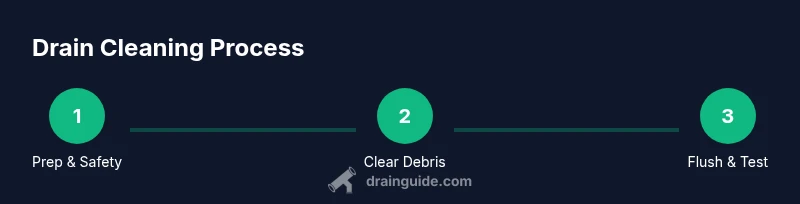
Put on rubber gloves and safety goggles. Clear the area around the sink or drain to avoid losing small parts. Keep a bucket nearby for any collected water. This upfront prep reduces mess and protects you while you work.
Tip: Keep a towel handy for quick spills. - 2
Inspect the trap
Place a bucket under the trap and carefully loosen the connections to reveal the trap. If accessible, remove the trap and check for obvious blockages such as hair, soap, or food debris. Reattach securely after clearing.
Tip: Take a photo of the trap orientation before removal to ensure proper reassembly. - 3
Clear visible debris
Use gloved hands or a small brush to remove visible debris from the drain opening and trap area. Avoid forcing objects further into the pipe. This reduces clog size and eases subsequent steps.
Tip: Dispose of debris in the trash, not the sink. - 4
Baking soda and hot water
Pour a generous amount of baking soda into the drain, then flush with hot water to help loosen greasy residues. This non-chemical step is gentle on pipes and works well for routine maintenance.
Tip: Aim the stream at the center of the drain to maximize contact. - 5
Add vinegar and wait
Follow with white vinegar and let the fizzing action work for several minutes. This helps break apart organics embedded in the pipe walls. Don’t mix with any other cleaners during this period.
Tip: Avoid covering the drain fully; allow venting so fizz can escape. - 6
Plunge the drain
Place the plunger over the drain, seal tightly, and pump with steady pressure. Remove the plunger to observe whether the flow improves. Repeat as needed, but don’t overdo it and force the seal.
Tip: Use circular, controlled motions rather than heavy, abrupt thrusts. - 7
Use a drain snake for deeper clogs
If the clog persists, insert the drain snake and rotate while pushing gently to break up the blockage. Retract slowly, removing debris as you go. This method reaches deeper into the pipe than plunging alone.
Tip: Do not force past resistance; back off and reorient if you feel strong resistance. - 8
Flush, test, and reassemble
Run hot water for several minutes to flush loosened material and confirm flow. Reassemble any traps you removed and test the drain with running water. Check other nearby drains for similar issues.
Tip: Keep monitoring for a day; a lingering slow drain may indicate a larger issue. - 9
Escalate if needed
If the drain remains sluggish after all DIY steps, consider calling a licensed plumber. Persistent clogs may indicate deeper problems in the main line or venting system.
Tip: Document your methods and results to discuss with the pro.
Got Questions?
What is the best method to clean drain pipes?
For most homes, start with plunging and snaking to physically clear the clog, then flush with hot water. If needed, follow with baking soda and vinegar and finish with a water flush. Reserve chemical cleaners for rare cases.
Start with plunging or snaking, then flush with hot water. Use chemical cleaners only as a last resort.
Can baking soda and vinegar clear a clog?
Baking soda and vinegar can help with mild, organic buildup and are gentler on pipes. They are not a universal fix for stubborn clogs. If the flow does not improve after their use, move to mechanical methods.
Baking soda and vinegar can help mild buildups, but they may not fix stubborn clogs—try mechanical methods first.
Is it safe to use chemical drain cleaners?
Chemical drain cleaners can damage pipes or septic systems if misused. Use them sparingly, follow directions, and never mix with other cleaners. Prefer non-chemical methods when possible.
Chemical cleaners can harm pipes; use them sparingly and follow directions closely.
How often should I clean drains to prevent clogs?
Establish a routine based on usage: monthly maintenance for busy kitchens or baths, quarterly checks for lighter use. Combine with preventive steps like strainers and hot-water flushes.
Do a routine monthly or quarterly depending on usage, with steady preventive care.
What if the clog persists after DIY methods?
If a clog persists after mechanical methods and routine cleaning, the issue may be deeper in the plumbing or main line. Stop attempting aggressive DIY fixes and call a licensed plumber.
If DIY methods fail, call a licensed plumber for deeper issues.
When should I call a professional plumber?
Call a professional if backups continue, if you notice sewage odors, or if you are uncomfortable with any step of the process. A pro can diagnose venting issues and main-line blockages.
Call a pro if backups persist or you suspect main-line issues.
Watch Video
The Essentials
- Start with mechanical methods before chemicals.
- Avoid mixing cleaners; protect pipes and septic systems.
- Regular maintenance prevents most clogs.
- Use a drain strainer to catch hair and debris.
- Call a professional for persistent or complex issues.