Drain Dr: A Homeowner's Step-by-Step Drain Troubleshooting Guide
Learn a practical, safety-first approach to diagnosing and clearing common household drains. Drain Guide shows you step-by-step techniques, essential tools, maintenance tips, and when to call a pro for persistent clogs. drain dr explained in plain language.


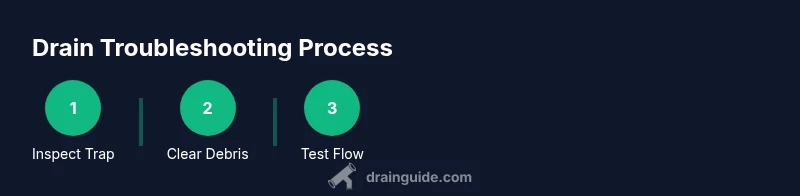
To fix a slow or clogged drain, you’ll diagnose, clear, and test the line end-to-end. Start with safe checks: inspect the P‑trap, remove hair, and then plunge or snake as needed. Finish with a water flush and a quick test. Note the term drain dr often appears in guides, but this article provides step-by-step, homeowner-friendly instructions.
Understanding drain troubleshooting and why it matters
In home maintenance, drain troubleshooting focuses on identifying why a drain isn’t flowing freely and restoring normal function without causing damage to pipes. The sometimes-encountered phrase drain dr can appear in quick guides, but the practical approach stays consistent: inspect, clear, flush, and verify. Debris like hair, soap scum, grease, and mineral buildup are common culprits, especially in kitchen and bathroom traps. Venting issues, outdated pipes, or slow leaks can contribute to gurgling or backups as well. By following a structured process, homeowners can reduce the frequency of clogs, extend the life of plumbing systems, and avoid expensive emergencies. Drain Guide’s team emphasizes safety, planning, and proper tool use to ensure you don’t introduce further damage while clearing a clog.
Safety first: prepare your workspace and protect yourself
Before you begin any drain work, gather a few safety basics. Put on gloves, eye protection if you’re working under sinks, and keep a bucket handy to catch dirty water. Work in a well-lit area and avoid mixing chemical drain products with a physical tool. If you smell gas or see standing sewage, leave the area and contact a professional. Having a flashlight and a clear plan reduces the chance of slips, splashes, or accidental pipe damage. Drain Guide recommends a calm, methodical approach rather than rushing through the steps.
Tools and materials you’ll need (and what counts as essential)
A well-chosen toolkit makes the job easier and safer. The essential items are: a plunger, a manual drain snake or auger, a bucket to catch water, and gloves to keep hands clean. A wrench can help loosen a P-trap, while rags or towels keep the workspace dry. Optional but useful items include a flashlight for visibility, pliers for gripping, and a bottle of vinegar or baking soda for mild maintenance washes. Keep the tools organized so you don’t drop small parts into the drain when you’re working.
Step-by-step approach to clear a clogged drain at home
A methodical approach reduces guesswork and protects your plumbing. Start with the simplest method and progress to more involved options if needed. After you finish, run water long enough to confirm the drain is flowing freely and monitor for any signs of returning clogs.
Step-by-step approach to clear a clogged drain at home (detailed)
-
This section provides a narrative for context and clarity. You’ll discover practical, homeowner-friendly steps, including how to handle the P-trap, when to plunge, and how to responsibly use a drain snake. We’ll also cover what to expect during each action and how to verify success with a test flush.
-
When you’re dealing with multi-drawer sinks or shared plumbing, the approach is similar but you may need to isolate sections to avoid backflow. The key is to stay patient, use the right tool for the job, and avoid forcing parts when resistance is strong. Drain dr guidelines emphasize the value of calm, deliberate actions rather than brute force.
Maintenance and prevention: keep drains clear longer
Preventive steps are easier than repeat emergencies. Periodic flushing with hot water after heavy use, avoiding pouring grease down the drain, and running the disposal (if present) with plenty of water can minimize buildup. Consider cleaning traps every few months and inspecting gaskets for signs of wear. Regular maintenance reduces the likelihood of recurring clogs and keeps your household flowing smoothly. Drain Guide suggests pairing physical cleaning with simple routine checks to extend the life of your pipes.
Odors, gurgling, and what they signal
Unpleasant smells or bubbling sounds are clues that something isn’t right. Foul odors can indicate trapped waste or sewer gases, while gurgling drains may reveal venting problems or partial blockages. Addressing these signals early saves time and money. Start with a thorough trap cleaning and water flush, then observe whether the odor persists after a maintenance flush. If odors persist, explore venting issues or call a professional for a deeper diagnosis.
When to call a professional and what to expect
If you’ve tried basic clogs without success, it’s prudent to consult a licensed plumber. Major clogs, sewer backups, or pipes behind walls require professional equipment and expertise to avoid property damage. A pro will perform tests to identify the blockage location, scope the repair, and discuss options such as camera inspection or pipe replacement if needed. Knowing when to escalate helps protect your home and your budget.
Common mistakes to avoid and how to correct them
Avoid using aggressive chemical cleaners as a first line of defense; they can damage pipes and harm you. Don’t force the snake if you encounter strong resistance—pull back, reassess, and reposition. Always disconnect electrical appliances near wet areas before starting work, keep children and pets away, and never mix cleaners with other solutions. By learning from common missteps, you’ll be more effective and safer when dealing with future drain issues.
Tools & Materials
- Cup plunger(Use a dedicated plunger for drains; seal the opening completely)
- Manual drain snake / auger(Choose a snake with a flexible, corrosion-resistant coil)
- Bucket(Catch dirty water and avoid spills on floors)
- Gloves(Cover to protect hands from grime and chemicals)
- Adjustable wrench(Loosen or tighten the P-trap nuts if needed)
- Rags or towels(Clean up splashes and wipe surfaces)
- Flashlight(Inspect dark corners of the trap and pipes)
- Safety glasses(Optional but recommended for splash protection)
- Vinegar or baking soda (maintenance)(Mild, non-caustic maintenance wash)
Steps
Estimated time: 30-45 minutes
- 1
Assess safety and prepare
Put on gloves and safety glasses, clear the area, and turn off any nearby electrical devices if water is involved. Place a bucket under the trap and gather tools so you don’t have to stop mid-task.
Tip: Double-check the area for any signs of previous leaks before you proceed. - 2
Shut water and access the trap
Turn off the water supply to the sink if you have one, then place a towel under the area. Loosen the P-trap nuts with an adjustable wrench and remove the trap carefully.
Tip: Have the bucket positioned to catch standing water as you disconnect the trap. - 3
Clear the trap debris
Inspect the trap for hair, soap scum, and grime. Use gloved hands or a small brush to clear debris inside the trap. Rinse the trap before reassembling.
Tip: If the trap is corroded or cracked, replace it rather than attempt cleaning. - 4
Snake or plunge the drain
Reassemble the trap loosely and use the plunger to dislodge minor clogs. If unresolved, extend the drain snake into the pipe and rotate to break up hair or buildup.
Tip: Keep the snake straight and avoid forceful twisting to prevent pipe damage. - 5
Test the drain
Reassemble the trap securely, run water, and observe for smooth flow. Check other connected fixtures to ensure the system is clear.
Tip: Run the faucet on both hot and cold to confirm full clearance. - 6
Rinse and tidy
Dispose of debris properly, wipe surfaces, and store tools. If odors linger, consider a gentle maintenance rinse with vinegar or baking soda.
Tip: Document what worked for future reference. - 7
Escalate if needed
If water still backs up or you encounter persistent clogs, stop and call a professional. Provide details about what you tried for faster service.
Tip: Note the location of the clog and any unusual signs like sewage smell. - 8
Verify long-term prevention
Schedule routine maintenance, avoid pouring grease down the drain, and periodically rinse with hot water to prevent buildup.
Tip: Create a simple quarterly maintenance checklist to reinforce good habits.
Got Questions?
What is the best tool to clear a kitchen sink drain?
A cup plunger or sink plunger is typically the first tool to try for kitchen sinks. If the clog persists, a manual drain snake can reach deeper into the pipe. Always start with non-destructive methods.
Usually start with a plunger, then a drain snake if needed.
Can enzyme-based cleaners prevent clogs?
Enzyme-based cleaners are gentler and can help manage organic buildup over time, but they are not a quick fix for a hard clog. Use them as a preventive measure rather than a replacement for mechanical clearing.
They can help prevent buildup but aren’t a quick fix for a clog.
Should I remove the P-trap before plunging?
Removing the P-trap is often necessary to clear the immediate clog and inspect for damage. Reassemble securely to prevent leaks and run water to test.
Yes, removing the trap is often required for a thorough clearance.
Is it safe to use a drain snake on PVC pipes?
Yes, a drain snake can be used on PVC pipes, but avoid forcing it and choose a snake with a flexible coil to minimize damage. If you feel resistance, stop and seek help.
Yes, but don’t force it and be gentle with PVC.
How often should I perform drain maintenance?
Perform light maintenance every few months: run hot water, clean the trap, and inspect for buildup. For households with frequent use, a more frequent routine may be beneficial.
Do light maintenance every few months, more often if needed.
When should I call a professional?
Call a professional if you encounter recurring clogs, backups, or sewer gas. A plumber can diagnose venting issues, inspect pipes, and perform camera inspections if needed.
If clogs keep returning, it’s time to call a pro.
Watch Video
The Essentials
- Inspect the trap before taking other actions
- Use a plunger or snake before chemicals
- Test flow after every major step
- Regular maintenance prevents future clogs
- Call a professional for persistent or tricky issues