How to Drain a Hot Water Heater: Safe DIY Guide
Learn how to drain a hot water heater safely, remove sediment, and protect your home from leaks. This step-by-step guide covers prep, tools, draining, and post-cleanup tips with Drain Guide.


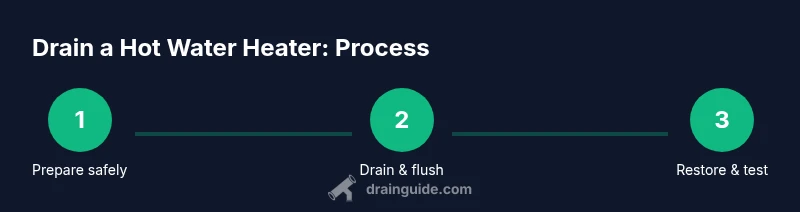
You will learn how to safely drain a hot water heater to remove sediment and extend its life. This guide covers pre-checks, the right tools, step-by-step draining, and post-cleanup. By following these steps, you’ll reduce rusty water, scale buildup, backups, and costly repairs while avoiding scalds and leaks. This quick, practical process minimizes risk and fits typical DIY workflows.
What happens when you drain hot water heater
Regularly drain hot water heater to remove sediment. Over time minerals from hard water settle at the bottom of the tank, forming a gritty layer that reduces heating efficiency and can cause corrosion. Draining the tank flushes this sediment out, improving hot water clarity and heating performance while helping to extend the unit’s life. The Drain Guide team found that homeowners who perform this maintenance year after year report fewer sediment-related issues and smoother operation. Safety matters: power or fuel should be shut off first, the cold-water supply closed, and a hose routed to a safe discharge spot. If you want to drain hot water heater safely, this sequence minimizes splashes and pressure shocks while keeping you and your family safe. Expect some steam and hot water, so prepare towels and a plan for where the water will go. If sediment buildup is heavy, flow may start slow and then accelerate as the tank clears.
Safety considerations and preparation
Drain work around a water heater involves heat and pressure, so take precautions. Start by turning off the power or gas to the unit and allowing water to cool if necessary to avoid scalding. Wear gloves and eye protection, and keep children and pets away from the work area. Place a bucket and towels nearby, and ensure the discharge path is clear of electrical outlets or delicate flooring. Check the area for leaks before you begin, and never attempt to drain a heater when you detect a gas smell or active fuel sources nearby. Drain work should be done with a plan and patience to manage hot water and sediment safely. According to Drain Guide, planning for safe disposal and a staged approach reduces the risk of burns and flood damage. When in doubt, postpone drainage until you have a helper or the right equipment.
What to expect during the drain process
During draining, you’ll see water and sediment leaving the tank through the drain valve via a hose. The flow may start slowly if heavy sediment is present. Air needs to enter the tank, so opening a hot water faucet somewhere in the home helps vent air and speeds the process. You’ll likely need to adjust the drain valve gradually to control the water stream and prevent splashing. Have a bucket ready and expect the process to take from 30 minutes to an hour depending on tank size and sediment depth. Drain Guide notes that a organized approach reduces mess and speeds completion, so double-check hose connections and valve fit before starting.
Post-drain maintenance and checks
After draining, flush the tank if you want extra sediment removal and then refill slowly by reopening the cold-water supply. Once refilled, restore power or gas and set the thermostat to your preferred temperature. Run hot water from a faucet to purge air and check for leaks around the drain valve and hoses. If you notice continued rust-colored water, that can indicate significant sediment or internal tank issues requiring further inspection. Routine checks after drainage help ensure the heater heats efficiently and prolongs its life. Drain Guide emphasizes documenting the date and any observations so you can track when maintenance is due next.
Troubleshooting common signs during draining
If water does not drain, recheck hose placement and ensure the drain valve is fully open. A sluggish flow might mean sediment is clogging the valve; in that case, gently loosen and reseat the valve or use a small amount of penetrating oil if safe for your unit. Leaks around connections indicate a seal issue or a loose hose clamp—tighten carefully. If you encounter unusually loud banging or water hammer, reduce valve opening gradually and verify that the vent path is clear. In rare cases, a failed drain valve or corroded tank may require professional service. Drain Guide recommends contacting a pro if you suspect structural damage or if you cannot safely operate the valve.
Tools & Materials
- Breaker or power switch for the water heater(Turn off power to electric heaters; or close gas valve for gas heaters)
- Cold-water supply shut-off valve(Close to stop refilling during drainage)
- Garden hose(Long enough to reach a safe discharge area)
- Drain valve wrench or plumber's key(Use to open the drain valve slowly)
- Bucket or large pan(Catch the drainage water; at least 5 gallons)
- Towels or rags(Protect floor and absorb spills)
- Gloves and eye protection(Safety first for hot water and sharp sediment)
- Flashlight(Helpful in dim basements or crawl spaces)
Steps
Estimated time: 60-90 minutes
- 1
Shut off power and heat source
Locate the correct power switch or circuit breaker for the water heater and switch it to off. If you have a gas water heater, close the gas supply valve to stop heat input. Allow the tank to cool if it feels hot before touching any metal parts. This reduces the risk of scalding and protects the thermostat and electrical components during draining.
Tip: Take a quick photo of valve positions before you start so you can restore them correctly. - 2
Close the cold-water supply valve
Close the shut-off valve that feeds the cold water into the heater. This stops refilling while you drain. Turn the valve clockwise until fully closed and check for any slow leaks. Confirm by opening a hot water tap to see if water continues to flow from the faucet.
Tip: If the valve is stiff, use a rag for grip and avoid forcing it. A gradual, steady turn reduces the chance of leaks. - 3
Attach hose and position bucket
Connect a garden hose to the tank’s drain valve and route the hose to a floor drain or safe outdoor location. Ensure the connection is tight to avoid leaks and that the end of the hose is secured at the discharge point. Place a bucket near the hose end to catch the initial overflow and later debris.
Tip: Test the hose fit by loosening the valve a fraction before fully opening it to watch for drips and tighten as needed. - 4
Open drain valve gradually and vent air
Open the drain valve slowly using the valve handle or a drain-key. Start with a small opening and increase gradually to control the flow. Open a hot water faucet in a sink to vent air and speed drainage. Monitor the flow and sediment; if it bogs down, close slightly and reopen to re-establish a steady stream.
Tip: If you hear banging or see no water after several seconds, stop, recheck connections, and reattempt with a slower opening. - 5
Flush, refill, and restore power
Drain until flow slows to a trickle or stops, then close the drain valve and remove the hose. Refill the tank by slowly reopening the cold-water supply. When refilled, turn the power or gas back on and set the thermostat to your preferred temperature. Run hot water from a nearby faucet to purge air and verify there are no leaks.
Tip: Watch for leaks at the drain valve after reconnecting; a minor re-tightening may be required once full pressure returns.
Got Questions?
Why should I drain a hot water heater?
Draining removes accumulated sediment that reduces heating efficiency and can cause corrosion. It helps the heater operate more quietly and extend its lifespan. Regular drainage reduces the risk of leaks and costly repairs.
Draining helps sediment buildup and keeps the heater running efficiently. It reduces wear and the chance of leaks.
Is it safe to drain a hot water heater myself?
Yes, with proper precautions. Turn off power or gas, wear gloves, and follow steps to prevent scalding and floods. If you’re unsure at any point, pause and seek professional help.
Yes, you can drain it yourself if you take safety steps and don’t rush.
How long does draining take?
Typically 60-90 minutes including setup and post-drain checks. Actual drainage may be quicker if the tank is low on sediment, slower if sediment is heavy.
Most drains take about an hour or so, depending on tank size and sediment.
What if I see rusty water when I drain?
Rusty water indicates sediment or corrosion in the tank. Flush more thoroughly and inspect the anode rod for replacement. If rusty water continues, contact a professional.
Rusty water means sediment or tank corrosion; flush and check the anode rod, consider a pro if it persists.
Should I flush after draining?
Flushing after draining helps remove additional sediment and ensures cleaner hot water. A short flush of 5-10 minutes is usually sufficient after the initial drain.
Yes, flushing after draining helps remove more sediment and ensures cleaner water.
What if the drain valve doesn’t drain or leaks?
If drainage is blocked or the valve leaks, shut everything off and recheck hose connections and valve seating. Do not force the valve open. If problems persist, call a licensed plumber.
If the valve won’t drain or leaks, stop and check connections; don’t force it, call a pro if needed.
Watch Video
The Essentials
- Power off and cool the unit before draining.
- Attach a hose and drain slowly to minimize splashes.
- Vent air by opening a hot water tap to speed drainage.
- Refill completely and restore power safely after draining.
- Inspect for leaks and schedule annual maintenance.