Drain Master: The Ultimate DIY Guide to Drain Troubleshooting
Learn to diagnose, clear, and maintain household drains with the Drain Master approach. Step-by-step methods, safety tips, and maintenance routines for DIY homeowners.


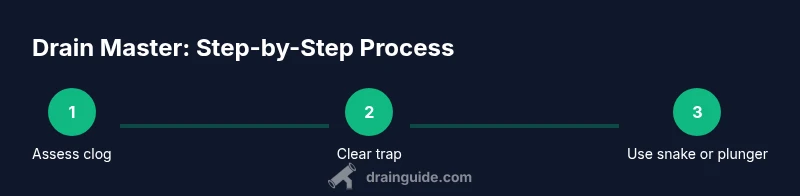
By the end of this guide you'll diagnose and fix common household drain clogs using safe, proven methods. You'll learn when to pull the trap, how to use a drain snake or auger, and how to flush and maintain drains to prevent future issues. This step-by-step approach is ideal for homeowners and DIY enthusiasts.
What is a Drain Master and why it matters
A drain master is a DIY mindset and a practical toolkit for diagnosing, clearing, and maintaining household drains. It combines understanding how drains flow, identifying common clog culprits, and applying proven, safe techniques that avoid unnecessary harm to pipes or the environment. According to Drain Guide, mastering drains begins with curiosity, preparation, and a clear plan. This approach helps homeowners save time, reduce frustration, and minimize the risk of water damage. In this guide, drains are treated as systems rather than isolated problems; when you know where a clog starts and how the path through the pipes works, you can choose the right method with confidence. The goal is not only to fix the current blockage but to implement routines that prevent future issues. With the Drain Master mindset, you will be more intentional about what goes down every sink, how your traps are maintained, and when to escalate to a professional if a problem persists beyond basic troubleshooting.
Common causes of clogged drains
Clogs form from a mix of everyday use and neglect. In kitchen drains, grease, oil, coffee grounds, and food particles can build up into a stubborn blockage. Bathroom sinks and showers often clog from hair, soap scum, and mineral deposits; toilets can back up due to wipes, feminine products, or excessive toilet paper. Over time, mineral buildup—especially in areas with hard water—adds to the resistance, reducing flow and making clogs harder to remove. Foreign objects accidentally dropped into drains, such as small toys or jewelry, are another frequent cause. Understanding these culprits helps you tailor your approach: mechanical methods work best for many hair-and-grease clogs, while prolonged mineral buildup might require a different strategy.
Understanding drain paths and traps
To master drains, you must understand the path water takes through your home. The P-trap under sinks is a crucial water seal that prevents sewer gases from entering living spaces. If the trap is dry or blocked, air and odors can flow back, and water flow may slow dramatically. Behind walls, a vent stack helps air enter the system to prevent pressure buildup; a blocked vent can create gurgling sounds and slow drainage. The main sewer line carries everything away from your home, and blockages there can affect multiple fixtures. A Drain Master approach emphasizes tracing the flow from the fixture to the main line, identifying where the clog anchors, and selecting a method that targets that specific point without damaging pipes.
Safe, effective tools and techniques
The Drain Master toolkit emphasizes safety first. Wear gloves and eye protection, and keep a bucket handy to catch water. Start with a plunger designed for the fixture (cup plunger for sinks, flange plunger for toilets) to generate pressure. For stubborn clogs, a hand-crank drain snake or a powered auger can reach deeper into the line. Enzymatic cleaners and hot-water flushes can help clear organic buildup, but avoid mixing chemicals with mechanical methods to prevent dangerous reactions. Always test the drain after each method and stop if you notice unusual noises, strong odors, or leaks. This section sets you up to choose a method confidently and safely.
Choosing between methods for different scenarios
Mechanical methods—plungers and snakes—handle most hair, soap scum, and food-based clogs effectively. Enzymatic cleaners are gentler on pipes and useful for ongoing maintenance, but they may take longer to work and aren’t a cure-all for severe blockages. Chemical drain cleaners should be a last resort due to potential pipe damage and environmental impact; never mix cleaners with other chemicals or with a snake, as dangerous reactions can occur. For toilets, a flange plunger or toilet auger is often the best first step; for kitchen sinks, a flexible snake can clear grease better than a plunger alone. The Drain Master approach honors the fixture, the expected material in the line, and the pipe materials involved, reducing the risk of damage.
Maintenance routines to prevent clogs
Prevention is easier than remediation. Create a weekly habit of clearing hair from bathroom drains with a screen or stopper, and wipe grease from kitchen surfaces before washing dishes. Run hot water down drains after cooking and cleaning to keep fats moving. Periodically flush traps with a mixture of baking soda and vinegar followed by hot water to disrupt buildup without harsh chemicals. Record any recurring issues and adjust your approach—sometimes a recurring clog signals a deeper issue like pipe sizing or venting problems that need professional attention. A Drain Master routine keeps drains flowing smoothly and reduces the chance of expensive emergency calls.
When to call a professional and what to expect
Some clogs resist DIY approaches, especially when multiple fixtures are affected or there are signs of sewer backups. If you’ve attempted basic plunging and snaking without success for a day or two, or you notice foul odors, bubbling, or wastewater backing up into multiple fixtures, it’s time to contact a licensed plumber. A professional will perform camera inspection, assess venting, and determine if pipe damage, root intrusion, or collapsed lines are the cause. Expect a clear diagnosis, an upfront estimate, and an explanation of recommended fixes. The Drain Master mindset still applies: know when to escalate, and keep safety and prevention in mind throughout the process.
Tools & Materials
- Drain snake (hand auger)(6-10 ft flexible snake with a wheel-type handle and cutter head)
- Plunger (cup for sinks, flange for toilets)(Choose based on fixture; ensure a proper seal)
- Bucket(To catch water and debris)
- Gloves (rubber or nitrile)(Protect hands from grime and chemicals)
- Adjustable wrench(Helpful for removing trap nuts or access panels)
- Dish soap or mild cleaner(For post-cleanup residue; not strictly essential)
- Old towels or rags(Contain spills and cleanup)
Steps
Estimated time: 75-90 minutes
- 1
Prepare and safety check
Put on gloves and eye protection. Clear the area around the drain, remove any decorative items, and place a bucket under the trap. If the fixture is near electrical outlets or appliances, ensure power is off to avoid shocks. Gather tools and inform household members to avoid accidental water spills during the process.
Tip: Never mix chemical cleaners with mechanical methods; this can create hazardous fumes or pipe damage. - 2
Inspect trap and access
Place a towel under the trap and slowly loosen the nuts with an adjustable wrench if needed. Remove the trap carefully and inspect for accumulated debris. If the trap is full of foul water, slowly pour it into the bucket and wear gloves during the process.
Tip: Take a quick photo of the trap setup before disassembly to aid reassembly. - 3
Plunge the drain
Seal the drain with the plunger and apply steady, vigorous pressure to create a vacuum. Lift and plunge repeatedly for 20-60 seconds, then test the drain by running water. If the blockage remains, move to the next method rather than forcing a continuation of plunging.
Tip: Use a plunger suited to the fixture to maximize suction and avoid splashing. - 4
Feed the drain snake
Insert the snake into the drain and rotate the handle clockwise to advance the head into the pipe. When resistance is felt, pull back slightly and continue to push forward, repeating until you break through or remove debris. Retract slowly when you feel the clog loosen.
Tip: Keep the snake end inside the pipe and avoid twisting too aggressively to prevent pipe damage. - 5
Flush and test
Run hot water through the drain to clear any remaining debris. If you have a kitchen drain, repeat snaking if necessary, then flush again. Check other fixtures to ensure the system is draining evenly.
Tip: Pour hot water in stages to avoid sudden pressure surges that could spill onto cabinets or floors. - 6
Cleanup and maintenance
Reassemble the trap, wipe down the area, and store tools properly. Consider installing a screen or hair catcher to mitigate future clogs. Record what you did and any observations for future reference.
Tip: Document recurring issues and sharable notes for future maintenance cycles.
Got Questions?
What is the most common cause of a clogged kitchen sink?
Grease and food debris often accumulate in kitchen lines, forming stubborn blockages. Regular maintenance and screens can reduce this buildup. If the clog persists, consider mechanical methods first before chemicals.
Grease and food debris are the usual culprits in kitchen clogs. Use screens and regular flushing to prevent buildup, and try mechanical methods first if it’s stubborn.
Can I use chemical drain cleaners safely as a DIY solution?
Chemical cleaners can damage pipes and septic systems if misused. They should be a last resort and never mixed with other cleaners or with a plumber’s snake. Always follow product instructions and ventilate the area.
Chemicals should be a last resort and used with caution. Don’t mix cleaners, and follow the label exactly.
When should I replace pipes instead of trying to clear a clog?
If clogs recur despite multiple attempts, or if you notice persistent odors, leaks, or water backups, it may indicate pipe damage or root intrusion requiring professional assessment and possible replacement.
Recurring clogs or new leaks may mean you need a professional assessment for potential pipe replacement.
Is flushing with hot water effective for all clogs?
Hot water helps dissolve grease and soften buildup in many cases, but it won’t fix solid obstructions or root intrusion. Combine hot water with mechanical methods for best results.
Hot water helps with grease buildup but isn’t a cure for solid blockages; use it with other methods.
What safety precautions should I follow when DIY draining?
Wear gloves and eye protection, avoid mixing cleaners, and ventilate the area. Keep children and pets away during cleaning, and disconnect any nearby electrical devices if water exposure is possible.
Wear protection, avoid mixing cleaners, and keep kids away while you work.
What is the difference between a drain snake and an auger?
A drain snake is a flexible tool used for minor clogs, while an auger is a more robust device designed to tackle deeper obstructions. Both can be effective when used correctly, but the choice depends on the clog location and pipe type.
A snake is great for light clogs; an auger digs deeper into the line for tougher blockages.
Watch Video
The Essentials
- Identify the clog location by tracing the drain path.
- Choose mechanical methods before chemicals for safety and pipe health.
- Regular maintenance reduces the frequency of clogs.
- Document procedures for future reference and faster fixes.
- Know when to call a pro if blockages persist.