Drain Problem in AC: Quick Fixes and Step-by-Step Troubleshooting
Learn how to diagnose and fix a drain problem in AC quickly. This guide covers common causes, safe checks, a step-by-step fix, and prevention tips to stop leaks and mold growth.


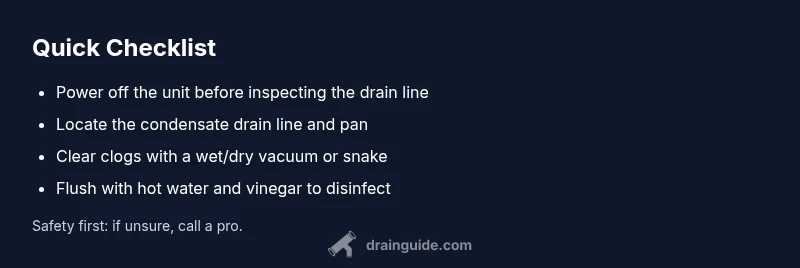
According to Drain Guide, the most common drain problem in AC is a clogged condensate line, which can cause leaks and poor drainage. The quickest fix is to safely power down the system, locate the condensate drain, and clear the line with a wet/dry vacuum or a flexible snake, followed by a vinegar rinse if safe. If you still see leaks, stop and call a pro.
Understanding the drain problem in AC
A drain problem in AC can manifest as a damp ceiling, water pooling near the air handler, or a discharge from the condensate line. The condensate system is supposed to remove humidity as the unit cools, but a blocked drain line interrupts this flow, leading to leaks and potential mold growth. According to Drain Guide, the most common cause is a clogged condensate line caused by algae and mineral buildup, especially in humid environments. That clog creates backpressure, causing water to back up into the pan or overflow the drain. Left unchecked, it can damage ceilings, walls, and electrical components, and can trigger safety switches that shut the unit off. This guide walks you through safe checks, a practical diagnostic flow, and a step-by-step fix for the typical clog, plus prevention tips to keep your system dry and efficient.
Common causes of AC condensate drain clogs
Condensate drain clogs don’t appear out of nowhere. The leading culprits are algae growth and biofilm that line the condensate path when warm, moist air contacts cool metal. Mineral buildup from hard water can also form crusty deposits inside lines and traps. A misrouted, kinked, or crushed drain line restricts flow and causes backups. A faulty or missing condensate trap or an inverted slope in the drain pan can trap water and accelerate clogging. In systems with a condensate pump, a failed float switch or a worn-out pump may stop upward discharge, letting gravity drain back instead. Finally, seasonal debris like dust, lint, and insects can nest in the line, adding to the blockage. Knowing these causes helps you test each part systematically without guessing.
How humidity and climate influence clogging
High humidity and hot summers intensify condensate production, increasing the load on the drain system. In coastal or mineral-rich regions, mineral scale forms more quickly, accelerating blockages. Repeated short cycling of the compressor due to temperature swings can also drive condensation in crevices where grime gathers. In homes with soft water or mineral-rich supply, deposits inside the line may accumulate faster. Regular maintenance is especially important in such climates to prevent a small clog from becoming a major leak.
Quick checks you can do safely (before you touch the line)
First, power off the AC at the thermostat and the main electrical panel. Inspect the indoor air handler area for obvious signs of water pooling, damp insulation, or a saturated drain pan. Locate the condensate drain line; check whether the line is visibly blocked, kinked, or obstructed by debris. If you can access the trap, verify it isn’t dry or cracked. Look for alarms or safety switches (float switch or overflow switch) that may have tripped. These quick checks help you decide whether you can proceed safely or you should pause and call a pro.
Diagnostic flow to pinpoint the cause
To diagnose a drain problem in AC, follow a simple flow: symptom → inspection → diagnosis → solution. Start with water pooling or overflow as the symptom, then inspect the line, pan, trap, and any pump present. The diagnosis should identify obstruction, misalignment, or pump failure. The solution may involve clearing a clog, correcting slope, or replacing a pump. This flow minimizes unnecessary disassembly and keeps safety in focus. Drain Guide recommends starting at the drain line with basic cleaning and moving toward the pump only if the line remains clear. If you detect mold or persistent leaks after cleaning, escalate to professional service.
Prevention tips to keep the condensate drain clear
- Regular maintenance reduces future clogs by addressing buildup before it becomes a problem.
- Flush the line gently with hot water and a mild vinegar solution every season to reduce biofilm.
- Ensure the drain line has an appropriate slope (about a quarter inch per 10 feet).
- Keep the drain pan clean and inspect the P-trap for corrosion or cracks.
- Consider a drain alarm or secondary safety device if you have a history of leaks.
- Replace worn components promptly to avoid repeated failures.
When to call a professional and safety reminders
If you’re unsure about electrical connections, uncomfortable with disassembly near the blower, or the line remains clogged after safe home fixes, call a licensed HVAC technician. A pro can test the condensate pump, check for leaks in the refrigerant circuit, and ensure the slope and trap are correct. Always shut off power before inspecting any part, and never bypass safety switches. Addressing drain problems early protects your home from water damage and mold.
Steps
Estimated time: 60-90 minutes
- 1
Power down and locate drain line
Turn off power to the AC at the thermostat and the main breaker. Find the condensate drain line near the air handler and identify the access port and drain pan.
Tip: Label the line so you don’t mix up lines during testing. - 2
Check access and pan condition
Inspect the drain pan for standing water, confirm the line isn’t visibly broken, and verify the line is accessible from the air handler. If the trap is dry, water may be needed to seal it.
Tip: A dry trap means air can bypass the water seal, allowing odors and backflow. - 3
Clear the line with a vacuum
Attach a wet/dry vacuum to the drain outlet and run it for 1–2 minutes to suck out the clog. Seal the connection to maximize suction. If you feel resistance, stop and reassess.
Tip: Vacuuming from the drain port is safer than pushing objects through the line. - 4
Flush with hot water and vinegar
Mix hot water with a mild vinegar solution (1:3 ratio) and flush the line to dissolve biofilm. Do not use harsh chemical cleaners unless the manufacturer allows them.
Tip: Vinegar is effective and gentler on most condensate systems. - 5
Check the P-trap and slope
Inspect the P-trap for debris or wear; ensure it remains filled with water to maintain the seal. Confirm the drain line slope is about 1/4 inch per 10 feet to promote flow.
Tip: A blocked or dry P-trap is a common source of slow drainage. - 6
Test the condensate pump (if present)
If your system uses a condensate pump, test the float switch and verify the pump triggers when water reaches the switch. Listen for the pump operation.
Tip: A stuck float switch is a frequent pump failure cause. - 7
Reconnect power and run a test cycle
Restore power and run the AC for 10–15 minutes. Observe the drain for leaks and verify that water is exiting the line rather than backing up.
Tip: Watch for any fresh signs of water near the unit during test runs. - 8
Escalate if leaks persist
If leaks continue after completing these steps, or you’re uncomfortable with any step, contact a professional technician.
Tip: Pro help can safely test refrigerant lines and electrical connections.
Diagnosis: AC condensate line leaks, water pooling near air handler, or overflow drain pan
Possible Causes
- highClogged condensate line from algae/biofilm or mineral buildup
- mediumBlocked or misaligned P-trap
- lowFaulty or blocked condensate pump (if your system uses one)
- lowDrain line kinked or crushed (poor slope)
Fixes
- easyClear clog from the condensate line using a wet/dry vacuum at the access port
- easyFlush line with hot water and a mild vinegar solution to dissolve biofilm
- easyInspect and correct P-trap orientation and clear blockages
- mediumTest condensate pump or replace if failed; verify float switch operation
- mediumImprove drain line slope and install secondary overflow protection if needed
Got Questions?
What is the condensate drain, and why does it matter?
The condensate drain removes moisture from the air as the AC operates. If it clogs, water leaks can occur and the system may shut off to protect itself.
The condensate drain carries moisture away from the air conditioner; when it clogs, leaks can happen and the system may shut off.
Can I use bleach to unclog the drain line?
Bleach is generally not recommended in condensate lines because it can damage components and create fumes. Use vinegar and hot water instead, following manufacturer guidance.
Bleach isn’t usually advised for condensate lines; vinegar and hot water is safer for most setups.
How do I know if the condensate pump is failing?
Common signs are water leaks around the unit, a float switch not triggering, or the pump running without moving water. A professional can test the pump.
Look for leaks or a pump that won’t start, and have a tech test the switch and motor if needed.
Is a clogged drain always caused by algae?
No—drain clogs can result from algae, mineral buildup, debris, and improper drain slope. Inspect each part to find the actual cause.
Clogs can be due to algae, minerals, debris, or bad slope—check all parts.
When should I call a professional for a drain problem in AC?
If you cannot access the line safely, the clog persists after simple home fixes, or you notice electrical signs or refrigerant issues, hire a licensed HVAC technician.
Call a pro if you can’t fix it safely or if leaks keep happening.
How can I prevent future condensate drain clogs?
Regular maintenance, gentle line flushes, proper slope, and timely pump checks reduce risk. Consider a drain alarm for early warnings.
Regular maintenance and gentle flushing along with proper slope helps prevent clogs.
What is a common sign of a drain problem other than leaks?
Gurgling sounds, musty odors near the unit, or a sudden drop in cooling efficiency can signal a drain issue.
Gurgling noises or musty smells can mean a drain issue.
Watch Video
The Essentials
- Inspect the condensate line first.
- Avoid harsh chemicals; vinegar works for many lines.
- Check P-trap and line slope regularly.
- Call a pro if leaks persist or you’re unsure about safety.