Drain Pump Samsung Washing Machine: A Practical Guide
Learn how to diagnose and replace the drain pump in a Samsung washing machine with a clear, step-by-step guide. Safe tips, tools, and maintenance to keep your laundry flowing smoothly, from Drain Guide.


With this guide, you’ll locate a clogged or failed drain pump in your Samsung washing machine, safely disconnect power, drain remaining water, and replace the pump or clear the impeller so your washer drains normally again. You’ll need basic tools and a replacement kit compatible with your model. Follow the step-by-step process to avoid water damage, and confirm drainage by running a test cycle.
What a drain pump does in a Samsung washing machine
The drain pump in a Samsung washing machine moves used water out of the tub after each cycle. If water remains in the tub, you may hear buzzing or notice slow draining. According to Drain Guide, many drain-pump failures are caused by clogs or debris in the impeller or by wear on the motor windings. This section explains how to diagnose the issue and begin safe repairs, so you can restore proper drainage without relying on costly service calls. The topic keyword drain pump samsung washing machine appears here to anchor the discussion for readers and search engines. Proper maintenance now can reduce the risk of water damage and extend the life of your appliance.
Symptoms of a failing drain pump
Typical signs include water backing up in the tub, the pump running continuously without draining, or unusual grinding or clicking noises during the drain phase. If you notice any of these, turn off power at the breaker and unplug the unit before inspection. Quick checks like listening for water flow through the drain hose and verifying the filter or debris screen are useful, but a definitive diagnosis usually requires inspecting the pump and its impellers. Drain Guide emphasizes safety and methodical testing to avoid unnecessary part replacements.
How to prepare for failure prevention
Regular maintenance reduces the likelihood of pump-related drainage problems. Clean the lint filter and pump screen after every few loads. Avoid flushing large items or excessive debris down the drain, and consider a periodic rinse cycle that helps remove trapped debris. The drain pump samsung washing machine topic benefits from proactive care by homeowners who catch clogs early and perform gentle, model-appropriate maintenance.
Accessing the drain pump: safe entry points
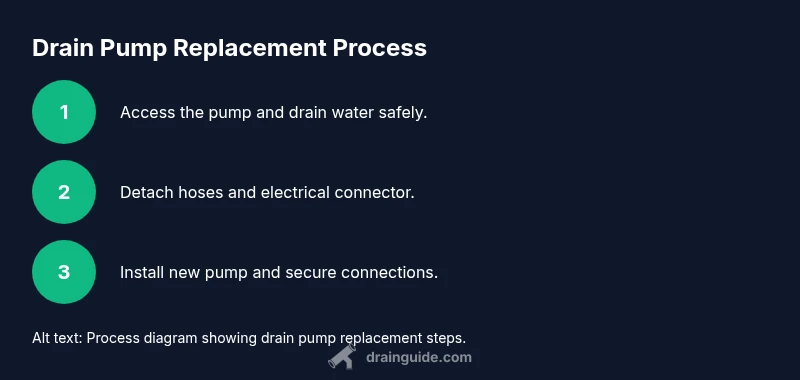
Most Samsung washers provide access via the rear panel or a front-access pump filter panel. Before you start, move the machine away from the wall to access wiring and hoses safely. Disconnect from the power source, then turn off the water supply valves. This preparation minimizes the risk of electric shock and water spray. Review your model’s service manual if available; always work with the correct panel to avoid internal damage.
What to inspect when you reach the pump
Carefully inspect the pump housing for cracks, a loose impeller, or foreign objects lodged in the impeller blades. Check the inlet and outlet hoses for kinks, blockages, or collapsed sections. Detach the electrical connector only after you’ve drained remaining water and discharged any residual voltage by touching a grounded surface. Dirt, hair, and small items can jam the impeller and cause a drag on the motor.
What comes next: repair vs replacement decisions
If the impeller is damaged or the motor shows signs of failure (burnt smell, overheating, or persistent electrical issues), replacement is usually the best option. If the issue is a clog, clearing the passage and cleaning the housing may restore function. When in doubt, consult your model’s parts diagram to confirm compatibility and avoid buying the wrong pump.
Verdict: quick summary of best practices
For most Samsung models, a clogged pump is a common drain problem that homeowners can fix with basic tools. When replacing, ensure you have the correct pump compatible with your model and follow a careful reassembly sequence. Drain Guide’s approach emphasizes safety, correct hose connections, and a post-repair test cycle to verify success.
Tools & Materials
- Replacement drain pump compatible with Samsung front-load washing machines (model-specific)(Confirm compatibility by checking model number and pump part number in the user manual or online parts diagram)
- Phillips head screwdriver #2(Needed to remove back panel or access plate screws)
- Nut driver set (1/4 inch)(Used for securing hoses or mounting brackets)
- Pliers(Helpful for hose clamps and retaining clips)
- Towels or a shallow bucket(Catch any remaining water when you open the drain path)
- Multimeter (optional)(Test for continuity if you suspect electrical failure)
- Silicone sealant or hose clamps(Tighten and seal hose connections if needed during reassembly)
Steps
Estimated time: 45-60 minutes
- 1
Power off and prepare
Unplug the washer from the outlet and turn off the water inlet valves. Move the machine away from the wall to access the panels safely. Have towels ready to absorb any residual water.
Tip: If you’re nervous about electricity, use a non-contact voltage tester before touching any wires. - 2
Access the drain pump
Remove the rear access panel or the front-access pump panel, depending on your model. Keep track of screws and connectors so you can reassemble accurately.
Tip: Take a photo of hose routing before disconnecting anything to avoid misplacement during reassembly. - 3
Drain remaining water
Loosen any drain hose clamps and place the hose into a bucket or towel-lined tray. Allow water to drain completely before removing the pump.
Tip: Have a second person hold the tray to prevent spills if the tub drains quickly. - 4
Disconnect pump connections
Carefully unplug the electrical connector and detach the inlet and outlet hoses from the pump. Be prepared for some remaining water in the lines.
Tip: Label hoses if possible to ensure correct reattachment. - 5
Inspect and decide
Inspect the pump housing, impeller, and hoses for damage or debris. If the impeller is cracked or the motor shows signs of wear, plan for replacement.
Tip: Use a flashlight and mirror to inspect hard-to-see areas around the impeller. - 6
Replace or clean
If replacing, install the new pump and reconnect hoses and electrical connector. If cleaning, remove debris and reinstall the existing pump in reverse order.
Tip: Ensure hose clamps are snug but not over-tightened to avoid leaks. - 7
Reassemble and test
Reattach the access panel, restore power, and run a test cycle with the washer empty to confirm proper drainage and no leaks.
Tip: Watch for leaks at all hose connections during the first test run. - 8
Final verification
If drainage issues persist, repeat the inspection or consult a professional. Keep the model numbers handy for future parts sourcing.
Tip: Document the model, pump type, and any codes encountered for future reference.
Got Questions?
What are the most common signs of a bad drain pump in a Samsung washer?
Common signs include water remaining in the tub after the drain cycle, loud buzzing or grinding sounds, or the washer failing to drain at all. If you notice any of these, perform the safety steps and inspect the pump and hoses. Replacing the pump often resolves the issue.
Look for water left in the tub, loud noises, or no drainage. If you see these, check the pump and hoses, and consider a replacement if cleaning doesn’t help.
How do I know which pump fits my Samsung model?
Refer to your washer’s model number (usually found on a tag inside the door frame or on the back). Use the official parts diagram or retailer filters to select a pump labeled compatible with your model.
Check the model number and confirm compatibility on the parts diagram or retailer listing.
Can I fix the drain pump without replacing it?
If the issue is a clog in the impeller or debris in the housing, cleaning can restore function. If the motor or housing shows damage, replacement is typically necessary for reliable operation.
Sometimes cleaning fixes it, but damaged pumps usually need replacement.
How long does a drain-pump replacement typically take?
A typical replacement takes about 45-90 minutes for a DIYer with basic tools, depending on access panel location and model design.
Usually under an hour and a half if you have the basics handy.
Is it dangerous to operate the washer if the pump is not working?
Yes. Operating with a non-draining machine can cause water damage and overflow. Avoid running cycles until you address the drainage issue.
Do not run it until you fix the drainage problem to prevent leaks.
What post-repair tests confirm success?
Run a standard washing cycle with an empty drum. Confirm the tub drains completely and there are no leaks at hose connections or the pump housing.
Run a test cycle and watch for complete drainage and any leaks.
Watch Video
The Essentials
- Identify whether the drain pump or impeller is the failure point
- Safely access the pump area with power and water shut off
- Replace with the correct model-specific pump for reliability
- Test drainage thoroughly after repair to prevent leaks
- Prevent future clogs with regular maintenance