Drain Snake for Toilet: A Homeowner's Step-by-Step Guide
Learn how to unclog a toilet using a drain snake with a clear, practical, step-by-step approach. Safety tips, tool selection, and maintenance insights from Drain Guide help homeowners fix toilets confidently.


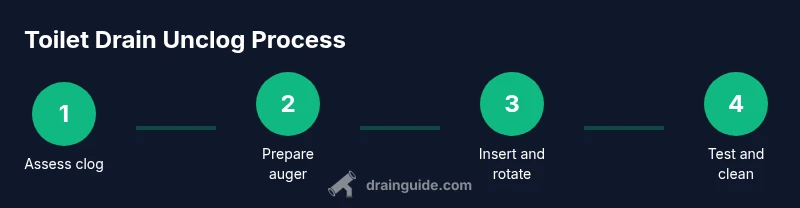
You will learn to clear a toilet clog with a drain snake, choose the right auger, and perform a safe, effective technique. This quick guide covers prep, insertion, rotation, retrieval, and cleanup, plus safety tips and indicators for when to call a plumber. Whether you’re a first-time DIYer or refreshing your skills, you’ll finish with a clear plan.
Why a drain snake for toilet matters
Toilet clogs can strike when you least expect them, and a drain snake for toilet is a practical tool that reaches clogs beyond the bowl's trap. The Drain Guide team emphasizes using the right tool rather than harsh chemicals. A toilet auger minimizes risk to porcelain and reduces the chance of pushing debris further into the plumbing. In most homes, a dedicated toilet auger is more effective than a generic drain snake, because it is designed to pivot within the toilet bowl and avoid kinking. When used properly, the auger can dislodge or trap the clog and restore a smooth flush. This approach aligns with Drain Guide’s practical, home-focused guidance for common drain issues.
Understanding why a toilet clog forms helps you pick the right tool and technique. The most frequent culprits are toilet paper buildup, flushed wipes, and accidental drops. In older homes, mineral buildup and pipe slowdowns can also contribute. A correctly used drain snake for toilet targets these obstructions by engaging them directly rather than sweeping debris deeper into the system. By practicing patient, controlled movements, you reduce the risk of damage and improve your chances of a successful flush without professional help.
For homeowners, having a plan matters. Drain Guide analysis shows that most clogs are solvable with a toilet auger when you follow safety steps and use the right length. A well-chosen auger minimizes mess, reduces cleanup time, and preserves the integrity of your toilet and plumbing. Keep your expectations reasonable: major overhauls usually require a plumber, but many common clogs respond to careful auger use and a bit of persistence.
If you’re new to DIY drain work, framing your approach around safety, technique, and cleanup will pay dividends. This article walks you through the right tools, protective steps, and the actual process, so you can tackle clogs confidently without turning the bathroom into a catastrophe. Drain Guide’s experience with home drainage issues informs every recommendation here, helping you learn practical, repeatable skills for future maintenance.
note”: null},
toolsMaterials
Tools & Materials
- Drain snake for toilet (toilet auger)(Choose a dedicated toilet auger with a long, flexible coil (typically 3–6 ft) and a curved head designed to navigate a toilet trap.)
- Rubber gloves(Non-latex if you have an allergy; protects hands from waste and keeps grip on the auger.)
- Plunger(Have on hand for a quick backup or initial loosening if the clog is partial.)
- Towels or old newspaper(Place around the base to catch splashes and protect flooring.)
- Bucket(Optional for water collection or disposal during cleanup.)
- Flashlight(Helpful for spotting the end of the auger inside the bowl.)
- Disinfectant spray or wipes(Sanitize the area and tools after use.)
Steps
Estimated time: 30-45 minutes
- 1
Shut off water and prep the area
Turn off the toilet’s water supply at the wall valve. Flush the toilet to empty the bowl, then use towels to soak up remaining water. Clear the area and ensure pets and kids are away. This prevents overflow and keeps the work space clean.
Tip: Having towels and a bucket ready reduces mess and makes cleanup faster. - 2
Assemble and insert the auger
Extend the toilet auger coil gradually while keeping the tip pointed downward. Carefully insert the head into the toilet drain—don’t force it if you meet resistance. The goal is to reach the clog without bending or kinking the coil.
Tip: Maintain gentle, steady pressure; forcing the coil can scratch porcelain or push debris farther. - 3
Engage and rotate to break the clog
Slowly turn the handle clockwise to advance the coil into the clog while applying light pressure. When you feel resistance, rotate and push slightly to help the coil grip the obstruction.
Tip: Small, controlled turns are safer than aggressive twisting, which can damage the trap seal. - 4
Retrieve debris and re-test
Slowly retract the auger while continuing to rotate to pull out debris. Inspect the coil for clogs and examine any material you pull free. Flush the toilet to test the drain; repeat if necessary but avoid excessive force.
Tip: Retrieving debris prevents re-clogging and gives you a clear signal if more work is needed. - 5
Final flush and cleanup
Once the toilet drains freely, flush several times to confirm consistent flow. Rinse and disinfect the auger, wipe the bowl area, and store the tool in a dry place.
Tip: Dry everything well to prevent rust or corrosion on metal parts. - 6
Evaluate and plan future maintenance
Consider routine maintenance to prevent future clogs: avoid flushing wipes or oversized paper, and schedule periodic inspections if you have slow-draining pipes.
Tip: A brief preventive check today can save a bigger clog tomorrow.
Got Questions?
What is a drain snake for a toilet?
A toilet auger is a specialized tool with a flexible coil designed to reach clogs inside a toilet drain. It bends through the trap and helps break up or pull out the obstruction without damaging the porcelain.
A toilet auger is a flexible coil tool made to reach and clear clogs inside a toilet drain safely.
Can I use a regular drain snake in a toilet?
Avoid using a generic drain snake meant for sinks or showers in a toilet. Toilets require a toilet-specific auger to prevent damage and to reach clogs within the trap.
Don’t use a regular sink snake in a toilet; use a toilet auger instead.
How long should the toilet auger be?
Most home toilet augers are 3 to 6 feet long. Choose length based on your toilet’s trap depth and the ease of maneuvering the coil inside the bowl.
Look for a toilet auger in the 3 to 6 foot range for most residential toilets.
What if the clog remains after using the auger?
If the clog persists after two attempts, stop and consider professional help. Repeated force can damage the toilet or pipes, and some clogs require specialist equipment.
If it still won’t flush after two tries, it’s time to call a plumber.
Are chemical drain cleaners safe for toilets?
Chemical drain cleaners are generally not recommended for toilets, as they can damage porcelain and pipes and may interact with the auger in unsafe ways.
Chemicals aren’t a good idea for toilets; they can harm fixtures and create hazards with snakes.
What safety precautions are essential?
Wear gloves, eye protection, and ensure the water supply is off. Work in a well-lit area and keep kids and pets away from the bathroom.
Always wear gloves and protect your eyes, and shut off the water before starting.
Watch Video
The Essentials
- Assess the clog carefully before acting
- Choose the correct toilet auger length (3–6 ft)
- Use slow, controlled movements—avoid forcing the coil
- Clean and sanitize tools after use and store dry
- Prevent future clogs with mindful flushing and maintenance