Drain to Drain: A Practical How-To for Home Drains
Learn a practical, step-by-step approach to diagnosing and solving common drain-to-drain problems, with safety tips, essential tools, and maintenance routines to keep your home drains flowing smoothly.


You will learn how to diagnose and fix common drain-to-drain issues, clear blockages, and prevent backups using safe, practical steps. You'll need basic tools, a plunger or snake, a bucket, and protective gear.
What drain to drain means in home plumbing
In residential plumbing, drain to drain describes the water’s journey from a fixture drain (such as a sink, shower, or tub) through traps, vents, and pipes toward the building’s main sewer line. Understanding this path helps you pinpoint where clogs or backflow originate. When any link in this path slows, you’ll see symptoms like slow draining, backups, or gurgling noises. Drain health matters because a problem upstream can cascade downstream, affecting other fixtures. The Drain Guide team emphasizes that most drain trouble begins at the fixture level or in the P-trap and then propagates through the branch lines to the main stack. By tracing the route from the affected drain to the main line, you can identify the most likely culprit and apply the simplest, safest fix. This approach also helps you decide whether you can handle the repair yourself or you should call a professional. Treat drain to drain as a system and address issues at the source rather than chasing symptoms across multiple fixtures.
Common symptoms of drain-to-drain trouble
When the drain-to-drain path is compromised, you’ll notice patterns across fixtures. A slow kitchen sink or bathroom sink, or a shower that fills slowly, often signals a partial clog in the branch line or trap. Frequent backups when multiple fixtures are used together point to a blockage closer to the main stack or a venting problem. Gurgling sounds from pipes, foul odors, or water backing up into other fixtures are classic signs that air and flow are misaligned. If a toilet gurgles after a sink is run, that can indicate a shared vent or a block in the downstream pipe. Drain Guide analysis emphasizes watching for these telltale signs early so you can act before a small clog becomes a costly repair. By recognizing these symptoms and noting which fixtures are affected, you can narrow down the likely location and choose a safe, non-chemical approach first. Drain Guide’s broader philosophy also highlights the value of addressing the root cause rather than applying quick fixes that only mask symptoms.
Essential safety basics before you start
Safety is the first step in any drain repair. Begin by clearing the work area and ensuring you won’t trip over hoses or cords. Wear protective gloves and eye protection; loose hair and sleeves can catch on tools. If you have an underground leak or suspect a gas line nearby, stop and call a professional. Shut off the water supply to the affected fixture if possible to minimize mess; place towels and a bucket to catch spills. Avoid using chemical drain cleaners, especially in older pipes or septic systems, as they can damage pipes and harm septic ecosystems. Keep children and pets away from the workspace. Familiarize yourself with your home’s piping layout and know where the main shutoff valve is located. Drain safety comes first; momentum and correct technique protect both you and your plumbing. Drain Guide also reminds homeowners to respect safety guidelines to prevent accidents.
Step-by-step: Clear a slow drain with a hand snake (snake and plunger approach)
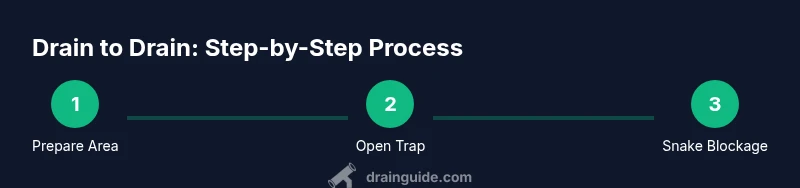
Step 1: Prepare the area and safety setup. Clear the cabinet, place a towel under the sink, and have a bucket ready. This protects your floor and makes cleanup easier. Step 2: If accessible, place a bucket under the P-trap and remove the trap; inspect for hair and debris. Step 3: Insert the drain snake into the drain opening and slowly feed it toward the blockage while turning the handle to grab hair or gunk. Step 4: When you feel resistance, pull back a little, then push forward to break through the clog. Step 5: Reassemble the trap and run warm water to wash debris away. Step 6: If the drain remains slow, repeat the snake pass or move to the main line with a longer snake. Tip: Always wear eye protection and gloves, and keep a yard/mop nearby for spills.
Step-by-step: Fix a gurgling drain and odor issues
Gurgling drains often point to venting problems. Start by flushing the vent with a compressed air source or opening any roof vent to clear blockages (if you’re comfortable and safe) and check for bird nests or debris. If you don’t have vent access, you can still improve drainage by freeing the trap and ensuring it’s properly sealed. Clean the P-trap and trap arm, then run hot water or a baking-soda-and-vinegar flush down the drain (pause between applications). Odors may persist if traps are dry; add a small amount of petroleum-free mineral oil to maintain trap seal after you reassemble. Drain Guide notes that odor control is typically about restoring the trap’s water seal and clearing slow air movement through the system. When in doubt, don’t force the vent or the pipe; improper vent work can cause more harm than good.
Step-by-step: Preventive maintenance to keep drains flowing (drain to drain)
Regular preventive maintenance is the best defense against recurring clogs and odors. Establish a simple routine that includes monthly hot-water flushes, weekly feeding of a de-stinkifying cleaner if you prefer, and careful use of sink strainers to catch hair and solids. Periodically inspect under-sink P-traps for leaks and corrosion, and replace them if needed. Keep disposal blades sharp and free of hard debris. A slow drain today can become a flood tomorrow if you ignore it; the key is consistency. Drain Guide’s approach centers on proactive checks, timely cleaning, and mindful waste disposal practices to keep the drain-to-drain pathway clear and efficient. Remember: never pour fats, oils, or grease down any drain; instead, collect them in a container and dispose of them in the trash. With regular attention, your drains will stay clear and your home will run more smoothly.
Tools & Materials
- Bucket(Place under the trap to catch spills)
- Pair of gloves(Rubber or nitrile; keep hands clean)
- Plunger (sink cup)(Seal around drain for effective plunging)
- Drain snake (hand crank)(12–18 inches for sinks; 1/4–1/2 inch coil)
- Adjustable wrench(Loosen slip nuts on P-trap)
- Old towels/rags(Protects floor and absorbs spills)
- Flashlight(Illuminates dark pipes under cabinets)
- Safety glasses(Protect eyes from splash and debris)
Steps
Estimated time: 45-60 minutes
- 1
Prepare the area and safety setup
Clear the work area, move appliances or items away from the cabinet, and gather all tools. Put on gloves and safety glasses, and verify the water shutoff for the affected fixture. Decide on a plan of action before you touch any pipe to reduce the risk of spills or spills drifting into non-work zones.
Tip: Have a second towel handy for quick cleanup and keep a bucket nearby for any unexpected leaks. - 2
Loosen the P-trap and drain water
Place a bucket beneath the trap, then use an adjustable wrench to loosen the slip nuts. Gently remove the trap and inspect for hair, soap scum, or small objects. Keep the trap level so debris doesn’t fall back into the drain.
Tip: Take a quick photo of the trap orientation before removing so you can reinstall correctly. - 3
Insert the drain snake and advance toward the blockage
Feed the snake into the drain opening and slowly rotate the handle to work past minor clogs. Pause if you meet resistance and pull back slightly before continuing. When you hit the clog, use a steady, moderate pushing/pulling motion to break it up.
Tip: Avoid forcing the snake through rigid pipes; if it’s stuck, back out and try from another access point. - 4
Break through or collect debris and retract the snake
Continue feeding and rotating until you either feel the blockage give way or you reach a hardened buildup. Once you’ve cleared some material, slowly retract the snake, watching for hair and gunk that comes free. Reinsert if needed to verify the path is clear.
Tip: Keep the bucket in place during retraction to catch any residual water or debris. - 5
Flush the line and verify flow
Rinse the pipe with hot water for 1-2 minutes to scour remaining debris. Optionally, run a baking soda and vinegar flush in a controlled manner, watching for fizz without overflowing. Check that water drains smoothly in a few seconds after flushing.
Tip: If the sink still drains slowly, repeat the snake pass or try a longer snake for the main line access. - 6
Reassemble the trap and test for leaks
Reattach the P-trap, ensuring the slip nuts are snug but not overtightened. Run water through the fixture and nearby fixtures to confirm there's no leak and the drain remains clear. Wipe excess moisture and inspect for any signs of dripping.
Tip: Keep an eye on the connection for the next 24 hours; a leak can appear as a slow drip after initial testing.
Got Questions?
What is drain-to-drain?
Drain-to-drain describes the water’s path from a fixture drain through traps, vents, and pipes to the main line. Understanding this helps locate clogs and plan a safe fix without unnecessary chemical remedies.
Drain-to-drain is the path water follows from a fixture drain to the main line. Understanding this helps you locate clogs safely.
Are chemical cleaners safe for drains?
Many chemical cleaners can damage pipes and septic systems, especially with repeated use. Safer methods like mechanical removal with a snake or proper venting checks are preferred.
Chemicals can damage pipes and septic systems; safer methods should be tried first.
When should I call a professional?
Call a professional if multiple fixtures back up, you smell sewage, or you can’t locate the blockage. A licensed plumber can assess venting and main-line issues safely.
Call a pro if multiple fixtures back up or you smell sewage.
How often should I maintain drains?
Do quick checks monthly and a deeper clean every 6–12 months, depending on usage. Regular maintenance prevents buildup and keeps the drain-to-drain path clear.
Check monthly and deep-clean every 6 to 12 months.
Will this fix odors permanently?
Odors often improve after restoring the trap seal and clearing the path. Persistent smells may indicate a deeper venting issue or a dry trap that needs regular watering.
Odors may improve, but persistent smells could mean vent issues.
Watch Video
The Essentials
- Identify the drain path before acting to target the right area.
- Use the right tool for the job and protect yourself with PPE.
- Snakes clear hair and debris; rotate and avoid forcing through pipes.
- Avoid harsh chemicals; pursue mechanical methods first.
- Regular maintenance prevents recurring clogs and odors.