Planet Plumbing and Drain: DIY Drain Troubleshooting Guide
Learn to diagnose and fix common drain problems—from sinks to showers—safely at home with practical, step-by-step techniques. Includes tools, safety, maintenance tips, and when to call a professional from Drain Guide.


With planet plumbing and drain, you’ll learn how to identify, diagnose, and fix common home drain issues using safe, step-by-step methods. You’ll cover sinks, showers, and outdoor drains, and know when to call a pro. Gather basic tools (plunger, drain snake, bucket) and follow a watchful, methodical approach to prevent overflow and damage.
Why planet plumbing and drain matters
In every home, drainage systems quietly handle water disposal, waste removal, and overall sanitation. Proper maintenance keeps kitchens and bathrooms functional, reduces odors, and protects your home from water damage. According to Drain Guide, a practical approach to drain care minimizes mess and cost by focusing on safe, repeatable steps rather than risky hacks. By understanding how drains work—how water travels from fixture to sewer—you can spot problems early, plan effective fixes, and maintain a healthier living environment. This guide centers on a realistic, homeowner-friendly mindset: diagnose, decide, and do using vetted best practices. The goal isn’t a perfect crystal pipe dream but reliable, repeatable results you can trust for everyday use.
You’ll notice this topic is broader than a single clogged sink. A well-running system encompasses kitchen drains, bathroom drains, laundry lines, and even outdoor drainage. The techniques discussed here apply across fixtures, with adjustments for pipe size and trap configuration. Throughout this article, drain health is treated as part of your home’s overall plumbing resilience. By investing a little time, you can prevent bigger problems and extend the life of your plumbing network.
Common drain problems and how they present
Drain issues come in many forms, but common patterns recur across households. Slow drainage often signals buildup in the P-trap or vertical vent area, especially if only one fixture is affected. Gurgling noises can indicate air trapped in the line or a blocked vent; persistent odors point to organic buildup in traps or sewer gas intrusion. Standing water after shower use frequently means a clog somewhere in the drain line, not just the fixture. Identifying where the problem starts—under the sink, in the shower, or in the laundry drain—helps you pick the right tool and approach. Drain Guide notes that many problems originate at the trap or near the junction where pipes meet, so begin inspections there. Remember that exterior drains, like downspouts or French drains, can influence indoor drainage by altering water flow patterns. A systematic check of fixtures, traps, and visible piping often reveals the culprit without costly tests.
Safety and planning before you begin
Before you tackle any drain, set expectations and take precautions. Clear the work area, lay down towels or drop cloths to catch splashes, and wear gloves and eye protection. If you’re working under a sink, support the cabinet with a stable stance and unplug any electrical devices nearby. Never mix chemical drain cleaners with other cleaners or with boiling water, as reactions can be dangerous. For DIY tasks, turn off the water supply to the fixture if you’ll be removing a trap or working with the supply lines. Keep a bucket handy to catch water and a fan or open window for ventilation if you encounter odors. If you have older pipes, note any corrosion or leaks; these signs may require professional attention. This planning stage minimizes surprises and keeps the job safer and cleaner.
Understanding the drain path: from fixture to sewer
A typical residential drain path starts at the fixture tailpiece, travels through the trap (P-trap under sinks), into the wall drain, down the stack, and finally to the sewer. The trap holds water to block sewer gases, while vents allow air into the system to prevent siphoning. Blockages can form at the trap, in the horizontal drain line, or at the vent. Recognizing the flow direction helps you diagnose symptoms quickly. When a blockage is present, water may back up in the most recently used fixture or create a knock-on effect in connected drains. Keeping traps clean, the pipes free of buildup, and ensuring vents are unobstructed helps maintain steady drainage and avoids pressure problems that lead to leaks.
Diagnostic workflow you can perform
Start with a visual sweep for obvious clogs near the fixture and under the sink. Use a plunger on sinks and tubs with a steady, vertical seal, and observe whether water clears. If plunging fails, introduce a drain snake or hand auger to break through the clog; feed the snake slowly and retrieve it gradually to minimize pipe damage. Inspect the P-trap for debris and clean it out, reassemble, and run hot water to flush remaining blockages. If drainage remains slow, check the vent for obstructions like leaves or debris by running a test with a dry vent and examining any changes in water behavior. Document what you find and proceed step by step, never skipping safety.
Mechanical solutions: plungers and snakes
Mechanical methods provide safe, chemical-free ways to clear many clogs. A standard cup-style plunger creates a seal and pushes pressure through the drain. For tougher blockages, a hand or drill-powered drain snake can break up clogs deeper in the line. When using a snake, feed it in straight, rotate gently, and pull back slowly to capture debris. If you encounter a sticky or sticky-like resistance, stop and inspect the trap before continuing. Repeated attempts at the same location without progress may indicate a more complex obstruction or vent issue that requires professional tools.
Chemical cleaners vs hot-water flush
Chemical cleaners should be used sparingly and with caution. They can damage old pipes, especially PVC with older metal fittings, and may release harmful fumes if used improperly. Prefer non-chemical methods first, such as hot water flushes and baking soda-vinegar cycles as a maintenance habit. If you do opt for cleaners, follow label directions exactly, never mix products, and ventilate the area. In many cases, persistent clogs despite safe mechanical attempts indicate deeper problems, such as tree roots or broken pipes, where professional diagnosis is advised.
Maintenance routines to prevent future clogs
Prevention is cheaper than repair. Establish a monthly routine that includes flushing drains with hot water, removing hair from trap arms, and using a strainer to catch solids. Periodically clear the P-trap and inspect for corrosion or leaks. Avoid pouring grease down kitchen drains; wipe it into a container and dispose of it in the trash. Keep an eye on outdoor drains during heavy rain to prevent backflow into interior pipes. Drain Guide emphasizes proactive maintenance as a cornerstone of a healthy home drainage system, reducing emergency scenarios and keeping your home dry and comfortable.
Authority sources
For deeper reading and official guidance, check these sources:
- https://www.epa.gov
- https://www.cdc.gov
- https://extension.illinois.edu
This section reinforces best practices and safety considerations for planet plumbing and drain work, referencing trusted organizations and university extensions to support DIY learning.
Quick reference: troubleshooting flowchart
When in doubt, follow this simple decision map:
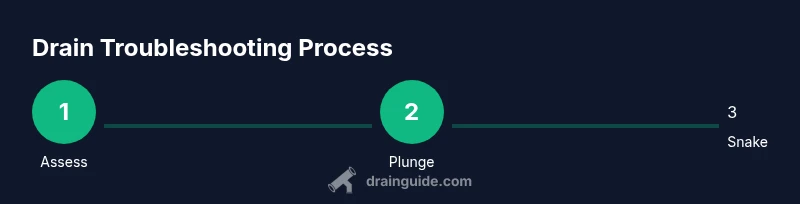
- Is the water level rising in a fixture? Try plunging first.
- Did plunging clear the clog? Run hot water and test other fixtures.
- If persistent, use a snake to tackle deeper blockages.
- Are there foul odors or vent issues? Inspect the vent and consider professional inspection.
- After any repair, re-test all affected fixtures and monitor for leaks.
Following a consistent, gentle approach helps prevent pipe damage and ensures safe, reliable drainage. Drain Guide’s experience shows that a calm, methodical process yields the best long-term results.
Tools & Materials
- Heavy-duty plunger (cup-style or flange)(Choose a model compatible with kitchen and bathroom drains)
- Drain snake / auger (3-6 ft manual)(Manual preferred for safety; longer lengths for deeper clogs)
- Bucket(To catch water during trap removal)
- Adjustable wrench or channel-lock pliers(For disconnecting the P-trap)
- Flashlight(To inspect inside the trap and pipe joints)
- Rubber gloves(Hygienic protection before handling traps)
- Towels or rags(Contain spills and keep area clean)
- Dish soap or mild cleaner(For trap cleaning if needed)
- Safety goggles(Eye protection during high-pressure plunging)
Steps
Estimated time: 60-90 minutes
- 1
Assess the situation and prepare
Survey the affected area and gather your tools. Clear the area around the fixture, place towels to catch spills, and put on gloves and eye protection. Confirm the clog location by testing water flow in the most affected fixture.
Tip: Lint-free towels help prevent fibers from snagging the drain. - 2
Clear standing water
If water is present, use a bucket to remove excess water and wipe the area clean. A dry surface makes plunging more effective and reduces splashback.
Tip: Start with the cleanest outlet to avoid cross-contamination between fixtures. - 3
Plunge the drain
Seal the drain and apply steady pressure with the plunger. Don’t use excessive force; maintain a tight seal and repeatedly push and pull to dislodge the clog.
Tip: If the water doesn’t rise, reposition the plunger for a better seal. - 4
Employ a drain snake
Insert the snake and rotate gently as you feed it into the pipe. When you feel resistance, pull back slowly to pull out debris or break up the clog.
Tip: Work slowly to prevent kinking the snake or damaging pipes. - 5
Inspect and clean the P-trap
Place a bucket underneath, loosen the slip nuts, and remove the P-trap. Clean out hair and grime, then reassemble securely with plumber’s tape if needed.
Tip: Check for cracks or corrosion; replace the trap if needed. - 6
Flush and test
Run hot water through the system to flush debris. Check for leaks, and run several fixtures to confirm consistent drainage.
Tip: If drainage slows again, the clog may be deeper or the vent may be blocked. - 7
Evaluate vent and exterior drains
If multiple fixtures are affected or gurgling persists, inspect the vent stack for blockages (bird nests, debris). Exterior drainage should be clear after rainfall; blockages can affect indoor drainage.
Tip: Use a flashlight and, if needed, a small mirror to inspect hard-to-reach vents. - 8
Reassemble and monitor
Reassemble all parts securely and run several cycles of water to ensure the system is clear. Note any recurring symptoms and consider professional help if problems persist.
Tip: Document steps taken; it helps when communicating with a plumber.
Got Questions?
What is the first step when a sink drains slowly?
Start with a visual check and a plunging test to see if the clog is near the trap. If plunging clears the drain, proceed with a quick flush and test all fixtures.
Begin by inspecting the trap and trying a standard plunger to see if the clog is near the trap, then test the fixtures after flushing.
Can you safely use chemical drain cleaners?
Chemical cleaners can damage older pipes and release harmful fumes. Use them only as a last resort and follow the label precisely. Prefer mechanical methods first.
Chemical cleaners should be a last resort; they can harm pipes and release fumes. Follow the label if you choose to use them.
When should I call a professional plumber?
If plunging and snaking don’t clear the clog, if you notice leaks, or if multiple fixtures are affected, it’s time to seek professional help. Vent blockages or possible sewer line problems also require expert assessment.
Call a plumber if the clog remains after mechanical methods or if you suspect vent or sewer line issues.
Is it safe to remove a P-trap myself?
Yes, with the right tools and precautions. Place a bucket, loosen the nuts, and clean the trap. Replace with plumber’s tape if threads are worn and test for leaks after reassembly.
You can remove a P-trap safely using common tools, then clean and reassemble, checking for leaks.
What are signs of a venting problem?
Slow drainage, gurgling noises, and strong sewer odors can indicate vent blockage. Inspect exterior vents and consider professional vent cleaning if symptoms persist.
Gurgling sounds and slow drainage often point to a vent issue; inspect vents or call a pro if unresolved.
Watch Video
The Essentials
- Identify the problem area before disassembling pipes.
- Prioritize mechanical methods to protect pipes.
- Test each fixture after repairs to confirm clearance.
- Maintain traps and vents to prevent recurring clogs.