Preferred Plumbing and Drain: A Homeowner's Practical Guide
Learn how to choose reliable plumbing and drain setups, diagnose common problems, and maintain your system with practical, DIY-friendly steps for a healthier home.


You can improve your home's drainage by selecting a consistent preferred plumbing and drain approach, then following a practical maintenance routine. Start by identifying your system type, verifying trap and vent configurations, and using approved cleaners. With the right steps, you'll reduce clogs, odors, and back-ups. This quick answer provides a roadmap for choosing parts, practicing safe DIY techniques, and knowing when to call a pro.
What the term 'preferred plumbing and drain' means for homeowners
In the world of residential plumbing, a "preferred" approach means choosing a consistent configuration for your drains, traps, vents, and piping materials that aligns with local codes, practical maintenance, and long-term reliability. For most homes, this includes standardizing pipe materials (like PVC or CPVC for drainage), ensuring traps are correctly positioned to prevent sewer gas intrusion, and maintaining proper venting to avoid gurgling and slow drainage. By adopting a single, well-supported system design, homeowners reduce confusion, simplify future repairs, and make routine maintenance more effective. Drain Guide emphasizes that consistency across fixtures, connections, and cleaning practices helps prevent cross-contamination, reduces backflow risk, and makes it easier to diagnose issues when they occur.
How to map your current drainage layout
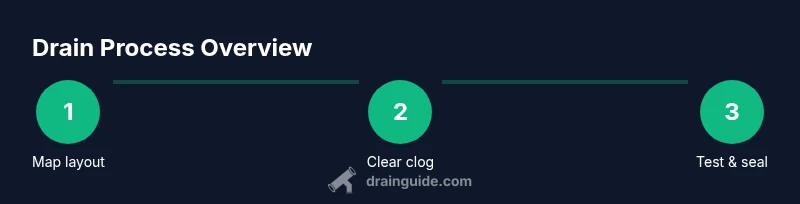
Begin by locating the main cleanout and the primary drain line that runs from the house to the street or septic system. Trace each fixture’s drain path from sink, shower, tub, and toilet to the main line, noting if there are shared or dedicated branches. Identify traps (P-traps under sinks, bottle traps in some fixtures) and verify vent locations. Draw a simple diagram on paper or use smartphone notes to mark each branch, noting materials (PVC, copper, or galvanized steel) and approximate pipe diameters. This map will become your decision-making baseline for maintenance, upgrades, and troubleshooting. Drain Guide recommends labeling valves and keeping the map accessible for quick reference during repairs or inspections.
Selecting durable materials and fixtures
Durability and compatibility matter more than price alone. For interior drainage, PVC or CPVC are common choices due to corrosion resistance, ease of joining, and long service life. Copper pipes may be used for certain supply lines but require careful handling around heat and pressure. When selecting fixtures, opt for models with reliable seals, corrosion-resistant finishes, and standard connection sizes. Pay attention to trap styles and ensure proper slope (a gradual downward angle) to promote smooth water flow and minimize sediment buildup. Matching materials across drains and fixtures helps prevent galvanic corrosion and reduces leak risks over time.
Drainage maintenance fundamentals
A proactive maintenance routine saves time and money. Schedule monthly checks for slow drains and odors, and perform seasonal cleanouts to remove hair, soap scum, and mineral deposits. Regularly flush drains with hot water, curbing the use of harsh chemical cleaners that can damage pipes and vents. Keep a simple maintenance log noting any changes in drain speed, sounds, or odors, plus when you cleaned traps or replaced washers. Simple steps like checking the u-trap under sinks and ensuring the vent stack remains clear can prevent many issues from escalating.
Diagnosing clogs and slow drains
Start with the simplest tools first: a plunger for basic blockages, a hand auger or drain snake for deeper clogs, and a flashlight to inspect the drain mouth. For slow-running drains, remove and clean the P-trap, removing hair and debris that accumulate here. If the problem persists, probe the main line carefully with a snake, keeping steady pressure to avoid damaging the pipe. Avoid dumping large quantities of grease or fiber-rich substances down the drain, as these habits promote buildup that can become stubborn over time. Drain Guide recommends a methodical approach: rule out simple clogs, then progressively escalate to more involved steps if needed.
Safe DIY fixes you can do today
Before starting, shut off the water supply to affected fixtures if you need to dismantle pipes. Use a plunger or snake to clear visible blockages, and inspect traps for cracks or leaks. If you remove a trap, place a bucket underneath to catch water, then clean the trap screen and seals before reassembling. When using any cleaners, choose non-corrosive, drain-safe products and avoid mixing cleaners, which can create unsafe fumes. Document your fixes and monitor the area for any signs of recurring issues.
The role of venting and P-traps
Ventilation prevents pressure imbalances that cause slow drainage and gurgling. If vents are blocked, the drain can become sluggish, even when the pipes themselves are clear. Check accessible vent openings (often on the roof) or use a mirror to inspect any exposed venting through the attic. P-traps seal sewer gases but can dry out or crack over time. If you notice repeated odors, check trap seals and replace worn gaskets. Proper venting and intact traps are essential components of a reliable drainage system.
Preventive maintenance schedules
Create a simple calendar: monthly drain inspections, quarterly trap checks, and biannual professional audits if your home is older or heavily used. Use a conservative cleaning regimen that avoids caustic chemicals and instead relies on mechanical methods or enzyme-based cleaners when appropriate. Keep a maintenance log with dates and notes on any repairs or replacements. This routine reduces the chance of emergency calls and extends the life of your plumbing system.
Upgrading for aging homes
Older homes often benefit from gradual upgrades rather than a full rework. Consider replacing corroded sections with modern PVC or CPVC where feasible, upgrading to PEX supply lines, and installing affordable, code-compliant venting if needed. Budget for a professional assessment to identify hidden issues like pipe corrosion, hidden leaks, or compromised connections. Upgrades can improve water efficiency, reduce backflow risk, and make future maintenance faster and safer.
Hiring a plumber: questions and tips
When considering a professional, ask about license verification, years of experience with your pipe material, and whether they perform upfront diagnostics with camera inspections where appropriate. Request written estimates outlining materials, warranties, and expected timelines. Discuss your goals for efficiency, code compliance, and future maintenance. A good plumber will explain options clearly, avoid aggressive upselling, and respect your budget while prioritizing safety and durability.
Authority sources and further reading
For deeper understanding and formal guidelines, consult government and university resources. These sources provide evidence-based information on drainage design, safety practices, and maintenance considerations. Always cross-check recommendations with your local building codes and the specific configurations of your home.
Tools & Materials
- Plunger (cup or flange)(Choose the correct type for sinks or toilets; ensure a good seal)
- Drain snake/auger(Manual or motorized; pick length suitable for expected clog depth)
- Adjustable wrench(For loosening fittings under sinks)
- Pliers (needle-nose)(Helpful for clamps and small parts)
- Bucket (1-2 gallons)(Catches water when traps are opened)
- Rags or towels(Cleanup and wipe-down after repairs)
- Plumber's tape (Teflon tape)(Use on threaded connections; avoid PVC glue on tape)
- Safety gloves(Protect hands from debris and bacteria)
- Safety goggles(Eye protection when dislodging debris)
- Flashlight(Inspect dark corners and trap spaces)
- Vinegar(Safer deodorizing option; not for heavy clogs)
- Baking soda(Combined with vinegar for deodorizing; not a heavy-duty cleaner)
- Shop vacuum (wet/dry)(Optional for flushing or suctioning debris)
Steps
Estimated time: 60-90 minutes
- 1
Map the drainage and shut off water
Identify the main water shut-off and the primary drainage path for affected fixtures. Document which valves control each area and ensure the water supply is fully turned off before disassembly to prevent flooding. A clear map speeds up future repairs and helps you plan safe fixes.
Tip: Label valves with tape and keep the map accessible near the main shut-off. - 2
Isolate the problem fixture
Determine if the issue is isolated to one fixture or affects multiple drains. This helps you decide whether to focus on a single P-trap or tackle a shared main line. Start with the most troublesome fixture to narrow down the source.
Tip: Test by running water from other fixtures to see if the issue propagates. - 3
Try a plunger first
For a clogged sink or tub, use a cup or flange plunger with a good seal. Create several firm pushes to dislodge the blockage. If the water drains, proceed to a deeper inspection; if not, move to a snake.
Tip: Ensure there is enough water to cover the plunger that creates proper suction. - 4
Use a drain snake to break the clog
Carefully feed the snake into the drain, turning the handle to advance it and break up the clog. Don’t force it; if you meet resistance, back off slightly to avoid damaging pipes. Retrieve debris slowly and wipe the area clean.
Tip: Rotate the snake slowly and use steady pressure to avoid screw-failure or pipe damage. - 5
Flush and test after clearing
Run hot water through the cleaned line to rinse debris. For chemical cleaners, follow label directions and avoid mixing with other cleaners. Re-test the fixture by running water for several minutes to ensure stable drainage.
Tip: Never mix drain chemicals with bleach or ammonia—protect your lungs and eyes. - 6
Inspect and clean the trap
Disassemble the P-trap under the sink, remove debris, and rinse thoroughly. Reassemble with new washers if necessary and check for leaks after restoring water. A clean trap prevents future clogs and reduces odor possibility.
Tip: Take a photo before disassembly so you can reassemble correctly. - 7
Check venting paths
If you notice gurgling or slow drainage across multiple fixtures, venting may be blocked. Inspect accessible roof vents or attic openings and clear any obstructions using appropriate tools. Proper venting reduces pressure issues and improves flow.
Tip: Do not climb onto the roof unless you’re confident; hire a pro if you’re unsure. - 8
Test all fixtures and inspect for leaks
Run water through every affected fixture and inspect every connection for dampness or pooling. Tighten fittings if needed and replace worn gaskets. A small leak left unchecked can lead to more expensive damage over time.
Tip: Keep a moisture meter handy in case a leak is hidden behind cabinets. - 9
Document maintenance and decide on next steps
Record what you did, what worked, and what didn’t. If clogs recur within weeks, plan a more extensive inspection, including camera checks or pipe replacement where needed. A formal plan helps you budget and avoid repeated failures.
Tip: Set reminders for routine checks and component replacements. - 10
Evaluate upgrade vs. professional help
If the system shows signs of corrosion, persistent back-ups, or complex venting issues, consider upgrading with code-compliant materials or scheduling a pro. Upgrades can improve longevity, reduce maintenance time, and enhance safety.
Tip: Ask for written estimates and warranty terms before committing.
Got Questions?
What does 'preferred plumbing and drain' mean for homeowners?
It refers to selecting a consistent, durable drainage configuration and fixtures, backed by routine maintenance and code-compliant practices. This approach minimizes confusion, improves reliability, and simplifies future repairs.
Preferred plumbing and drain means choosing a consistent setup and sticking to it for easier maintenance and fewer surprises.
Can I fix a slow drain myself?
Yes, for mild cases you can start with mechanical methods like plungers and snakes. Avoid aggressive chemical cleaners that can damage pipes and vents. If the problem persists, consult a professional.
You can usually fix a slow drain with a plunger or snake, but avoid harsh chemicals and call a pro if it keeps happening.
What tools are essential for drain maintenance?
Key tools include a plunger, a drain snake/auger, adjustable wrench, bucket, rags, plumber's tape, and safety gear. Having these handy makes routine fixes safer and faster.
Essential tools are a plunger, snake, adjustable wrench, bucket, rags, and plumber’s tape.
When should I replace pipes versus repair?
Replacement is usually advised when pipes are severely corroded, cracked, or when repairs would be frequent and costly. Repairs are reasonable for minor leaks or isolated sections with good remaining life.
Replace pipes when they’re badly corroded or cracked; repair for small leaks when the rest of the system is healthy.
Are chemical drain cleaners safe to use?
Most professionals recommend avoiding chemical cleaners for routine maintenance; they can damage piping and vent components and create hazardous fumes. If used, follow label directions precisely and never mix with other products.
Chemical cleaners can harm pipes and vents; use them only with extreme care and follow the directions exactly.
How often should I schedule professional inspections?
For many homes, an annual or biannual inspection is a good baseline, especially for older houses or high-use areas. A professional can identify hidden issues, assess venting, and verify code compliance.
Most homes benefit from at least an annual check, more often if the property is older or heavily used.
Watch Video
The Essentials
- Define a consistent drainage setup for easier maintenance.
- Map your system and document trap and vent locations.
- Use mechanical methods (plunger, snake) before chemicals.
- Inspect traps and vents regularly to prevent odors and clogs.
- Know when to upgrade or call a professional for aging homes.