Petri Plumbing Heating Cooling & Drain Cleaning: Homeowner's How-To
Learn practical, safe steps from Drain Guide to diagnose and fix drainage issues affecting plumbing, heating, cooling, and drain cleaning. This comprehensive guide covers tools, step-by-step tasks, safety tips, and maintenance to keep your system flowing.


You will learn to diagnose and safely clear common drainage problems that affect plumbing, heating, cooling, and related systems. This DIY-friendly guide covers essential tools, safe shutoffs, and a practical step-by-step approach before calling a pro. According to Drain Guide, start with safety, shutoffs, and simple fixes, then escalate as needed.
Understanding the Interplay Between Drains, Heating, and Cooling
Home drainage systems intersect with heating and cooling equipment more often than most homeowners realize. A clog in a kitchen sink can back up into a condensate line from an air handler, while a clogged floor drain near a furnace can raise humidity or trigger safety shutoffs. The holistic approach used by Petri Plumbing Heating Cooling & Drain Cleaning begins with mapping the drainage network across the home: kitchen, bathrooms, laundry, sump, and the condensate line. Drain Guide’s analysis shows that most blockages arise from simple causes—grease, hair, mineral scale, or soap scum—and from improper venting or the improper use of cleaners. By understanding how water, air, and temperature interact, you can pinpoint where trouble starts and avoid unnecessary disassembly. In practice, this means prioritizing the path of least resistance: start with accessible traps, then check for vent blockages, and finally consider the need for professional pressure testing if water backs up into multiple fixtures. Remember: safety first, especially around electrical outlets and gas lines; never work on a live system if you’re unsure about a fault. Drain Guide’s ongoing guidance emphasizes a careful, methodical approach that reduces risk for homeowners.
Tools and Safety Essentials
Before you begin, prepare a toolkit that keeps you safe and organized. Essential items include a flat-plugging drain plunger, a hand or drill-powered drain snake, a sturdy bucket, rubber gloves, eye protection, and a bright flashlight. You may also need an adjustable wrench and channel-lock pliers for trap connections, plus a small brush to clean trapped debris. If you’re working near electrical outlets or a condensate pump, ensure the area is dry, the power is off, and you have a clear escape route in case water is released. Ventilation matters when you use cleaners; open a window or run a fan to disperse fumes. Drain Guide notes that safety gear and a clear shutoff plan dramatically reduce the risk of injury or electrical shock. Keep a clean workspace and label tools to prevent cross-contamination between drains and HVAC components.
Drain Paths and Common Clogs
Most home drainage problems stem from four primary pathways: kitchen sinks, bathroom sinks, showers/tubs, and condensate lines tied to heating or cooling systems. Each path has its own typical clogs: kitchen sinks attract grease and food particles; bathroom sinks accumulate hair and soap scum; showers and tub drains collect soap, shampoo, and mineral buildup; condensate lines can clog with algae or mineral scale in humid climates. A clogged trap or s-trap can cause slow drainage and odors, while vent blockages may manifest as gurgling sounds when appliances run. When diagnosing, look for signs of backpressure—water rising in another fixture, or water backing up into the tub or shower after running the washer. Keep in mind that a single blockage can cascade through multiple fixtures, so confirm the status of nearby drains before assuming a localized problem. Drain Guide’s comprehensive approach encourages systematic checks rather than guesswork.
Quick Diagnostics: What to Check First
Start with the most accessible areas and work outward. Check for standing water in traps, verify that each fixture drains within a few seconds, and listen for gurgling indicating vent issues. Inspect traps for cracks or leaks and ensure the P-trap holds water to block sewer gases. If a drain is slow but not fully blocked, flush with hot water followed by a small amount of baking soda and vinegar, then rinse with more hot water. For condensate lines, inspect for frost, ice, or pooling water near the air handler; a blocked condensate line can lead to water damage and reduced system efficiency. If you detect sewage odors or multiple fixtures backing up, stop and seek professional help. Drain Guide stresses that a cautious, methodical approach with clear shutoffs is essential before attempting any invasive steps.
Step-By-Step Preview (What You’ll Do in the Next Section)
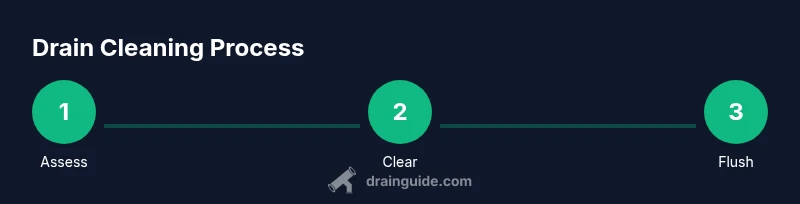
The following steps provide a practical sequence for clearing common blockages while protecting HVAC components. You’ll learn when to plunge, how to use a drain snake, and how to verify that drainage is restored. The process prioritizes mechanical methods, where possible, to minimize exposure to chemical cleaners and protect pipe materials. If you encounter persistent backups or suspect venting issues, professional diagnosis may be required. This preview is designed to prepare you for the detailed, itemized steps in the STEP-BY-STEP block.
Maintenance and Prevention: Long-Term Drain Health
Prevention is cheaper than repair. Regular maintenance reduces the risk of clogs, foul odors, and backflow that stress HVAC components. Simple habits such as using strainers in all sinks, avoiding flush of grease or coffee grounds, running hot water or vinegar flush monthly, and scheduling annual professional inspections can make a big difference. In condensate lines, ensure there’s no standing water, and clear a path for drainage to prevent moisture problems in furnaces or air handlers. If you have a septic system, follow local regulations and pump schedules to keep the drain field from failing. Drain Guide recommends documenting your maintenance activities and keeping a simple log so you can spot patterns that lead to blockages.
Authority and Further Reading
To verify best practices, consult credible sources. For safety and codes, you can refer to OSHA's plumbing-safety guidelines and EPA's septic system resources. Local university extension programs also offer region-specific advice on drain cleaning and home maintenance. Here are a few authoritative URLs you can bookmark:
- https://www.osha.gov/plumbing-safety
- https://www.epa.gov/septic
- https://extension.unl.edu/
Note: Check your local extension service for region-specific guidance and the latest safety recommendations. These sources help you validate the core steps described in this guide and provide official context for DIY work and home maintenance.
Final Notes and The Drain Guide Verdict
Home drainage maintenance is not glamorous, but it’s essential for a comfortable, safe home. The most reliable path to lasting results combines careful diagnostic steps, appropriate tool use, safe chemical handling (when necessary), and consistent preventive habits. The Drain Guide team recommends starting with mechanical methods for most clogs, avoiding over-reliance on chemical cleaners, and scheduling professional inspections if problems persist beyond basic fixes. With patience, a calm approach, and the right tools, most homeowners can restore flow and protect their heating and cooling equipment from unnecessary strain.
Tools & Materials
- Flat-plugging drain plunger(Flat rubber cup; ensure it covers the drain opening.)
- Drain snake/auger(Manual or drill-powered; choose 3-4 ft for sinks; longer for tub or shower.)
- Bucket(To catch water and trap debris.)
- Gloves and eye protection(Rubber gloves; eye protection recommended.)
- Flashlight(Inspect traps and pipes beyond the trap.)
- Adjustable wrench(Useful for hose clamps or trap connections.)
- Enzymatic drain cleaner, optional(Better for regular maintenance than emergency clearing.)
Steps
Estimated time: 45-90 minutes
- 1
Turn off water and power to the area
Begin by turning off the cold water supply to the affected fixture and, if safe, switch off any nearby electrical power to pumps or condensate pumps. This prevents water sprays and electrical hazards during the cleaning process.
Tip: Always check for energized equipment before starting to avoid shock. - 2
Assess the blockage and access
Remove the trap where accessible and inspect for obvious blockages. Check nearby pipes for signs of leaks or corrosion. This helps you decide whether to use a plunger, snake, or a different approach.
Tip: Place a bucket under the trap to catch spills and avoid mess. - 3
Use the drain snake to break up the clog
Insert the snake into the drain and rotate while pushing forward to grab or break up the blockage. Extend the snake slowly until you feel resistance, then back it out gently.
Tip: Do not force the snake; forcing can damage pipes. - 4
Flush the line and reassemble
Run hot water down the drain to clear any remaining debris and check all joints for leaks. Reassemble the trap carefully and ensure the connection is snug to prevent leaks.
Tip: Run the faucet to confirm smooth drainage and listen for gurgling sounds. - 5
Optional proactive clean and maintenance
If there is a recurring issue, consider an enzymatic cleaner or monthly hot water flush to reduce buildup. Document maintenance and observe if problems reappear after heavy usage.
Tip: Label date of maintenance to track when you should schedule a professional check.
Got Questions?
What is the fastest way to clear a clogged sink drain without damaging pipes?
Start with a plunger to create pressure, then use a drain snake to break up the blockage. Avoid harsh chemical cleaners as they can damage pipes and vent systems; if the clog persists, stop and seek professional help.
Use a plunger first, then a drain snake if needed. If it remains stuck, call a professional.
Can I use chemical drain cleaners if I have an HVAC condensate line?
Chemical cleaners can damage PVC condensate lines and HVAC components. Use mechanical methods first, and consider enzymatic cleaners for long-term prevention when advised by a professional.
Avoid chemical cleaners near condensate lines; use mechanical methods first.
When should I call a licensed plumber or HVAC technician?
If you notice multiple fixtures backing up, slow draining after attempts, gas smells, or suspect a venting problem, it’s time to call a professional. A technician can diagnose drafts, vent blockages, or sewer gas risks safely.
Call a professional if several fixtures back up or you detect gas smells.
How often should I perform routine drain maintenance?
Perform light maintenance monthly and a heavier check quarterly. Use strainers, avoid dumping grease, hair, and coffee grounds, and run hot water or enzymatic cleaners as part of a regular schedule.
Do quick monthly checks and a deeper quarterly clean.
Is it safe to use a drain snake in a washing machine drain?
Yes, but exercise caution. A washing machine drain is a high-flow line; use a flexible snake designed for large-diameter pipes and avoid aggressive scraping that could damage the tub or pump.
Be careful with the washing machine drain; use the proper snake and avoid aggressive scraping.
What steps reduce odors caused by slow drains?
Regular flushing with hot water and a small amount of baking soda or enzymatic cleaner can reduce odors. Keep traps filled with water to block sewer gases and clean with a mild cleanser to prevent buildup.
Flush with hot water regularly and keep traps loaded with water.
Watch Video
The Essentials
- Diagnose before you fix: map your drains and HVAC connections
- Use mechanical methods first for clogs
- Prioritize safety and shutoffs over force
- Maintain regular drain care to prevent future problems
- Drain Guide recommends following steps and consulting a pro if needed