Drain Unblocker Guide: Safe Step-by-Step Clearing at Home
Learn how to safely unblock drains using mechanical tools or chemical products. This Drain Guide tutorial covers choosing the right method, safety tips, and maintenance to prevent future clogs—for homeowners and DIY enthusiasts.


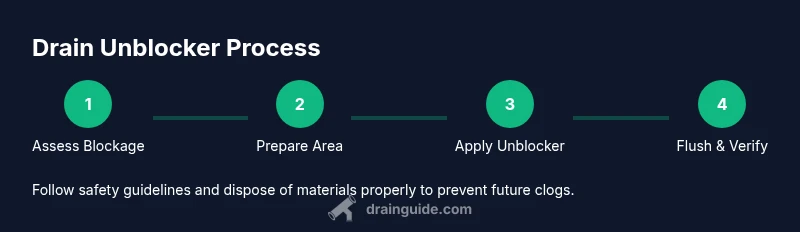
Drain unblocker solutions help clear clogs using mechanical augers or chemical products. Choose your method based on the blockage: physical snaking for hair or solids, enzymatic cleaners for gradual breakdown, and cautious use of caustic formulas. Always follow label directions and wear protective gear.
What is a drain unblocker and when to use it
A drain unblocker is any tool or product designed to clear a blocked drain and restore flow. It can be mechanical, such as a hand auger (drain snake) that physically scrapes or hooks the clog, or chemical, including enzyme-based cleaners and stronger caustic formulas. Understanding the blockage type helps you pick the right approach and reduces the risk of pipe damage.
According to Drain Guide, the most effective unblocker strategy depends on the blockage type and the pipe system. For hair in a bathroom sink, a mechanical snake often works best; for organic buildup in kitchen drains, enzymatic cleaners can gradually break down the material without harsh reactions. Always start with the simplest method and proceed with caution. If you hear unusual noises, see standing water that won’t drain, or notice foul odors, pause and reassess.
Mechanical vs chemical unblockers: pros and cons
Mechanical unblockers rely on physical action to dislodge or pull out the clog. They work well for hair, food particles, and solids that are difficult to dissolve, and they reduce chemical exposure. Chemical unblockers come in enzymatic or caustic formulas. Enzymatic products target organic matter over time and are gentler on pipes, while caustic options are fast acting but carry greater risk of chemical burns and fumes. Consider your plumbing type: plastic pipes tolerate most methods, but older metal pipes or septic systems require extra care. Tools like a hand auger are effective in a clean-out trap, while a plunger can restore flow for minor blockages. Temperature and water pressure also influence results; hot water can help soften grease but may cause steam if the line is closed, so monitor closely. Choose the route depending on the blockage location, pipe material, and comfort with handling hazards.
Safety first: PPE, ventilation, and handling chemicals
Safety should be your first concern. Always wear protective gloves, goggles, and clothing that covers your arms. Ventilate the area if you’re using chemical products, and never mix cleaners. Read product labels and follow the manufacturer’s safety instructions. Keep a bucket and towels on hand to catch spills, and wrap the area with old towels to protect flooring. If you have a septic system, avoid or minimize chemical drain cleaners; prefer enzymatic products and mechanical methods. Never use metal tools that could scratch or puncture pipes. If the blockage involves sewage, contact a licensed plumber immediately; do not attempt risky steps in that case.
Diagnosing the blockage: signs of hair clogs, grease, soap scum
Blockages present with different clues. Hair clogs typically cause slow draining, especially in bathroom sinks, and leave a stringy obstruction when you check with a tool. Grease buildup in kitchen drains produces a thicker, sluggish flow and may emit odors. Soap scum tends to accumulate with constant use and can create a chalky film. A rapid backup when fixtures are used together or a gurgling sound are common indicators. Before choosing a method, identify the probable material behind the clog. For traps and P traps, check for easy removal and clear out the trap inch by inch to reveal the blockage. If you’re unsure, test with a plunger first to see if you can restore flow without tools.
Choosing the right tool for your blockage
Begin with a quick assessment of accessible components like under sink traps. For minor clogs in sinks or showers, a plunger may be sufficient. If plunging fails, switch to a drain snake: insert the coil into the drain and rotate while pushing forward until you feel resistance; then pull back to remove the debris. For long or stubborn blockages in main lines, a longer snake or a plumber’s auger may be required. In some cases you may opt for enzymatic cleaners that require time to work overnight. Always choose a tool compatible with your pipe material and follow the user manual. If you’re not confident, call a pro rather than forcing the device.
How chemical unblockers work and safety cautions
Enzymatic drain cleaners use bacteria or enzymes to digest organic material, gradually restoring flow without harsh chemicals. Caustic and acidic formulas deliver quick results but carry significant risk to skin, eyes, and lungs; never mix cleaners or use them in a closed space. Read labels to determine whether the product is safe for septic systems and plastics. Use the smallest effective amount; overuse does not speed up clearing and can cause foaming or pipe damage. After applying, allow the product to sit for the recommended time, then flush with hot water, unless the label forbids it. Keep children and pets away during the waiting period.
Environmental and plumbing considerations: pipes, septic, and disposables
Different homes have different plumbing configurations. Plastic pipes tolerate many unblockers, but metal pipes and older fittings may be more sensitive to aggressive cleaners. Septic systems require caution: harsh chemical cleaners can kill beneficial bacteria and reduce system efficiency. If you lack access to a cleanout, you may need to use tools at the trap instead of main lines. Avoid disposing of used cleaners down other drains; pour leftover solutions into a dedicated container or follow local guidelines. In multifamily buildings, check building-specific rules before performing any DIY intervention. Always ventilate and avoid fumes that can accumulate in small spaces.
Maintenance and prevention after clearing a blockage
Once the drain is clear, set up a simple maintenance routine to prevent future clogs. Run hot water down the drain weekly to dissolve grease and soap scum. Use baking soda and vinegar quarterly as a gentle cleaning routine; avoid mixing with existing cleaners. Install strainers on sink and shower drains to catch hair and food particles. Periodically check P traps for leaks and inspect the drain lines for standing water or unusual noises. If you still see slow drainage after routine cleaning, consider a professional inspection to assess the sewer line and pipe condition. Drain Guide suggests implementing a preventive plan to minimize recurring issues across the family of drains.
Common mistakes and when to call a pro
Common mistakes include using the wrong type of unblocker for the pipe material, overusing chemicals, or forcing a snake into a blockage without loosening it first. Never mix chemical cleaners or use metal tools in soft plastics. Do not ignore a sewer odor or persistent backups. If you cannot dislodge the clog after two or three attempts, or if you hear running water in the pipes after clearing, stop and call a licensed plumber. For toilets, avoid using a regular plunger for combined blockages; a toilet auger is safer and more effective. In cases involving sewage or wastewater, seek professional assistance immediately.
Quick tests and verification
After clearing the blockage, run water from multiple fixtures to verify drainage. Check under sink traps for leaks and ensure there is no recurring odor. If the water remains slow or you notice returning clogs within days, re-evaluate the blockage and consider professional help. Keep a simple maintenance log to track which methods were used and their results. Drain Guidelines from Drain Guide emphasize following safety steps and achieving long-term prevention through routine checks.
Tools & Materials
- Rubber gloves(Nitrile preferred; 3–4 mil thickness; extend to forearms if possible)
- Safety goggles(Protect eyes from splashes and debris)
- Bucket(To collect water and debris; 2–3 gallons)
- Old towels or rags(Place around the area to catch spills)
- Plunger(Cup or flange plunger suitable for sink or shower)
- Drain snake / hand auger(Choose length based on pipe diameter and blockage location)
- Flashlight(Good lighting for visibility)
- Chemical drain unblocker product(Follow label; avoid mixing with other cleaners)
- Enzyme-based drain cleaner(Safer alternative for maintenance)
Steps
Estimated time: 60-90 minutes
- 1
Prepare workspace and PPE
Put on gloves and goggles; lay towels; place a bucket; clear the area around the sink. This reduces the chance of water damage and keeps debris contained. A tidy workspace helps you stay safe during the process.
Tip: Turn off the water supply if possible to minimize overflow. - 2
Identify blockage and choose approach
Observe whether the symptom points to a hair clog, grease, or soap scum. Decide whether to start with mechanical snaking or a chemical cleaner based on the blockage type and pipe material. When in doubt, start with a gentler method.
Tip: For hair or solids, start with a mechanical approach before chemicals. - 3
Inspect and prep the trap
Place a bucket under the trap and loosen the trap connection to inspect for obvious debris. Remove the trap carefully and wipe any water; this gives you a clear view of the clog’s location and helps you avoid pushing debris further into the pipe.
Tip: Have rags ready to catch residual water and debris. - 4
Plunge for minor clogs
Position the plunger to seal the drain and pump with steady, vertical motions. Build suction to loosen the clog. If water starts flowing, continue plunging until the flow improves.
Tip: Ensure a tight seal; partial suction reduces effectiveness. - 5
Insert drain snake and advance
Feed the snake into the drain, turning the handle to push the coil forward until you meet resistance. Stop before forcing past the resistance, then begin gentle pumping to break up the clog.
Tip: Keep the snake straight to avoid kinking; resist the urge to force past resistance. - 6
Rotate and pull debris out
Rotate the handle as you back the snake out to capture debris. Remove as much as possible and wipe the coil clean before reinserting if needed. Repeat until you see clearance.
Tip: Collect debris in the bucket to prevent a secondary clog. - 7
Flush and test flow
Run hot water to flush loosened material through the line. Check the flow from multiple fixtures to ensure the drain stays clear. If the flow remains slow, consider repeating or moving to a chemical agent.
Tip: Use the hottest water safe for your pipes to help dissolve residue. - 8
Apply chemical unblocker (if needed)
If mechanical methods fail, apply the chemical unblocker per the label instructions. Allow the recommended wait time, then flush with water. Do not mix products.
Tip: Never mix cleaners; the chemical reaction can be dangerous. - 9
Wait and re-test
After waiting the specified time, test the drain again by running water. If flow improves, you’re close to done; if not, avoid repeated aggressive attempts and reassess.
Tip: Patience pays off; repeated aggressive attempts can damage pipes. - 10
Clean up and store tools
Rinse and dry tools, wipe surfaces, and launder towels. Proper storage minimizes lingering odors and prepares you for future maintenance.
Tip: Document what worked for future reference.
Got Questions?
What is a drain unblocker and when should I use one?
A drain unblocker is any tool or product that clears clogs in drains. Use mechanical tools for hair and solids, enzymatic cleaners for gradual breakdown, and caution with caustic formulas.
A drain unblocker clears clogs using tools or cleaners; pick mechanical, enzymatic, or caustic options based on the blockage.
Are chemical drain unblockers safe for septic systems?
Enzymatic cleaners are generally safer for septic systems than caustic formulas; always check the product label and local guidelines.
Check the product label and local guidelines; enzymatic cleaners are usually safer for septic systems.
Can I use a drain unblocker in a toilet?
Toilet clogs are best cleared with a toilet-specific plunger or auger. Regular sink unblockers can damage toilet seals.
Toilet-specific tools are safer for toilets.
What should I do if the drain is still clogged after trying?
Stop and re-evaluate; try a different method or tool, and if unsuccessful after a couple of attempts, call a plumber.
If it remains clogged after a couple of attempts, it's time to call a plumber.
Is it safe to mix baking soda and vinegar for unclogging drains?
Mixing baking soda and vinegar is generally safe but limited in effectiveness; avoid relying on it for stubborn clogs.
It's safe, but it often won't clear stubborn clogs.
How long should I wait after applying a chemical unblocker?
Follow the product label for wait times; many require 15–60 minutes before flushing, and some should not be rinsed until advised.
Check the label; wait times vary.
Watch Video
The Essentials
- Identify blockage type before choosing an unblocker.
- Wear PPE and follow safety labels.
- Use mechanical snaking for hair and solids.
- Flush with water and test flow after clearing.
- Prevent future clogs with regular maintenance.