How to Drain Without Vent: A Homeowner's Guide
A homeowner-friendly guide to drainage without a vent: diagnose siphoning, apply temporary venting, and plan a safe, code-compliant vent repair that protects your family and prevents sewer gas issues.


By diagnosing vent-related siphoning, you can safely manage a drain that works without a vent while you plan a proper fix. This guide shows how to verify trap water, use temporary venting options, and implement a code-compliant repair. You’ll learn when temporary measures are sufficient and when to call a licensed plumber for vent installation.
Understanding ventless drainage: how venting affects flow and smells
A drain can behave as if it’s ventless when the vent stack is blocked, undersized, or missing. In these cases, water flowing through traps creates a vacuum that siphons away the water in the trap, allowing sewer gases to escape into the room. According to Drain Guide, venting is not optional — it’s a protective feature that keeps drains safe and odors controlled. Even if a fixture seems to drain, a compromised vent can lead to slow drainage, gurgling sounds, and frequent clogging. Recognizing these symptoms early helps you plan a safe fix and avoid unnecessary improvisation. This article uses practical steps homeowners can take while staying mindful of safety and local codes.
Key takeaway: understanding the role of a vent helps you separate temporary symptoms from a lasting venting problem, so you don’t chase the wrong solution.
Diagnosing vent-related symptoms in your home
Common signs that a drain may be vent-related include slow drainage, repeated gurgling after new water is introduced, and unpleasant sewer-like odors around the fixture. If you notice water backing up into another fixture when you drain a sink, that can indicate pressure differences caused by a blocked vent. Drain Guide analysis shows that many vent problems start with an overlooked roof vent cap, an obstructed stack inside the attic, or a mis-sized vent line. Use these checks to prioritize fixes and avoid unnecessary disassembly.
- Slow draining after heavy use or multiple fixtures
- Gurgling sounds in pipes when water flows
- Unusual or persistent odors near the drain
- Water backing up into neighboring fixtures
Tip: keep notes of when symptoms occur to help identify whether the issue is mechanical (clog) or vent-related.
Safe temporary venting strategies you can use today
Temporary venting can relieve pressure and reduce siphoning while you plan a permanent fix. Only use methods that comply with local codes and manufacturer instructions. Approved temporary options include properly installed air-admittance valves (AAVs) where permitted, or dedicated venting provisions that connect to an appropriate vent line. Do not improvise a vent with hoses or cloths; sewer gases are hazardous and can backflow into living spaces. Drain Guide recommends coordinating any temporary venting with a licensed plumber if you are unsure about code allowances.
- Use an approved AAV on the fixture branch if allowed by your local code
- Keep temporary venting clear of blockages and sharp bends
- Never seal or tape traps as a long-term fix for venting issues
Pro tip: document any temporary vent installation with photos and notes for your eventual permanent repair.
When to install or repair a vent: codes and considerations
Permanent vent installation should meet local plumbing codes and manufacturer guidance. Vent sizing, pipe diameter, trap distance, and setback from the trap are all critical factors. If a vent is missing or damaged, it’s often more reliable in the long term to repair or replace the vent rather than rely on temporary methods. This is especially true in multi-story homes where venting behavior can affect several fixtures. Drain Guide emphasizes working with a licensed professional for roof penetrations or complex vent rerouting to ensure safety and compliance. Planning ahead reduces the risk of future odors and sewer gas exposure.
- Verify vent size and placement against fixture requirements
- Inspect for blockages in the vent stack from roof to vent opening
- Schedule professional vent work if roof access is necessary
Practical troubleshooting steps you'll follow in a typical DIY session
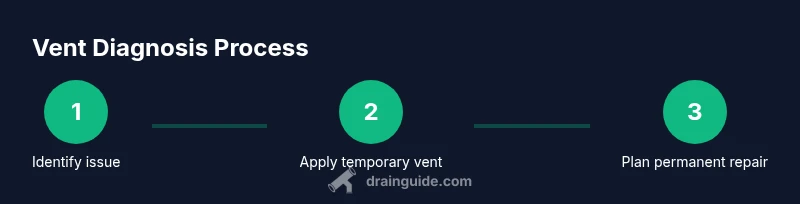
In a typical DIY session, you’ll move through a series of practical checks to isolate the vent issue and decide on a course of action. Start by gathering the tools you’ll need, then verify the trap water and inspect visible vent paths. If safe and permitted, consider temporary venting while you plan a permanent fix. Finish with a test to confirm improved drainage and reduced odors. The goal is to stabilize the system first, then install a code-compliant vent solution.
- Before you start: gather safety gear and a flashlight
- Inspect traps and visible vent openings for blockages
- If allowed, install a temporary venting option and test drainage
- Clear minor clogs with a drain snake, keeping the trap full of water
- Re-test and plan the permanent vent repair
Brand note and practical mindset
According to Drain Guide, addressing vent issues promptly helps prevent long-term damage and odors. The Drain Guide team stresses the importance of correct vent installation and safe temporary measures while waiting for a professional solution. By following a methodical process, homeowners can avoid risky improvisations and protect family health while staying within code requirements.
Tools & Materials
- Drain snake (hand auger)(3-6 ft length recommended for sinks; choose a flexible model for tight bends)
- Adjustable wrench(For loosening slip nuts under sink traps)
- Pipe wrench(Useful for stubborn fittings; avoid overtightening plastic pipes)
- Bucket and towels(Catch water and keep the workspace clean)
- Safety gloves and eye protection(Protect hands from sharp edges and contaminated water)
- Plumber’s tape (Teflon tape)(Seals threads on pipe connections after disassembly)
- Temporary venting option (per local code)(Use only if permitted; consult a pro before installing)
- Flashlight or headlamp(Improve visibility in tight spaces)
Steps
Estimated time: 60-90 minutes
- 1
Inspect vent paths for blockages
Begin with visible vents and trap connections under the sink. Look for any signs of a blocked vent cap, lint, or debris in accessible areas. Note any unusual odors or sluggish drainage that coincides with other fixtures in the home. This step helps you determine whether the issue is localized or part of a broader venting problem.
Tip: Wear safety goggles; if you must access a roof vent, avoid steep slopes and use a partner for safety. - 2
Check and restore trap water
Ensure the P-trap contains water to seal out sewer gases. If the trap is dry, run water into the fixture until the water level stabilizes. If odors persist, the trap seal may be compromised and require deeper investigation.
Tip: A dry trap is a common clue that venting is not the only issue; verify the trap is properly seated. - 3
Set up temporary venting
If permitted by local code, install a temporary venting solution close to the fixture to relieve pressure while you work. Use manufacturer-approved components and avoid makeshift approaches. Test the setup with a steady water flow to observe changes in drainage behavior.
Tip: Document the temporary setup with photos for reference during permanent repairs. - 4
Clear the drain with a snake
Insert the drain snake and rotate gently to break up any buildup in the trap or drain line. Withdraw slowly and wipe the shaft clean to prevent re-depositing debris. Run water to flush residual material and assess whether flow improves.
Tip: Do not force the snake; resistance can indicate a harder blockage or a deeper branch line. - 5
Test drain performance and odors
Run multiple test pours and observe for signs of siphoning, gurgling, or backflow. If odors persist or the drain remains slow, the vent system likely needs professional inspection. Take notes on times and conditions for reference.
Tip: If you notice sewer gas, evacuate the area and ventilate before resuming work. - 6
Plan permanent vent repair or replacement
Based on your findings, decide whether to repair a damaged vent, resize a line, or install a new vent stack. Permanent vent work often requires roof access or interior wall changes, so coordinate with a licensed plumber to ensure code compliance and safe installations.
Tip: Obtain any required permits before major work and keep detailed photos of the installation for future maintenance.
Got Questions?
What does a vent do in a drainage system?
A vent allows air into the drainage system to prevent siphoning of traps and to release sewer gases safely. It helps maintain proper drainage flow and odor control. Without a vent, you may see slow drainage, gurgling, and odors.
A vent lets air into the pipes so water flows smoothly and sewer gases stay out of your home. Without it, you'll hear gurgling and smell odors as water moves.
Can a drain truly work without a vent?
A drain can function temporarily without a vent, but long-term operation without venting risks trap siphoning and gas exposure. Temporary venting or prompt vent repairs are essential for safety and code compliance.
It can drain, but it isn’t safe or reliable long-term. Get a vent fixed soon or use approved temporary venting if allowed.
What are temporary venting options?
Temporary venting options include using an approved air-admittance valve (AAV) where permitted by code, or other manufacturer-recommended temporary venting methods. Avoid improvising with hoses or makeshift materials.
Use an approved temporary venting method if your code allows it, not duct tape or hoses.
Is vent repair a DIY job?
Some simple vent adjustments may be DIY-safe, but roof penetrations and vent stack work often require a licensed plumber. Always verify code requirements and safety considerations before starting.
Some fixes are DIY-friendly, but major vent work usually needs a pro.
How long does vent repair take?
A basic vent repair can take a few hours, while roof vent work or rerouting may require a full day, depending on access and weather. Plan for a dedicated window and consider professional scheduling.
Most repairs fit into a few hours, but roof work can take a full day depending on conditions.
What safety concerns should I know?
Vent work involves sewer gases, potential falls from roofs, and possible line leaks. Use PPE, ventilate, avoid working alone on ladders, and call a pro for risky steps.
Safety first: protect yourself from gases, avoid roof work alone, and hire a pro for risky parts.
Watch Video
The Essentials
- Identify vent issues early to avoid extended repairs
- Use approved temporary venting only where permitted
- Plan a code-compliant vent repair with a pro
- Document findings to support future maintenance