Drainage Problem Solution: Quick Fixes, Diagnostics, and Prevention
Urgent guide for homeowners to diagnose, fix, and prevent drainage problems with safe, step-by-step methods and maintenance tips.


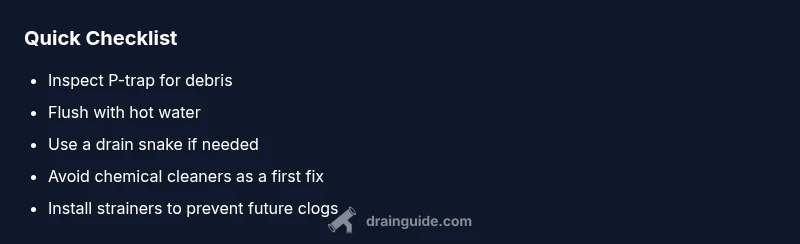
Most drainage problems start with a simple clog or venting issue. Begin with quick, safe checks: clear the P-trap, flush with hot water mixed with baking soda and vinegar, and try a plunger on the affected fixture. If drainage remains slow or backs up, escalate to a drain snake and consider professional help.
Understanding Drainage Problem Solution
A drainage problem solution is not just about pulling a stubborn clog; it is about diagnosing how water flows through your home’s plumbing and identifying where that flow is being held up. When a drain slows or backs up, the symptom is a message from the system: something is impeding the path of least resistance. The Drain Guide team emphasizes a structured, safety-first approach. Start with basic checks and progress to more involved steps only as needed. The goal is to restore normal drainage while protecting your pipes and septic system. Throughout this guide, keep the keyword drainage problem solution in mind as you assess each fixture, because most issues originate from common, repeatable scenarios that homeowners can manage. By treating drains as a system—water flow, venting, and trap seals—you can often solve tough problems without expensive repairs.
Early action matters. Small clogs can grow into bigger problems if ignored, and minor venting issues can cause slow drainage or gurgling that worsens after each use. By combining simple maintenance with a clear plan, you can prevent recurring issues and extend the life of your plumbing. Drain Guide recommends documenting the steps you take and using a consistent routine for every drain in the home. This consistency helps you notice changes quickly and reduces the guesswork when problems arise.
Common Causes of Drainage Problems
Drainage problems flow from several predictable sources. Hair and soap scum are frequent culprits in bathroom drains, forming stubborn buildup that traps debris and slows water flow. In kitchens, grease and food particles can cling to the pipe walls, creating a backlog that worsens with every disposal. Mineral buildup and sediment can reduce pipe diameter over time, especially in older homes. Tree roots can invade buried sewer lines, causing backups and foul odors. Finally, improper venting or a clogged vent stack can trap air and slow drainage, producing gurgling sounds and slow flow across fixtures. Understanding these causes helps you prioritize fixes: remove obvious blockages, improve maintenance routines, and consider professional evaluation when roots or vent issues are suspected. Regular drain maintenance—like cleaning P-traps and using strainers—reduces the chances of future clogs and keeps your drainage system running smoothly.
Quick Fixes You Can Try Right Now
If you’re facing slow drainage, start with the simplest interventions first. Remove and clean the P-trap under the sink to clear hair and debris. Reassemble securely and run hot water through the system to flush residue. A baking soda and vinegar treatment can loosen organic buildup, followed by a hot water flush. For stubborn clogs, a hand-crank drain plunger can generate the pressure needed to dislodge the blockage. Avoid chemical drain cleaners when possible; they can damage pipes, especially PVC and older metal lines, and they won’t fix root intrusions or vent problems. If the fixture still drains slowly or backs up, it’s time to escalate to mechanical methods such as a drain snake. Remember to test after each step and stop if any pipe or joint shows signs of damage. If you’re unsure about pipe material or venting, seek professional guidance. Drain maintenance is safer and more effective when you follow a planned sequence rather than random attempts.
Diagnostic-Flow: Symptom to Diagnosis
A structured diagnostic flow helps you identify the root cause without unnecessary guesswork. Start by noting the symptom: slow drainage, complete backup, gurgling sounds, or odors. If one fixture is affected while others are fine, the issue is likely local (hair, soap, grease, or a trapped trap). If multiple fixtures back up, consider a main line clog, sewer line issue, or venting problem. Hairy clogs often respond to a drain snake, while grease requires mechanical removal and thorough flushing. Gurgling voices from the stack usually indicate venting or drainage-pipe issues. If you encounter odors near the drain, check for a dry P-trap or sewer gas intrusion. As you test each fix, document what worked and what did not. If you cannot confirm the cause or the problem recurs after fixes, professional evaluation is recommended to prevent further damage and ensure code-compliant repairs.
Step-by-Step: Fix for the Most Common Cause
The most common cause of slow drainage in many homes is a hair-clogged bathroom drain. Follow these steps to address it safely and effectively. Step 1: Put on gloves and place towels to catch spills. Step 2: Place a bucket under the P-trap, loosen the slip nuts, and remove the trap. Step 3: Clear hair and debris from the trap and pipe section, then rinse with warm water. Step 4: Reassemble the trap with tight fittings and check for leaks. Step 5: Use a drain snake to clear any remaining obstruction in the drain line beyond the trap. Step 6: Re-test by running hot water through the drain. If the clog persists or you notice a foul odor or sewage backup, call a licensed plumber. Tip: Keep a small brush handy to scrub the trap’s interior and prevent future buildup. Safety note: Never use forceful chemical cleaners as your first option for hair clogs; mechanical removal is safer for most household drains.
Prevention and Maintenance to Avoid Future Problems
Prevention is the best cure for drainage issues. Use sink strainers in bathrooms and kitchens to catch hair and solids, and empty them regularly. Avoid pouring fats, oils, and grease down kitchen drains; dispose of them in the trash. Run hot water after using the disposal or washing dishes to help carry solids through the pipes. Schedule periodic P-trap cleanings and consider a yearly snake inspection for long runs or older piping. If you have a septic system, maintain a healthy balance of bacteria and avoid flushing non-degradable items. Finally, be mindful of vent stack access and ensure outdoor cleanouts are accessible for maintenance. A proactive maintenance plan reduces downtime and extends the life of your drainage system.
Steps
Estimated time: 60-90 minutes
- 1
Shut off water and prepare area
Before starting, place towels, wear gloves, and gather tools. This protects you from spills and keeps the workspace orderly while you address the drainage issue.
Tip: Have rags ready to clean up any splashes. - 2
Inspect and remove the P-trap
Place a bucket underneath the P-trap, loosen the slip nuts, and remove the trap. Clear debris by hand, then rinse with warm water before reassembling.
Tip: Inspect for cracks or wear; replace if damaged. - 3
Clear the drain line with a snake
Insert the drain snake into the pipe and gently rotate as you feed it in. Break up the clog and extract any hair or solid material.
Tip: Do not force the snake; stop if you meet resistance. - 4
Flush and test the drain
Reinstall the trap, restore water supply, and run hot water through the drain to flush out remaining debris. Observe for slow drainage or leaks.
Tip: Run several seconds of water after any cleaning step. - 5
Address stubborn clogs
If the clog persists beyond the trap, repeat with the snake further into the line or consider professional help. Do not use chemical cleaners as the primary fix.
Tip: Document the steps for future reference. - 6
Prevent future clogs
Install strainers, avoid pouring grease down the drain, and perform routine cleanings to reduce the chance of recurrence.
Tip: Establish a monthly maintenance check.
Diagnosis: Water drains slowly from a fixture
Possible Causes
- highHair or soap scum buildup
- mediumGrease or food debris in kitchen drain
- lowVent clog or constraint
Fixes
- easyRemove and clean the P-trap and nearby pipe sections
- mediumUse a drain snake to break up or pull out the clog
- hardCheck and clear the vent stack with professional help if needed
Got Questions?
What is the quickest sign of a drainage problem?
Common fast indicators are slow drainage, gurgling sounds, and occasional backups. These symptoms warrant a quick inspection of the P-trap and nearby piping.
Look for slow drainage, gurgling sounds, or backups as the quickest signs to start inspecting your drains.
Are chemical drain cleaners safe for home plumbing?
Chemical cleaners can damage pipes and septic systems and often don’t reach deeper blockages. Prefer mechanical methods like plungers and drain snakes first.
Chemical cleaners can harm pipes; use plungers or snakes first and call a pro if needed.
When should I call a plumber?
Call a plumber if multiple drains back up, you smell sewer gas, or the clog persists after mechanical attempts. Persistent issues may indicate main line or vent problems.
If several drains back up or you smell sewer gas, it's time to call a plumber.
Can I fix a clogged drain myself?
Yes for straightforward clogs like hair or small debris using a plunger or snake. More complex problems require professional equipment and assessment.
You can fix simple clogs yourself, but complex problems call for a pro.
How can I prevent future clogs?
Use strainers, avoid pouring grease down drains, and perform regular maintenance like trap cleaning and annual snake checks to reduce risk of future clogs.
Prevent clogs by using strainers and doing regular maintenance.
Watch Video
The Essentials
- Identify the symptom and prioritize simple fixes
- Avoid harsh chemicals in favor of mechanical methods
- Check P-traps and venting as common culprits
- Create a prevention routine to avoid future clogs