Fix Drain Smell: A Practical DIY Guide
Learn to fix drain smell with a practical, step-by-step guide from Drain Guide. Identify causes, clean traps, and prevent odors in kitchen, bathroom, and laundry drains.


You will learn how to diagnose common drain odors, choose safe cleaners, and apply a proven sequence to remove smells from kitchen, bathroom, and laundry drains. This guide covers trap checks, sanitation steps, vent considerations, and preventative tips. Before you start, gather basic tools, gloves, a flashlight, and good ventilation.
Why fix drain smell matters
A persistent odor from a sink, shower, or laundry drain is more than an annoyance—it points to underlying drainage issues that can affect indoor air quality and home comfort. The phrase fix drain smell captures the goal: identify the source, select safe cleaning methods, and prevent recurrence. In many homes, the odor originates from a dry trap that has lost its water seal, allowing sewer gases to escape into living spaces. However, a stagnant film of biofilm, grease, or soap scum can also harbor bacteria that emit sulfurous notes. Understanding the typical culprits makes the fix straightforward: most odors come from ordinary, addressable maintenance tasks rather than major plumbing work. Drain Guide has found that a disciplined routine—trap inspection, targeted cleaning, and vent verification—eliminates nearly all residential odors without expensive service calls. While some situations require professional input, the majority of smell problems can be resolved by a homeowner with the right steps and tools. This guide provides a practical, kitchen- to bathroom-wide approach to fix drain smell and keep it from returning.
Common causes of odor in drains
Drain odors originate from several common mechanisms. A dry P-trap is the most frequent cause: when fixtures sit unused for days, the water in the trap evaporates and sewer gases can seep into the room. Biofilm—a slimy layer of bacteria that forms on the interior surfaces of pipes—produces sulfur-like smells as it decomposes. Grease, soap scum, and hair can trap organic matter, creating a reservoir that bacteria feed on. In kitchens, food residues and disposal residues contribute to odors; in bathrooms, hair and mineral buildup can accumulate. Venting problems also play a role: if the vent stack is blocked or undersized, gases build pressure and push odors back into the home. In some cases, a garbage disposal or a clogged drain line can create backups that intensify smells. Recognizing whether the smell is a dry-trap issue, a buildup problem, or a venting problem helps you apply the right method to fix drain smell efficiently. Drain Guide's experience shows most residential odors respond to a targeted, non-chemical approach first, reserving harsher cleaners for stubborn cases.
Starter diagnostic checks you can perform
Begin with a quick, non-invasive check to pinpoint the source of the odor. If you suspect a dry trap, slowly pour water into the fixture to restore the water seal and observe whether the smell subsides—this is a simple test of whether the trap is the culprit. Next, inspect accessible traps and trap arms for cracks or leaks; a loose connection can allow sewer gases to escape. Listen for gurgling sounds after flushing or running water; persistent gurgling often indicates venting issues or a partial blockage. Use a flashlight to examine the top of the drain for buildup around the rim and in the p-trap area. If the odor persists after these checks, proceed to a cleanup sequence described in the next section. Keeping records of what you tested helps you spot patterns over time and avoid repeating steps that haven’t solved the problem. The quick diagnostic checks set you up for a structured, effective fix drain smell process.
Cleaning methods for different drain types
Once you have identified the likely source, apply cleaning methods that fit the drain type. For kitchen sinks and garbage disposals, start with a hot water flush to loosen grease and soap scum, then use a baking soda and vinegar treatment to lift biofilm. Pour one cup baking soda into the drain, followed by one cup white vinegar; cover for 15 minutes to keep the fizz active, then flush with hot water. For bathroom drains, a similar approach works well, but you may also scrub accessible trap surfaces with a small brush to remove mineral and slime deposits. Enzymatic cleaners can be useful for persistent organic buildup because they break down proteins that bacteria feed on, but avoid mixing cleaners—especially bleach—with other chemicals. For disposals, run cold water through the unit while you power it briefly to loosen particles. After cleaning, re-check the trap for moisture; a well-sealed trap is essential to prevent re-smelling. If a vented system is suspected, professional inspection may be required.
Prevention and maintenance routines to keep drains odor-free
Prevention is simpler than repeat cleaning. Maintain an ongoing rhythm: keep traps moisturized with water when fixtures are unused, run hot water through sinks and tubs weekly, and perform a monthly baking soda and vinegar treatment to deter biofilm buildup. Regularly inspect for hair, grease, or soap film in trap areas and wipe down accessible surfaces with a mild cleaner. For disposals, run continuous cold water during operation and avoid putting fibrous scraps down the disposal. If you have a laundry drain, use a mesh screen to catch lint and hair; lint can become a fatty, odorous film if left to accumulate. A dry vent or a slight blockage can change how quickly odors appear; if you notice repeated smells after routine maintenance, escalate to a vent check or a professional evaluation. By integrating these habits, you’ll reduce the frequency and intensity of odors and preserve the efficiency of your drainage system.
When to call a professional
If the odor remains after performing trap checks, cleaning, and vent tests, or if you detect sewage backups, persistent gurgling, or leaks, a licensed plumber should assess the system. Unusual sewer gas odors combined with strength or color changes in water indicate deeper problems that require professional equipment and testing. If your home uses a septic system, unusual odors can reflect septic health concerns beyond the main line; a professional can determine whether the problem is within the house drain or the septic field. Drain Guide recommends starting with a professional evaluation if you notice a strong sulfur smell that does not subside after cleaning, or if you recently renovated and odors appeared afterward.
Authority sources
To support the guidance on drain maintenance and safe cleaning practices, consult widely recognized sources: https://www.epa.gov/iaq, https://www.osha.gov, and https://www.cdc.gov
Tools & Materials
- gloves (nitrile recommended)(Protect hands from cleaners and debris)
- flashlight(Inspect dark traps and passageways)
- bucket(Catch water and debris during trap removal)
- drain snake / auger(Optional for stubborn blockages)
- screwdriver or pliers(Access trap fittings if needed)
- baking soda(About 1 cup per treatment)
- white vinegar(About 1 cup per treatment)
- hot water(Boiled or near-boiled; ready to flush)
- old toothbrush / brush(Scrub trap and surfaces)
- enzyme cleaner (optional)(Safer for ongoing maintenance)
Steps
Estimated time: 30-60 minutes
- 1
Inspect the drain trap and seal
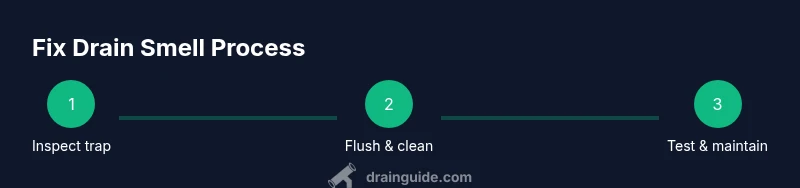
Locate the P-trap under the sink and any cleanout; check for leaks, cracks, or loose connections. If needed, carefully remove the trap for a thorough rinse and visual inspection. Confirm the trap has water to maintain the seal and prevent sewer gases from escaping.
Tip: Take a photo of connections before disassembly to ease reassembly. - 2
Flush with hot water to clear debris
Boil water and slowly pour down the drain to push out soap scum and grease. Run water for 30-60 seconds after removing solids to ensure a clean path. This step often reduces odor-causing residue.
Tip: Do not pour boiling water into PVC pipes if they show signs of damage. - 3
Sanitize with baking soda and vinegar
Pour 1 cup baking soda into the drain, followed by 1 cup white vinegar. Cover for 15 minutes to let the fizz loosen biofilm, then flush with hot water. This non-bleach combo is effective for organic buildup.
Tip: Avoid mixing with bleach; if you use cleaners, give a full rinse between products. - 4
Clean the trap and trap arm
Scrub the interior of the trap and accessible trap arm with a brush to remove slime and mineral deposits. Reassemble tightly and test for leaks. If you still smell, the trap may be cracked or not sealed properly.
Tip: reinstall using plumber's tape on threaded joints to prevent leaks. - 5
Address venting and system-wide smells
If odors persist, inspect the vent stack for blockages; a clogged vent can force gases into the living space. Use a flashlight to look upward from the drain opening; do not seal vent openings. If you suspect vent issues, call a professional.
Tip: Never seal a vent opening; proper venting is essential for drainage and odor control. - 6
Prevent future odors with routine maintenance
Establish a simple weekly routine: flush with hot water, and perform a monthly baking soda and vinegar treatment. Keep traps topped up with water to prevent drying out, and run disposals with cold water to avoid emulsifying fats that stick to pipes.
Tip: Mark a maintenance calendar to track when you last cleaned traps.
Got Questions?
What causes drain smells?
Drain smells usually come from dry traps, bacterial biofilm, grease buildup, or sewer gases; poor venting can amplify odors. Identifying the source guides the cleaning method.
Drain smells come from dry traps, biofilm, grease, or sewer gases, often worsened by poor venting. Start with the trap, then address buildup and venting.
Can baking soda and vinegar fix drain smell?
Baking soda and vinegar can lift organic buildup and freshen drains without harsh chemicals, but they won’t fix deep cracks or venting problems. Use as a maintenance step.
Baking soda and vinegar can help with buildup but won't fix a cracked trap or vent issue. Use as part of regular maintenance.
Is it safe to use bleach to clean drains?
Bleach can disinfect drains, but it can react with other cleaners and harm septic systems. Use sparingly and never mix with acids; prefer enzyme-based cleaners for regular maintenance.
Bleach can disinfect but should be used cautiously, and never mixed with other cleaners. For most homes, enzyme-based cleaners are safer for regular maintenance.
How often should I maintain drains to prevent smells?
A simple weekly hot-water flush and a monthly baking-soda-and-vinegar treatment work well for many homes. Adjust based on odor frequency and usage.
Weekly hot-water flushes and monthly baking-soda-and-vinegar treatments help prevent odors; adjust for your household.
What if the smell returns after cleaning?
If odors persist after cleaning, check for dry P-traps in unused fixtures, inspect for leaks, and consider a professional inspection for venting or sewer-line issues.
If the smell keeps coming back, check dry traps and venting; you may need a plumber for deeper issues.
When should I call a plumber?
Call a plumber if the odor persists after traps, vent checks, and safe cleansing, or if you notice sewage backups, persistent gurgling, or water leaks.
Call a plumber if odors persist after cleaning or you notice backups or leaks.
Watch Video
The Essentials
- Identify whether the odor is from a dry trap, biofilm, or venting issue
- Use baking soda and vinegar to lift organic buildup safely
- Regular trap maintenance prevents most odors
- Vent concerns may require a pro if the odor persists