What to Do for Drains That Smell: A Homeowner’s Guide
Learn practical, step-by-step ways to fix smelly drains at home. Diagnose odors, clean safely, and prevent future backups with Drain Guide.


What causes drains to smell
Smells from household drains almost always point to three root causes: organic buildup, a dry or blocked P-trap, and venting or sewer-gas issues. Organic buildup forms when food particles, soap scum, hair, grease, and minerals cling to pipe surfaces. Bacteria feed on this debris, producing sulfur compounds that emit rotten-egg or sour odors. A second common cause is a P-trap that is dry or partially blocked. The P-trap is designed to hold water to block sewer gases; when that water evaporates or leaks away, gases can slip back into the room, especially in rarely used sinks. Finally, venting problems in your plumbing system can allow sewer gases to travel back through drains when the vent stack is clogged or blocked by leaves, bird nests, or snow. Drain Guide's analysis, 2026, shows that most odor issues are linked to buildup and traps rather than complex sewer failures. Diagnosing the exact cause early helps you pick the right fix and avoid unnecessary chemical cleaners.
100-0 10
Quick checks you can do before cleaning
Before grabbing cleaners, perform quick checks. Verify the P-trap has water by placing a bucket beneath and ensuring the seal is intact; if it looks dry, run water until the seal returns. Look for cracks, leaks, or loose joints in the trap and under the sink. Inspect the disposal (if present) for buildup and ensure the connections are tight. Sniff near the drain briefly to confirm odors originate there; if multiple drains smell, the issue may be venting or sewer line rather than the trap. If checks reveal no obvious cause or the odor persists after basic checks, plan a deeper cleaning and consider professional assessment. Drain Guide notes that these initial checks save time, reduce mess, and prevent unnecessary chemical use.
Daily habits to reduce odor
Develop daily habits that minimize buildup. Run hot water down every drain for 15-30 seconds after meals and after dishwashing to push fats through the pipes. Use a small amount of dish soap and hot water weekly to soften deposits. Avoid pouring cooking grease or oil down the sink; instead, collect in a metal container for disposal. Clean the garbage disposal monthly by running ice and citrus peels to scrub the interior. Use mesh strainers to catch hair and food particles, and wipe the area around the sink to minimize residues. Consistent maintenance reduces the frequency of deeper cleanings and helps keep drains smelling fresh.
Deep-clean methods: hot water, baking soda, vinegar
For a chemical-free deodorizing approach, start with hot water to loosen buildup, then apply baking soda and vinegar. Boil a kettle or pot of water and slowly pour it down the drain to loosen mineral deposits. Add one cup of baking soda into the drain, followed by one cup of white vinegar. Let the fizzing action work for 5-10 minutes, then flush with hot water to rinse away loosened debris. If odor lingers, repeat the cycle once more and finish with another hot-water flush. Avoid mixing caustic cleaners with vinegar, and never mix cleaners with bleach. This method is effective for routine odors and gentle on pipes, especially when you have time for a longer treatment window.
Enzymatic cleaners and when to use them
Enzymatic cleaners digest organic matter and can help with ongoing odor control. They work best as a maintenance step rather than a rapid fix for strong smells, and are gentler on septic systems. Use enzymatic cleaners after a thorough initial cleaning to maintain odor control and prevent new buildup. Follow label directions for dosage and contact time, and avoid using enzymatic products alongside incompatible chemical cleaners. Drain Guide recommends enzymatic cleaners as a preventive measure, especially in households with sensitive plumbing systems or septic tanks.
Cleaning the P-trap: disassembly steps
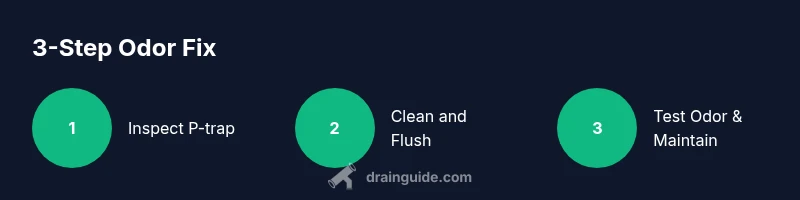
Disassembling the P-trap is often the most effective way to remove trapped debris. Turn off the water supply, place a bucket under the trap, and use an adjustable wrench to loosen the trap nuts. Carefully remove the U-shaped trap, empty its contents, and scrub the interior with a brush and dish soap. Rinse thoroughly and inspect for cracks or wear; replace if damaged. Reassemble with tight joints and run hot water to flush downstream pipes. If the trap is heavily corroded, replace it. Use plumber’s tape on threaded fittings as needed and check for leaks after reassembly. This step addresses the most common odor source: trapped debris and bacterial buildup within the trap.
Venting and sewer gases: when odors persist
Persistent odors after trapping cleaning may indicate venting problems or sewer gas intrusion. A blocked vent stack can cause gases to back up into fixtures, so inspect roof vents for blockages and clear them if safe. If the vent is blocked or the problem persists, professional ventilation assessment is warranted. In some homes, a deeper sewer-line issue may be present, requiring camera inspection. Drain Guide notes that persistent odors often signal venting problems or pipe issues that need professional evaluation. If you smell sewer gas strongly, stop using the drain and call a licensed plumber.
Long-term prevention and maintenance schedule
Establish a simple maintenance calendar to prevent odors from returning. Schedule monthly hot-water flushes and a baking-soda-vinegar deodorizing cycle. Inspect traps annually for wear and leaks, and replace damaged components promptly. Use mesh strainers and keep surfaces dry to minimize residues. If you have a septic system, adhere to recommended pumping schedules and use enzymes sparingly to protect beneficial bacteria. Maintain a proactive mindset toward prevention rather than reacting to odors, as Drain Guide endorses routine maintenance to extend your plumbing's life and reduce odor risk.
Safety and when to call a professional
This work involves basic plumbing and careful handling of cleaners. Wear gloves and eye protection, ensure good ventilation, and never mix cleaners (especially bleach with ammonia or acids). If you detect sewage-like odors, suspect a venting problem, or observe leaks, contact a licensed plumber. Do not attempt major pipe repairs yourself. The Drain Guide team recommends professional evaluation when at-home steps fail to resolve the odor or when you notice signs of structural damage or sewer-gas exposure.