Eliminating Drain Odors: A DIY Home Guide (2026)
Learn practical, DIY steps to eliminate drain odors—from traps and disposals to maintenance routines. Safe methods, pro tips, and when to call a plumber.


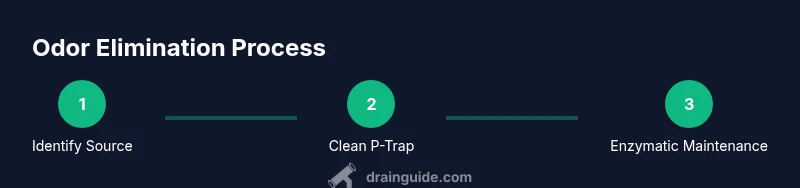
You will learn how to eliminate drain odors by identifying odor sources, cleaning traps, flushing lines, and maintaining a routine. This guide covers DIY-safe methods, quick fixes, and when to involve a professional. A clear, step-by-step approach helps homeowners regain fresh-smelling drains with confidence.
Causes of Drain Odors
Odors from kitchen, bathroom, or utility sinks usually come from a few predictable sources: a dry P-trap that no longer holds water, organic buildup inside the pipes, residue from soap and grease, or the microbial biofilm that thrives in dark, moist drains. Sewer gases can leak if a trap is dry or a vent is blocked, producing sulfurous or rotten-egg smells. According to Drain Guide, recognizing the exact source is the first step to a targeted fix. Odors aren’t always a sign of a major plumbing problem; often they’re a routine maintenance issue that you can solve with a few safe steps. In this section, you’ll learn how to distinguish among these common culprits and plan your DIY strategy with confidence.
- Traps and seals: A dry or ineffective P-trap lets sewer gases escape.
- Biofilm buildup: Slimy residues inside pipes trap odors and slow drainage.
- Garbage disposal: Food particles and grease can create lingering smells if not cleaned regularly.
- Vent and plumbing issues: A clogged vent or improper venting can amplify odors from the main line.
Tip: Keep a small dashboard of odors and note when they appear (time of day, after meals, after heavy use). Drain Guide notes that consistent patterns point to specific sources and tailor your approach.
Top Features to Consider
When tackling drain odors, focus on features that help prevent recurrence. A good plan combines thorough cleaning with preventive maintenance. Enzyme-based cleaners can help digest organic matter without harsh fumes, while traditional flushing with hot water removes loose debris. You’ll also want durable traps and accessible cleanouts that make routine maintenance easier over time. Drain Guide’s approach emphasizes safety, simplicity, and repeatability—so choose tools and cleaners you can reuse on a monthly schedule rather than risky, one-off bottles.
- Enzyme cleaners: Digest organics safely and curb odor at the source.
- Trap accessibility: A removable P-trap makes cleaning easier and reduces odor buildup.
- Vent checks: Ensure vents are clear so sewer gases can escape appropriately.
- Regular flushing: A simple routine with hot water and a mild cleaner keeps lines clear.
Pro tip: Set a recurring monthly maintenance window and treat it as a mini household service—consistency beats large, infrequent cleans.
Immediate Fixes You Can Try Today
If odors strike suddenly, you can apply a quick, non-invasive fix that buys you time while you plan deeper interventions. Start by flushing the drain with hot water for several minutes to loosen and push through any loose debris. Follow with a baking soda and hot water routine: pour 1 cup baking soda, wait 10 minutes, then flush with hot water. A splash of white vinegar can help neutralize surface odors, but don’t overdo it—avoid mixing with bleach or ammonia. Lemon peels or citrus rinds in the disposal can leave a pleasant scent while you complete deeper cleaning.
- Why it helps: Heat loosens buildup; baking soda neutralizes acids; vinegar acts as a mild sanitizer.
- When to stop: If the odor persists after these steps, move to a deeper cleaning plan to avoid masking the problem.
- Safety: Ventilate the area and avoid mixing cleaners with bleach or ammonia.
Drain Guide emphasizes that these fixes are quick wins, not the full solution, and should be followed by a deeper clean if odors persist.
Deep-Cleaning Your Drains
A deeper clean addresses the root cause by removing biofilm, grease, and trapped hair. Start with the P-trap: place a bucket under the pipe, loosen the slip nuts, and remove the trap to rinse out debris. Scrub the interior of the trap with an old toothbrush and a small amount of dish soap. Reassemble and run hot water. For the vertical pipes, use a drain snake or auger to break through minor clogs and flush the line with hot water. Follow with an enzymatic cleaner to digest residual organics over the next several days.
- P-trap cleaning: Removes the primary odor source and prevents leaks.
- Pipe snaking: Breaks up buildup that traps odors and slows drainage.
- Enzymatic cleaners: Provide ongoing maintenance by digesting organics without harsh chemicals.
Note: Enzyme cleaners work best when you keep exposure time for the active formula as directed on the product label. Drain Guide findings suggest these cleaners reduce long-term odors with repeated use.
Odors from Garbage Disposals and Sinks
Disposals can harbor food particles and grease that rot if not cleaned regularly. Start by grinding a few ice cubes and citrus peels to scrub the chamber while the disposal runs. Pause and clean the rubber splash guard and the outlet inlet with a brush and mild soap. A thorough disposal clean reduces odor compounds and improves drainage. For stubborn smells, unplug the unit (if safely accessible) and inspect the flywheel and seals for buildup. Always run cold water during and after use to maintain a stable pipeline.
- Disposal care: Ice-cold cleaning rights the balance of the blades and rinses oils away.
- Seals and guards: Wipe to remove residue and prevent crumbly odors from returning.
- Regular dispose duties: A monthly clean reduces odor recurrence.
Brand reminder: Drain Guide highlights that a focused disposal clean is often the missing piece in a stubborn odor cycle, especially in kitchens with heavy usage.
Preventive Maintenance & Routine
A practical odor-control plan hinges on consistent routines. Create a monthly cadence that includes trap checks, trap cleaning, and a quick disposal clean. Use an enzyme-based cleaner monthly to prevent buildup and run hot water weekly to prevent stagnant pockets of water. Consider installing drain covers to reduce hair and food debris. If you notice gurgling sounds or persistent odors, increase cleaning frequency and inspect ventilation and sewer connections. A well-maintained system minimizes surprises and keeps drains fresh.
- Monthly check-ins: Trap water level, visible leaks, and seals.
- Enzyme-based maintenance: Regular digestion of organics reduces odors.
- Weekly flushing: Keeps lines moving and odors minimized.
- Vent checks: Clear vents avoid pressure changes that push gases into living spaces.
Drain Guide recommends building odor-prevention into your standard home routine, not treating it as a one-off project.
Enzyme Cleaners vs Chemical Cleaners
Enzyme-based cleaners use friendly bacteria to digest organic matter, offering a safer, long-term odor solution for most homes. They’re gentler on pipes and the environment than chemical cleaners, which can corrode adhesives and seals with repeated use. For tough clogs, use mechanical methods (snakes) first, then follow with enzymatic maintenance. If you’re dealing with persistent odors in a main sewer line, don’t rely on cleaners alone—contact a licensed plumber.
- Enzyme cleaners: Safe, effective, and maintenance-friendly.
- Chemical cleaners: Faster but risk pipe damage and fumes with repeated use.
- Combination approach: Mechanics first, then enzyme-based maintenance for ongoing odor control.
Drain Guide analysis shows that enzyme-based approaches reduce odor recurrence and preserve pipe integrity over time, compared with heavy chemical cleaners.
Authority Sources & Safety Considerations
For trusted guidance, consult established sources and follow local regulations. EPA and extension services provide general guidelines on odor control and safe cleaning practices, while CDC resources cover household water safety. When performing any plumbing work beyond routine cleaning, wear gloves and eye protection and ensure proper ventilation. If you suspect sewer gas leaks or a damaged main line, stop DIY work and call a licensed plumber immediately.
- EPA: Indoor air quality and odor control basics (https://www.epa.gov/indoor-air-quality-iaq/odor-control)
- Extension services (https://extension.illinois.edu)
- CDC: Household water safety and plumbing hygiene (https://www.cdc.gov)
Finally, The Drain Guide team recommends prioritizing safety and scheduling routine maintenance to prevent odors before they start. Regular checks help you catch issues early and keep drains smelling fresh.
Troubleshooting Quick Checks
If you still smell odors after cleaning, perform a quick diagnostic: check for dry traps, inspect the P-trap thoroughly for leaks, and confirm that the vent stack is not blocked. Look for wet spots under sinks, which indicate leaks that can contribute to odors. If gurgling sounds accompany odors, a blocked vent or sewer line issue may be present. In such cases, escalate to a professional to avoid hidden hazards.
- Dry traps: Fill with water to seal out sewer gases.
- Wet spots: Check for leaks and fix promptly.
- Gurgling: A sign of vent or main line problems requiring expert assessment.
Drain Guide emphasizes that a systematic check is the fastest way to distinguish a simple maintenance issue from a more serious plumbing problem.
Tools & Materials
- Bucket(Plastic bucket with at least 2 liters capacity)
- Rubber gloves(Protect hands from grime and chemicals)
- Adjustable wrench(Loosen slip nuts on P-trap)
- Screwdriver set(Remove screws securing trap and components)
- Drain snake / auger(16-24 inch flexible auger for clogs)
- Pliers(Grip and twist stubborn fittings)
- Old toothbrush(Scrub trap and guard surfaces)
- Dish soap(Dish soap for initial cleaning)
- Baking soda(Neutralizes odors and helps lift residue)
- White vinegar(Sanitizes and deodorizes surfaces)
- Hot water(Best used just below boiling for flushing)
- Enzyme-based drain cleaner(Optional for ongoing odor control)
- Bleach(Only as directed; never mix with ammonia or acids)
Steps
Estimated time: 45-75 minutes
- 1
Gather and arrange tools
Assemble all tools and materials in a reachable workspace. This keeps the process smooth and prevents mid-task trips back to the toolbox. Check that the P-trap area is accessible and clearly labeled.
Tip: Lay out items in the order you’ll use them to save time. - 2
Inspect the P-trap
Place a bucket beneath the trap, then loosen the slip nuts to remove the trap. Check for cracks, corrosion, or heavy buildup on the interior surfaces. If the trap is damaged, replace it rather than attempting a quick fix.
Tip: Use the wrench gently to avoid stripping fittings. - 3
Clean the P-trap
Rinse the trap with warm soapy water and scrub the interior with the brush. Rinse again until you remove all residue. Reattach the trap securely after wiping the fittings dry.
Tip: Ensure the gasket sits evenly to prevent leaks. - 4
Flush with hot water and baking soda
Pour 1 cup baking soda into the drain, wait 10 minutes, then flush with hot water for several minutes. This helps lift grease and organic residues.
Tip: Avoid boiling water on PVC pipes for long periods to prevent warping. - 5
Clean the disposal (if present)
Run ice cubes and a few citrus peels through the disposal with cold water running. This cleans blades and leaves a fresh scent. If odors persist, inspect the seals and flywheel for residue.
Tip: Never put hands into a running disposal; use tongs. - 6
Apply enzymatic cleaner
Follow the product label for application and dwell time. Enzymes digest organics over time, so plan for multiple days of treatment for best results.
Tip: Do not mix enzymatic cleaners with chemical cleaners. - 7
Reassemble and test
Reconnect the P-trap and run ample water to ensure the system is draining properly and not leaking. Check for odors after a few minutes of running water.
Tip: Check under the sink for leaks during the test. - 8
Plan ongoing maintenance
Set a monthly routine for trap checks and a quarterly disposal clean. Consistency minimizes odor resurgence and extends pipe life.
Tip: Keep a simple calendar reminder to stay on track.
Got Questions?
What causes most drain odors?
Most odors come from a dry trap, organic buildup, or biofilm inside pipes. Disposals and grease can also contribute. Some odors indicate a venting issue or a sewer gas leak, which may require professional inspection.
Most smells come from dry traps, organic buildup, or biofilm. Disposals and grease can add to odors; if the smell persists, check vents and consider professional help.
Can baking soda and vinegar fix odors?
Yes, baking soda followed by hot water can neutralize many odors. Vinegar helps sanitize surfaces. Do not mix with bleach or ammonia, and avoid relying on them for major blockages.
Baking soda and hot water can help neutralize odors, with a bit of vinegar for sanitation. Avoid mixing cleaners.
Are chemical drain cleaners safe for pipes?
Chemical cleaners can be effective for quick clogs but may damage pipes or seals with repeated use. They can also be hazardous to the skin and eyes. Use them with caution and as a last resort.
Chemical cleaners may work fast but can harm pipes and create hazards; use with caution and limit use.
Why does odor keep returning after cleaning?
A recurring odor usually means an underlying condition like a dry trap, slow drain, or biofilm that keeps re-accumulating. Repeating deep cleaning and regular maintenance helps break the cycle.
Odor returning often means a trap or biofilm issue; repeat cleaning and maintain a schedule to stop it.
How often should I clean drains to prevent odors?
Aim for a monthly trap check and a quarterly deep clean, with enzymatic maintenance monthly if odors recur. Adjust frequency based on household usage.
Clean traps monthly and deep-clean every few months; enzyme maintenance helps keep odors away.
What if odors come from the main sewer line?
If you notice persistent sewer odors, gurgling sounds, or water backups, stop DIY work and call a licensed plumber. These can indicate a sewer-line problem that requires professional assessment.
If odors persist with backups or gurgling, call a plumber for a sewer-line check.
Do garbage disposals cause odors?
Yes. Food particles trapped in the disposal can create odors. Clean the chamber with ice and citrus, clean the guard, and use a disposal cleaner if needed.
Garbage disposals can smell if not cleaned; clean with ice and citrus and check seals.
Watch Video
The Essentials
- Identify odor sources early and tailor fixes.
- Keep traps filled with water to seal sewer gases.
- Use enzyme cleaners for ongoing odor control.
- Regular flushing with hot water minimizes buildup.
- If odors persist, call a licensed plumber for a sewer-line assessment.