DIY Drain Cleaner for Smell: A Practical Guide
Learn how to tackle stubborn drain odors with safe, DIY cleaners. This educational guide covers ingredients, step-by-step methods, safety, prevention, and when to call a professional. Drain Guide shares practical strategies for homeowners.


This guide shows safe, household methods to neutralize common drain odors using simple ingredients. You’ll learn when DIY cleaning is appropriate, which ingredients to use, how to apply them in a step-by-step process, safety precautions, and odor prevention strategies to protect your plumbing and septic system. The approach emphasizes practicality, safety, and low-cost solutions for everyday drains.
Understanding Drain Odors
Drain odors usually originate from bacteria feeding on organic residues in traps, pipes, and joints. When traps dry out, a suction effect can pull air and odors back toward the sink. A few simple, non-toxic cleaners can interrupt the odor cycle by removing organic buildup and rehydrating the traps. According to Drain Guide, in most homes the issue is a combination of buildup and dry seals rather than a dangerous gas leak. This section explains how odors form and why mild, home-safe solutions are often enough to restore freshness without harsh chemicals or professional intervention.
When to Try a DIY Cleaner
DIY cleaners are best for mild to moderate odors that recur after normal use, such as smells after dish washing, food scraps, or soap scum buildup. If sewage-like, rotten-egg, or persistent foul smells persist after routine cleaning, or if you notice gurgling, slow draining, or standing water, stop and assess further. In those cases, a more thorough inspection of P-traps, venting, or potential sewer line issues may be required. This section helps you decide if a DIY approach is appropriate, and when to escalate to a professional.
Safer DIY Ingredients for Smell Removal
The goal with DIY odor control is to neutralize residues and refresh seals without harming pipes or septic systems. Safe options include baking soda and white vinegar as a fizzing pair that helps break down organic films, followed by plenty of hot water to rinse away loosened debris. Enzyme-based cleaners can be a gentle follow-up for organic buildup in longer runs of pipe. Always avoid mixing vinegar with bleach or ammonia, which can create hazardous gases. This section covers ingredient choices, ratios, and when each works best.
Step-by-Step: Create a Safe Cleaner Mix
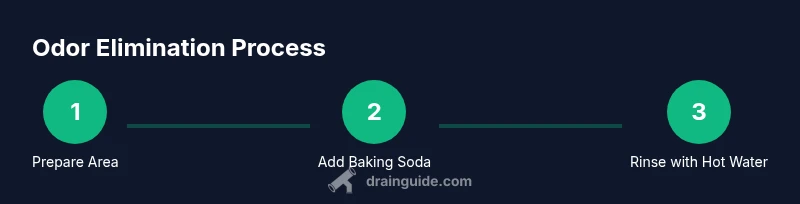
- Prepare the area with towels and remove standing water if possible. 2) Put on rubber gloves and safety glasses. 3) Pour 1/2 cup baking soda into the drain using a funnel if needed. 4) Slowly pour 1 cup white vinegar and cover the drain to contain fizzing for 5–10 minutes. 5) Flush with hot water (not boiling) for 1–2 minutes. 6) If odors linger, use a drain snake to break up hair or soap scum, then flush again. 7) Optional: follow with an enzyme-based cleaner after the fizzing step. 8) Rinse, dry the area, and keep the drain area clean. 9) Wash tools and dispose of waste properly. Total time is typically about 30–45 minutes.
How to Use the Cleaner Effectively
To maximize impact, treat the trap and the immediate pipe behind it. Pour the baking soda straight into the drain to coat the interior, then add vinegar to initiate fizzing that loosens debris. Use a slow, steady pour for even distribution and avoid splashing. After fizzing, flush with a generous amount of hot water to carry away loosened material. For longer runs or stubborn odors, repeat the cycle once.
Mechanical Aids for Odor Elimination
If the odor persists after a chemical fizz, mechanical aids become valuable. A plunger can help dislodge shallow clogs and move debris toward the trap; a hand auger or drain snake is effective for hair and solid blockages beyond the trap. Remove the P-trap if needed to clean it and inspect for buildup. Always wear eye protection when working with tools and handling drains. This section covers how to safely deploy these tools and what to expect during the process.
Common Mistakes and How to Avoid Them
The biggest mistakes are mixing incompatible cleaners, using excessive quantities, or skipping the rinse step. Never mix bleach with vinegar or ammonia—this can produce toxic gases. Avoid pouring boiling water directly into plastic pipes if your system warns against it; use hot water instead. Don’t ignore slow drainage or frequent odors. Addressing root causes prevents repeated odor issues, and routine maintenance reduces buildup.
Special Scenarios: Septic Systems, Garbage Disposals, and Outdoor Drains
Septic systems require extra care; avoid using enzyme cleaners in combination with chemical cleaners that could disrupt beneficial bacteria. For garbage disposals, run cold water while grinding to wash particles away; do not use caustic cleaners. Outdoor drains may carry leaves or soil that harbor odor; a rinse and trap-cleaning routine can help. Know when to consult local guidelines to protect your septic system and environment.
Long-Term Odor Prevention Tips
Create a regular maintenance routine: run hot water, baking soda, and vinegar on a schedule that suits your household; consider a monthly enzyme treatment if odors recur. Keep traps filled with water, inspect for leaks, and reduce the amount of organic residue entering the drain. Small habits, like using a screen to catch debris and wiping down the area after cooking, can significantly reduce odor occurrence over time.
When to Call a Professional
If the smell remains after multiple DIY attempts, or if you notice sewer-like gases, persistent gurgling, or slow drainage with backups, professional evaluation is recommended. A plumber can assess venting issues, pipe damage, or more complex blockages that DIY methods can’t safely resolve. This section helps you recognize red flags that indicate the need for expert help.
Quick Maintenance Routines
A minimal maintenance routine includes a quick weekly rinse with hot water, a light sprinkle of baking soda followed by vinegar a few times per month, and periodic checks of traps and seals. Quick wipe-downs and debris removal prevent buildup and keep odors at bay. The goal is to maintain a clean flow path and sealed traps with minimal effort.
Tools & Materials
- baking soda(1/2 to 1 cup depending on drain length)
- white vinegar(1 cup; use with baking soda for fizzing action)
- hot water(Boiling water in a kettle; use in batches)
- rubber gloves(Protect skin during handling)
- safety glasses(Eye protection)
- funnel(Helpful for pouring into narrow drains)
- plunger (cup or flange)(First mechanical step to dislodge minor clogs)
- drain snake / hand auger(Useful for hair or solid blockages)
- bucket(Catch spills and hold cleaners)
- old towels or rags(Cleanup and protection)
- enzyme-based drain cleaner (optional)(Follow-up treatment if odor persists)
- measuring cup/spoons(Accurate amounts for ingredients)
Steps
Estimated time: 30-45 minutes
- 1
Prepare area and safety gear
Put on rubber gloves and safety glasses. Place towels to catch spills and clear the work area so you can move around the sink safely. This reduces the chance of splashes and protects surfaces.
Tip: Tuck a towel under the sink trap to catch drips. - 2
Remove standing water
If there is standing water in the sink, remove it with a cup or small container. This ensures the cleaner contacts the drain opening and doesn’t overflow.
Tip: A shallow layer of water can prevent effective contact with the mixture. - 3
Pour baking soda into the drain
Pour 1/2 to 1 cup of baking soda directly into the drain opening. Spread it around the interior to coat the sides and start breaking down residues.
Tip: If you have a long drain, use a funnel to get the powder past the rim. - 4
Add vinegar and cover
Slowly pour 1 cup of white vinegar into the drain. Immediately cover the drain to trap the fizzing action for 5–10 minutes, which helps lift gunk from the pipe walls.
Tip: Avoid lifting the cover too soon; the fizzing needs time to work. - 5
Rinse with hot water
After fizzing, flush the drain with hot water in batches for 1–2 minutes. This carries loosened debris down the line.
Tip: Do not use boiling water on older PVC pipes if your household guidelines warn against it. - 6
Dislodge stubborn clogs (optional)
If odors persist, insert a drain snake and gently work it through the trap and immediate pipe. Retrieve and clean the snake to prevent re-deposits.
Tip: Take care not to scratch metal fittings with the snake. - 7
Follow with enzyme cleaner (optional)
If you have persistent organic buildup, apply an enzyme-based cleaner according to product directions after the fizzing cycle.
Tip: Enzymes act on organic matter but require time to work; avoid mixing with caustic cleaners. - 8
Final rinse and sanitize
Flush again with hot water, wipe down the area, and dry the sink surface to prevent new residues from forming.
Tip: Sanitizing the area reduces germs that can contribute to odors. - 9
Clean up tools and area
Rinse all tools, empty the bucket, and store items. A clean workspace prevents recurring odors.
Tip: Dispose of used towels and rags appropriately.
Got Questions?
Is baking soda and vinegar safe for septic systems?
In general, baking soda and vinegar are safe for septic systems when used in moderation. They don’t harm beneficial bacteria the way harsh chemical cleaners can, but avoid overuse and do not rely on them to fix severe blockages. If odors persist, consult a professional.
Yes, in moderation they’re typically safe for septic systems, but persistent issues should be evaluated by a professional.
Can DIY cleaners remove all odors?
DIY cleaners work best for minor to moderate buildup and odors. Strong or recurring smells may indicate deeper clogs or venting problems that require professional diagnosis.
They’re good for mild odors, but persistent smells may need a plumber.
How often can I safely use baking soda and vinegar?
Using baking soda and vinegar occasionally is generally safe. Do not rely on them as a sole method for severe clogs, and always rinse thoroughly after use to prevent residue buildup.
It’s usually fine to use them from time to time, but rinse well and don’t overdo it.
Will hot water fix all odor problems?
Hot water helps flush residues but won’t dissolve all types of buildup. Combine hot water with physical removal (plunging or snaking) for better results when odors persist.
Hot water helps, but sometimes you’ll need physical cleaning too.
When should I call a professional?
If odors persist after multiple DIY attempts, or you notice sewer gas, gurgling, or backups, seek professional help. A plumber can check vents, pipes, and septic integration for safety and accuracy.
Call a professional if odors don’t clear up or you hear gurgling.
Are essential oils recommended for drain odor?
Essential oils may mask odors temporarily but do not address the underlying buildup. They can be used sparingly as a fragrance boost after cleaning, not as a substitute for proper maintenance.
They’re mainly for scent, not a fix for odors.
Watch Video
The Essentials
- Address odors with safe, simple cleaners first.
- Don’t mix cleaners; follow with a thorough rinse.
- Use mechanical aids for stubborn clogs when needed.
- Monitor for persistent odors and seek professional help if needed.
- Regular maintenance prevents future smells.