Remove Drain Odor: A Practical DIY Guide
Learn practical, safe steps to remove drain odor at home with baking soda, vinegar, and proper trap maintenance. Drain Guide shows you how to clear smells and keep drains odor-free.


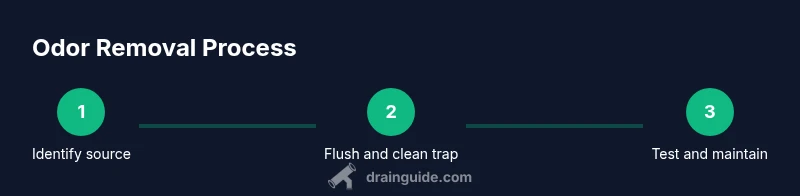
You can remove drain odor at home by locating the odor source, cleaning the trap, and flushing the lines with safe household products. Start with a hot water rinse, followed by baking soda and vinegar, then a thorough P-trap clean. Avoid harsh chemical drain cleaners that can damage seals. This approach is safe for septic systems and prevents corrosive exposure.
What causes drain odor and how it forms
Drain odors come from a mix of organic matter, bacteria, and sewer gas that can sneak past imperfect seals. In kitchens, grease, food particles, and soap scum create fatty residues that serve as food for odor-causing microbes. In bathrooms and showers, hair, soap buildup, and mineral deposits form a damp layer where bacteria thrive. When the water seal in a P-trap dries out or the vent stack is blocked, sewer gases can escape and mingle with everyday scents, amplifying a foul odor. The Drain Guide team emphasizes that most odors originate in the trap or the immediate drain line, not deep inside the sewer. A simple dry trap is often the culprit: as the water evaporates, the barrier between air and sewer gas weakens, allowing smells to drift up. If you encounter a persistent odor even after cleaning, it can indicate a deeper issue such as a cracked waste line, a vent obstruction, or even a clogged disposal connection. Regular inspection and maintenance—especially under sinks and near disposals—reduces odor risk and keeps drains flowing smoothly. According to Drain Guide, routine attention to drains reduces odor risk and keeps plumbing running smoothly.
Quick fixes you can try today
If you’re dealing with a noticeable odor, you can try a few fast, safe fixes before dismantling the plumbing. Start with running hot tap water for several minutes to dissolve grease; this is especially helpful for kitchen drains. Then pour 1/2 cup baking soda into the drain, followed by 1 cup white vinegar; the foaming reaction helps lift gunk from the sides. Let the mixture sit for 15 minutes, then flush with more hot water. If you have a garbage disposal, run it with cold water and drop in a few lemon peels to refresh scent. For every fixture, ensure the trap is holding water by running water into the sink and listening for a steady flow. These quick steps are gentle on pipes and septic systems and often eliminate mild odors without disassembly.
Deep clean your drain and trap
A thorough clean requires accessing the P-trap under the sink. Place a bucket to catch water, then use a wrench to loosen the trap nuts and carefully remove the U-shaped section. Empty the contents into the bucket and inspect for hair, food debris, or mineral buildup. Scrub the interior with a bottle brush and dish soap, paying attention to the bends where gunk hides. Rinse the trap and reinstall with new plumber’s tape on the threaded joints if needed. Reconnect the trap, ensure all fittings are snug but not overtightened, and run water to test for leaks. If you smell odor after this step, you may need to repeat and consider deeper cleaning of the drain line with an enzyme-based cleaner.
Odor prevention and venting considerations
Prevention is better than cure. Keep the trap filled with water to maintain the seal, especially for fixtures that aren’t used often. If you have a vent issue, a clogged vent can cause slow drainage and smell as air is drawn through traps. Clean accessible vents or call a professional to inspect the roof vent and stack. Regularly cleaning the drain with enzyme-based cleaners can help, but avoid mixing chemical cleaners, particularly bleach with ammonia, which creates dangerous fumes. For kitchen drains, run hot water and a small amount of dish soap weekly to prevent grease buildup. Finally, consider a trap primer in areas with infrequent use to maintain water seals.
When to call a professional
If the odor persists after a complete trap cleaning and routine maintenance, a deeper problem is likely present. Odor that returns after cleaning can indicate a cracked or leaking waste line, a sewer gas intrusion, or a blocked or malfunctioning vent stack. A licensed plumber can assess venting, check for sewer gas leaks, and perform a camera inspection of the pipes if needed. In some homes, odor issues may point to septic-tank problems or water table issues that require a professional evaluation.
Safe cleaners and maintenance for ongoing odor control
Choose safer, plumbing-friendly cleaners and avoid high-concentration chemical drain cleaners that can erode seals. Baking soda, white vinegar, and hot water are practical for regular maintenance, while enzyme-based cleaners can help break down organic buildup over time. Never mix cleaners; for example, vinegar and bleach create toxic gases. After any cleaning, rinse thoroughly and dry the area. Create a simple monthly routine: flush with hot water, sprinkle baking soda, and, if you have a disposal, grind lemon peels to refresh the scent. Drain odor can often be managed with consistent, gentle care.
Tools & Materials
- Rubber gloves(Latex-free preferred)
- Bucket(Large enough to catch water)
- Adjustable wrench(For removing trap nuts)
- Screwdrivers (Phillips and flathead)(Use the correct head for nuts/fasteners)
- P-trap brush(Cleaning tool for tight bends)
- Old towels or rags(Wet/dry cleanup)
- Dish soap(For scrubbing gunk)
- Baking soda(Odor neutralizer)
- White vinegar(De-greasing and disinfecting)
- Boiling water(Flush to wash away residue)
- Enzyme-based drain cleaner(Optional deeper-clean option)
- Plumbers tape(Optional sealant for joints)
Steps
Estimated time: 45-60 minutes
- 1
Prepare and safety check
Clear the area under the sink, assemble tools, and skim a quick plan. If you have a disposal, unplug or switch off the circuit to avoid accidental activation. Put on gloves and lay towels to catch any splashes.
Tip: Take a photo of current pipe connections before disassembly to simplify reassembly. - 2
Turn off water and drain
Shut off the cold water supply to the sink if needed and run the tap to empty the line. Place a bucket under the P-trap to catch water when you loosen the nuts. Have a rag handy to wipe the area dry.
Tip: Use the wrench to loosen nuts gradually to avoid stripping threads. - 3
Remove the P-trap
Carefully loosen the trap nuts and disconnect the U-shaped P-trap. Empty its contents into the bucket and inspect for hair, food, or mineral buildup. Clean the inside with a brush and dish soap.
Tip: Inspect washers for wear; replace if cracked to prevent leaks. - 4
Clean and reassemble
Scrub the trap interior, rinse, and reinstall with fresh plumber’s tape on the threads if needed. Tighten nuts snugly but avoid overtightening, which can crack plastic or metal fittings. Reconnect to the drain and check for leaks with a small amount of water.
Tip: Hand-tighten first, then snug with the wrench—no wrenches slipping. - 5
Flush with baking soda and vinegar
Pour about 1/2 cup baking soda into the drain, followed by 1 cup white vinegar. Let it fizz for 10–15 minutes, then flush with hot water to scour residues. This step helps lift remaining grease and organic matter from the sides.
Tip: Do not mix with bleach; wait until the fizzing stops before adding hot water. - 6
Test and adjust
Run hot water for several minutes to ensure smooth flow and no leaks. Check for odor—if it remains, repeat the baking soda/vinegar flush or proceed to deeper cleaning with enzyme cleaners.
Tip: Leave the area well-ventilated during testing. - 7
Prevent future odors
Establish a monthly routine: hot water flush, baking soda, and a minor enzyme treatment if needed. Keep traps primed by running water in rarely-used fixtures and consider trap primers in areas with minimal use.
Tip: Avoid chemical drain cleaners; they can erode seals and damage pipes.
Got Questions?
Why does my drain odor appear even after washing?
Odors often come from the trap seal or a hidden buildup deeper in the drain line. A dry or cracked trap, a blocked vent, or a buildup of organic matter can cause recurring smells. Thorough cleaning of the trap and periodic maintenance usually resolves this.
Odors usually come from the trap or deeper buildup. A dry trap or blocked vent can keep returning smells even after washing.
Can I use bleach to remove odor?
Bleach can neutralize some odors temporarily but can corrode seals and release harmful fumes if misused. Safer options are baking soda, vinegar, and enzyme cleaners. If you choose bleach, never mix with ammonia and use it sparingly.
Bleach isn't ideal for odor control; it's risky for seals and can create fumes if used with other cleaners.
How often should I clean drains to prevent odors?
A proactive approach works best: flush with hot water weekly for heavily used sinks and monthly for infrequently used fixtures. Add an enzyme-based cleaner every few months to help break down buildup.
Clean maintenance is best: regular hot water flushes and periodic enzyme cleaners prevent odors.
Will a dry trap cause sewer gas smells?
Yes. A dry trap loses its water seal and can allow sewer gases to escape into the home. Keep traps primed by running water in fixtures that aren’t used regularly.
A dry trap can let sewer gas in; keep it primed by running water from unused fixtures.
What if the odor persists after cleaning?
If odors persist, there may be venting issues, a cracked waste line, or sewer gas intrusion. A licensed plumber should inspect the vent stack and pipes, especially if you detect gas or frequent backups.
If it keeps smelling after cleaning, call a plumber to check vents and pipes.
Does using a garbage disposal contribute to odors?
Disposals can harbor odor-causing residue. Run with cold water and grind lemon peels or orange rinds to freshen. Regular cleaning of the disposal area helps prevent smells.
Garbage disposals can smell; clean regularly and use cold water with lemon rinds to freshen.
Watch Video
The Essentials
- identify odor sources and target the trap
- use safe, non-corrosive cleaners
- keep traps primed with water to prevent gas
- avoid mixing cleaners to prevent fumes
- schedule regular maintenance to prevent recurrence