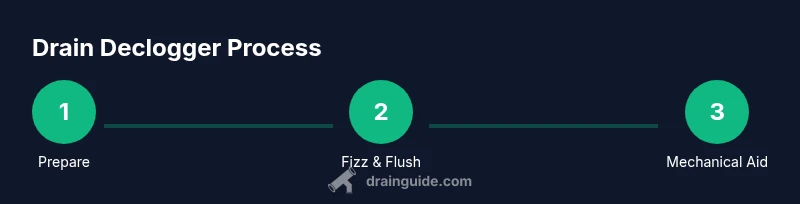
Homemade Drain Cleaner Declogger: Step-by-Step Guide
Learn a safe, practical homemade drain cleaner declogger using baking soda, vinegar, and hot water. This educational guide covers ingredients, step-by-step methods, safety tips, troubleshooting, and when to seek professional help.


You can tackle many light to moderate clogs with a homemade drain cleaner declogger using common kitchen ingredients. Start with baking soda, then add vinegar, and finish with near-boiling water. This eco-friendly approach minimizes harsh chemicals, but avoid using it on old pipes or severe blockages and know when to call a professional.
What is a homemade drain cleaner declogger?
According to Drain Guide, a homemade drain cleaner declogger is a practical, kitchen-based method to loosen and flush away minor clogs without resorting to strong chemical cleaners. The core idea relies on a safe combination of baking soda, vinegar, and hot water to create fizz and thermal action that can loosen debris like soap scum, grease, and hair tangles. This approach emphasizes safety, environmental considerations, and routine maintenance over aggressive solvents. It’s best suited for clear, slow-draining sinks or tubs where the clog is recent and not deeply seated. Always assess the pipe material and local plumbing guidelines before starting.
How baking soda and vinegar work to declog
Baking soda (sodium bicarbonate) and vinegar (acetic acid) react to produce carbon dioxide gas. When poured into a drain, this fizz helps lift and move small particles away from the pipe walls. The heat from the accompanying hot water accelerates the process and helps flush loosened material toward the trap and out of sight. While this method is gentle, it won’t dissolve truly dense clogs or solidified grease that has hardened into a plug. For those cases, a mechanical approach (plunger or drain snake) or a professional service may be needed. Safety steps include wearing gloves and goggles to protect skin and eyes from splashes.
When to use this method vs mechanical approaches
This approach shines for light blockages caused by soap scum, hair, and minor grease buildup in household drains. If you notice a complete stop in flow, a gurgling sound, or a chemical odor, pause and switch to mechanical methods or seek professional help. Do not mix this method with commercial chemical drain cleaners, as combining agents can create dangerous reactions. For septic systems, stick to natural methods sparingly and monitor for any signs of system distress.
Safe ingredient options and formulations
The classic mix uses ½ cup baking soda followed by 1 cup white vinegar, then hot or near-boiling water. Some variations include flushing with another 4–6 cups of hot water after fizzing, which helps push loosened material through the pipe. If you have PVC plumbing or older piping, introduce boiling water gradually to avoid thermal shock. Always measure ingredients, and never add corrosive or chlorine-based cleaners into the same drain.
Safety and limitations
Safety first: wear rubber gloves and eye protection, and ventilate the area to avoid inhaling any fizz or steam. Never mix with bleach or other commercial cleaners; that can release hazardous gases. While effective for minor clogs, this method does not work for grease-heavy, mineral, or hair clogs deeply lodged in traps or main lines. Avoid repeated aggressive use in short succession, as repeated chemical-like fizzing can stress pipes and trap seals.
Troubleshooting and common results
If you don’t see immediate improvement, pause and re-evaluate the clog. Repeating the baking soda and vinegar cycle once or twice can help, but if drainage remains slow after repeated attempts, use a plunger or drain snake to physically loosen the blockage. In some cases, multiple attempts over a few days, paired with routine maintenance (hot water flushes after meals, for example), yield better results. If the water backs up into more than one fixture, a professional assessment is advised.
Preventive care to avoid future clogs
Regularly flush drains with hot water after cooking and cleaning to reduce grease buildup. Consider a monthly baking soda and hot water flush as a preventive measure. Use sink strainers to catch hair and debris. Avoid pouring fats, oils, or grease down the drain and maintain venting where possible. For households with septic systems, balance microbial activity with approved septic-safe practices and avoid harsh chemical cleaners that can disrupt the system.
Disposal, environment, and when to seek help
Dispose of used mixtures by pouring them down the drain and running plenty of water. Do not pour leftover solutions into septic tanks unless you’re sure they are safe for your system. If you encounter persistent blockages, significant gurgling, or backup into other fixtures, contact a licensed plumber. Consider local guidelines on chemical disposal and be mindful of water quality in your area.
Authority sources
- U.S. Environmental Protection Agency (EPA): https://www.epa.gov
- University Extension services (examples): https://extension.illinois.edu, https://extension.umn.edu
- Plumbing safety resources: consult your local extension or municipal guidelines for best practices on household drain care.
Tools & Materials
- Baking soda(Fresh, unscented, ½ cup)
- White vinegar(1 cup, standard household grade)
- Boiling water(4–6 cups; use a kettle or pot)
- Rubber gloves(Protect hands from splashes)
- Safety goggles(Eye protection)
- Bucket or basin(Catch splashes and carry water)
- Plunger (cup or flange)(Helpful for stubborn clogs)
- Drain snake / auger (optional)(For persistent blockages)
Steps
Estimated time: 30-45 minutes
- 1
Put on safety gear and clear the area
Slip on rubber gloves and safety goggles. Remove items around the sink to avoid splashes or spills and ensure a clear path to a drain. This minimizes accidents and keeps the workspace tidy while you work.
Tip: Safety first: if you wear contact lenses, consider removing them to avoid irritation from any splashes. - 2
Bail out standing water
Use a cup or small container to remove excess water from the basin. Clearing excess water improves contact with the cleaner and reduces overflow during fizzing.
Tip: Leave just enough water to submerge the drain cover if needed; too little water may limit immersion of debris. - 3
Pour baking soda into the drain
Carefully pour ½ cup baking soda directly into the drain opening. Aim to distribute it evenly so it fills the trap and the immediate pipe entry.
Tip: If you have multiple openings (double sink), perform the step for both sides to maximize effect. - 4
Add vinegar and let fizz
Slowly pour 1 cup white vinegar into the drain and allow the fizz to work for several minutes. The reaction helps loosen certain types of buildup.
Tip: Avoid covering the drain with a stopper; fizz needs space to expand and travel through the pipe. - 5
Flush with near-boiling water
Carefully pour 4–6 cups of near-boiling water down the drain to push loosened debris through the pipe toward the trap.
Tip: Pour slowly to prevent splashes; hot water may be dangerous near metal or older PVC joints. - 6
Wait and re-check
Allow the solution to sit for 15–30 minutes, giving time for the fizz to act and debris to loosen. Then run water to test flow.
Tip: If the drain remains slow, repeat Steps 3–6 once, or move to mechanical methods. - 7
Optional mechanical aid if needed
If flow is still poor, use a plunger (not a chemical cleaner) or a drain snake to physically break up the clog and pull debris out.
Tip: Keep the plunger clean and maintain a steady seal for best results. - 8
Final flush and cleanup
Run hot water for 1–2 minutes to clear residual debris. Wipe down surfaces and store tools properly for next use.
Tip: Run the disposal or wash basin area after to avoid residue buildup.
Got Questions?
Is baking soda and vinegar safe for all pipes?
For most residential pipes, the baking soda and vinegar method is gentler than chemical cleaners. Avoid it on severely damaged pipes and when a chemical cleaner has previously been used. It’s not a cure-all for major clogs.
For most homes, baking soda and vinegar is a gentle option, but don’t overdo it on weak pipes or after heavy chemical use.
Can I use this method in septic systems?
Natural, non-chemical methods are generally preferable for septic systems. Use sparingly and avoid continuous use of large quantities of cleaners; flushing with hot water as part of maintenance can aid the system but consult local guidelines.
This method is generally safer for septic systems than harsh chemical cleaners, but use in moderation and check local guidelines.
How long should I wait to see results?
Results vary with clog type. Light blockages may clear after a single cycle; more stubborn clogs may require a second cycle or supplemental mechanical methods.
Some clogs clear quickly, others may need more time or a mechanical aid.
When should I call a plumber?
If you experience recurring clogs, backups in multiple fixtures, or slow drainage despite repeated attempts, professional help is advised.
If clogs keep coming back or affect several fixtures, contact a plumber.
Can I use this method for kitchen grease clogs?
Baking soda and vinegar can help with some grease buildup, but dense grease clogs may require mechanical removal or specialized cleaners. Avoid repeated use in quick succession.
It might help with some grease buildup, but heavy grease usually needs mechanical help.
Are there any safety hazards I should know?
Fizzing liquids can splash; wear goggles and gloves, and work in a ventilated area. Do not mix with bleach or acid cleaners.
Take basic safety measures and avoid mixing cleaners to prevent dangerous fumes.
Watch Video
The Essentials
- Use baking soda and vinegar as a safe first option.
- Boiling water helps flush loosened debris after fizzing.
- Do not use this method with chemical cleaners.
- Plungers or drain snakes are effective for stubborn clogs.
- Regular maintenance prevents future blockages.