How to Drain a Sprinkler System: Step-by-Step Guide
Learn how to drain a sprinkler system safely to prevent winter damage. This guide covers when to drain, essential tools, a clear step-by-step process, and tips for a smooth spring restart.


In this guide, you'll learn how to drain a sprinkler system safely to prevent winter damage and reduce pressure. You'll identify when to drain, the essential tools, and a step-by-step process that covers bleed, depressurize, and test. Follow these steps to protect irrigation components and ensure reliable spring start-up. This quick answer sets the path for a thorough, DIY-friendly procedure.
Why draining a sprinkler system matters
According to Drain Guide, proper winterization by draining a sprinkler system is a smart, proactive step homeowners take to protect irrigation components from freeze damage. Water left in pipes, valves, and the backflow preventer can expand when temperatures drop, causing cracks or broken fittings. Draining reduces residual pressure, minimizes standing water, and lowers the risk of leaks when the system restarts in spring. A well-dried system also makes first-start testing simpler and lowers repair costs later. By understanding how drain sprinkler system steps work, you gain confidence to protect your landscape and save money over the long term.
Key concepts and planning before you drain
Before you touch any valve, map out your system and locate the main shutoff, backflow preventer, zone valves, and any drain ports. Review manufacturer guidance for your controller and irrigation components. Decide whether you will perform a simple gravity drain or a more thorough air-assisted blow-out, which requires special equipment and precautions. Having a plan reduces the chance of missed drains or forgotten valves, ensuring a complete and safe process.
Tools, materials, and safety first
Having the right tools on hand makes a big difference when you drain sprinkler system. Gather items like a bucket, garden hose, adjustable wrench, gloves, and eye protection. If your system has a backflow preventer, you may need a key or wrench to access drain ports. Work in daylight, wear safety gear, and keep pets and kids away from the work area. Drain sprinkler system steps are straightforward, but following safety rules minimizes the risk of injury or accidental water exposure.
Methods for draining: gravity vs. air-assisted blow-out
There are two common approaches to drain sprinkler system: gravity drainage, which relies on opening drain valves and letting water run out, and air-assisted blow-out, which uses an air compressor to push water out of lines. Gravity draining is simplest and safer for most homes; it’s suitable when temperatures won’t spike again or when lines are short. Air-assisted blow-out can clear longer runs more quickly but carries higher risk of pipe damage if misused. Always follow manufacturer recommendations and consider hiring a pro for blow-out if you’re unsure.
Step-by-step rationale: what to expect during the process
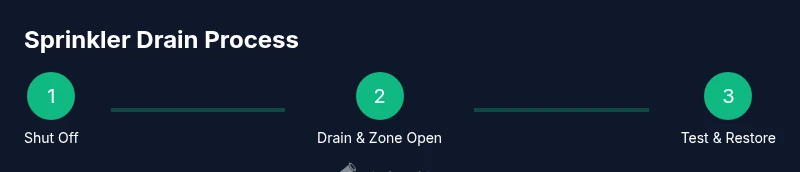
Drain sprinkler system involves several discrete actions that collectively empty the lines. Expect to close the system valve, relieve pressure, drain water through zone valves, and confirm that every line is free of standing water. The goal is to leave pipes nearly dry while ensuring backflow prevention devices are in a safe state. After draining, you’ll gradually restore water and perform a light test to verify that zones operate without leaks.
Common mistakes to avoid during drainage
Avoid leaving drain valves closed or forgetting to drain the backflow preventer. Skipping zones or not opening bleed screws can leave pockets of water that freeze and crack lines. Do not use high-pressure air without proper equipment or training, as this can damage fittings or push water into backflow connections. Finally, never work on a live system; ensure the main shutoff is fully closed before you begin.
Post-drainage testing and spring restart checklist
Once drainage is complete, reopen valves slowly and gradually re-pressurize the system. Run each zone for a short cycle and listen for leaks or gurgling sounds. Check for damp spots or pooling around valves, backflow preventers, and sprinkler heads. Document any issues and address them before the growing season begins. A careful restart reduces downtime and helps your landscaping recover quickly.
Tools & Materials
- Main irrigation shutoff valve(Locate and close the main valve feeding the sprinkler system to stop water flow.)
- Drain valves or test cocks(Used to release water from the mainline and zones.)
- Adjustable wrench or pipe wrench(For loosening drain fittings and valves.)
- Garden hose(Direct water away from foundations and walkways.)
- Bucket or containment tray(Catch water as it drains to avoid a mess.)
- Gloves and eye protection(Protect hands and eyes from sharp edges and pressurized water.)
- Pliers or needle-nose pliers(Useful for grabbing small parts or hoses.)
- Backflow preventer key or tool (if applicable)(Access drain ports on some systems.)
- Optional: air compressor (for blow-out, only if trained)(Requires proper adapters and safety precautions.)
Steps
Estimated time: 45-60 minutes
- 1
Shut off the irrigation water
Locate the main water shutoff for the sprinkler system and fully close it. This stops incoming water and protects you from unexpected pressure while draining. If you have a separate house valve, shut that off first, then the irrigation valve. Take a moment to note the time and temperature in case you need to postpone if conditions are unsafe.
Tip: Make sure the zone controller is in the OFF position to prevent accidental activation. - 2
Relieve pressure and drain the main line
Open the drain valves or test cocks on the mainline to relieve pressure and start the drainage. Do not force valves; use the appropriate tool. Allow several minutes for the line to drop to a low pressure state before proceeding to zone-specific drains.
Tip: If there is standing water in the mainline after a few minutes, recheck the shutoff and try again. - 3
Open zone drain valves and backflow ports
Open each zone drain valve or the backflow preventer drain ports to let residual water exit. Work from the farthest zone toward the mains to prevent trapping water in sections of pipe. If a valve is stubborn, apply gentle leverage with a wrench and ensure the valve is fully open.
Tip: Don’t force valves open; overtightening can damage seals and cause leaks. - 4
Drain each zone and collect water
Actively drain each zone by opening bleed screws or manual drain valves. Direct the water into a bucket or away from structures. Check for any gurgling sounds or slow draining that may indicate hidden pockets in the lines.
Tip: If you have a long line run, pause after a few minutes to ensure complete drainage before moving to the next zone. - 5
Optional blow-out with air (if trained)
If you choose to blow out lines, connect a suitable compressor and follow the manufacturer’s safety instructions. Use a gradual, controlled flow to avoid damaging fittings or forcing water into unintended areas. Only perform this step if you have the proper equipment and training.
Tip: Never exceed the recommended air pressure for irrigation lines. - 6
Inspect backflow preventer and drain ports
Carefully inspect the backflow preventer and its drain ports for any remaining water, cracks, or signs of wear. Tighten fittings gently and ensure all ports are closed when you’re ready to re-pressurize. This step helps prevent leaks after startup.
Tip: Keep a lookout for corrosion or mineral buildup that could affect future drainage. - 7
Restore water supply gradually and test zones
Slowly reopen the main valve to re-pressurize the system. Run each Zone for a short cycle to verify operation and check for leaks. Listen for abnormal sounds and watch for pooling water around sprinkler heads.
Tip: If leaks appear, shut off the system again and recheck fittings and seals. - 8
Document and label for next season
Record what you did, where drains are located, and any issues encountered. Label valves for quicker access next season. A simple maintenance log saves time and helps prevent missed drains in the future.
Tip: Keep a digital note or photo log for easy reference next winter.
Got Questions?
Do I need to drain my sprinkler system every winter?
If you live in freezing climates, draining is highly recommended to prevent pipe and valve damage. Always follow local weather patterns and manufacturer guidance for your system.
Yes. In colder regions, draining helps prevent freezes and costly repairs.
Can I use compressed air to blow out the lines?
Blowing out lines with air can be effective but risky. It should only be done with proper equipment, a skilled operator, and adherence to manufacturer guidelines.
Only if you have the right equipment and training.
What’s the difference between draining and a full blow-out?
Drainage removes water passively, while a blow-out forces water out with compressed air. Blowing out is faster but has higher risk and is not necessary for all systems.
Drain is safer; blowing out requires extra care.
Should I drain the backflow preventer separately?
Yes. Drain ports on the backflow preventer should be opened to release trapped water and prevent freezing.
Yes, drain the backflow preventer to avoid cracks.
How soon can I test the system after draining?
Start with a slow re-pressurization and test zones one by one. Look for leaks and ensure heads and valves function properly before normal use.
Test gradually after draining to catch leaks early.
Watch Video
The Essentials
- Drain before winter to prevent freeze damage
- Use the right tools and drain ports for complete emptying
- Shut off water, depressurize, drain zones, and test before spring startup
- Avoid forced valve operation to prevent damage
- Document your drainage steps for next season