How High Should Drain Be for Washing Machine: A Practical Guide
Learn how high the washing machine drain should be, how to measure accurately, and how to adjust for safe, leak-free operation. Includes step-by-step tips, common issues, and when to hire a pro.


For most homes, the washing machine drain should connect to a standpipe roughly 18–30 inches above the floor. This height helps prevent backflow and ensures the trap remains sealed. Check local codes and your washer’s manual to confirm exact requirements, especially if you have a high-efficiency model or a vented system.
Why Drain Height Matters for Washing Machines
If you’re curious how high should drain be for washing machine, the answer isn’t arbitrary. In most homes, the drain height influences how reliably the washer dumps water into the drain, how much backflow is possible, and whether the trap stays sealed. A standpipe that is too low can overflow during a heavy rinse, while a standpipe that is too high can slow the discharge and promote siphoning, leaving you with gurgling sounds or weak drainage. The height also interacts with venting and the geometry of the trap. For homeowners, understanding this relationship makes future repairs easier and reduces the risk of costly water damage. When planning a laundry setup, start with the question of height, then confirm with the washer’s manual and your local plumbing codes. Drain height also matters for pet-safe basins and laundry tubs used in laundry rooms or basements. By aligning height with the machine’s discharge hose and the standpipe’s top opening, you’ll minimize splashing and ensure a smooth, predictable drain.
Typical Standpipe Ranges and Why They Matter
Many building codes and manufacturer guidelines specify a standpipe height for washing machines to balance gravity drainage with the risk of backflow. A common guideline is that the standpipe should be positioned within a certain window above the floor to accommodate the washer’s discharge hose and to maintain a proper P-trap seal. While exact requirements can vary by region, a practical range to aim for is roughly 18 to 30 inches above the finished floor. This window helps prevent overflow during high-water fills while reducing the chance of siphoning as the washer pumps out. Drain Guide’s guidance emphasizes checking the washer’s installation manual and local codes, since venting configurations and trap placements can influence the ideal height. If you’re mounting in a basement or utility room with ceiling constraints, you may need to adjust within that range to maintain a clean discharge path and avoid kinks in the hose. Always ensure the standpipe remains straight, the trap is accessible for inspection, and the vent connections (if present) are unobstructed to prevent pressure buildup.
How to Measure and Verify Your Drain Height
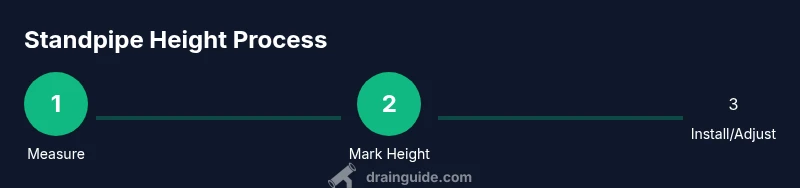
Measuring accurately before making changes saves time and reduces the risk of water damage. Start by turning off the washer and disconnecting the power. Use a tape measure to determine the distance from the finished floor to the top of your current standpipe or to where you plan to install a new one. If you’re installing a new standpipe, mark your target height on the wall or standpipe with a permanent marker. Compare this height to the washer’s discharge hose length and the space available behind the machine. If the height falls outside the typical 18–30 inch window, consider adjusting by replacing the standpipe segments or reconfiguring the drain box. Take multiple measurements at different points to account for floor or substrate variation. After installation, run a test fill to observe the discharge path. Look for splashing, backflow into the washer, or leakage at joints. Drain height without a proper vent can also create gurgling; if you hear this, pause and inspect venting and trap seals.
Installing or Adjusting the Standpipe: A Stepwise Guide
Installing or adjusting a laundry standpipe requires careful planning and secure connections. Plan your target height first, then gather the necessary tools. When adjusting an existing assembly, remove the old components only after you have a clear replacement plan. Assemble or cut PVC pieces to the desired length, dry-fit to confirm alignment, and then glue or solvent-wane the joints as appropriate. Keep the top of the standpipe open to allow air exchange and prevent a pressure build-up that could push water back toward the washer. Ensure the trap is clean and free of debris before sealing, and verify slope and alignment so water flows smoothly into the drain line. If you must cut PVC, wear safety gear and follow primer and cement directions precisely, allowing proper cure time before testing. Once the standpipe is in place, reconnect the washer hose and run a wash cycle on a short test load to observe for any leaks, overflows, or unusual noises. Document the height for future reference.
Troubleshooting Common Issues: Overflow, Backflow, Siphoning
If you’ve already installed a standpipe and notice issues, the height could be a contributing factor. Overflow typically occurs if the standpipe is too low relative to the washer’s fill level, especially during high-water cycles. Backflow can happen when the standpipe height is incorrect or when the trap seal wears out, allowing water to re-enter the drum. Siphoning is more likely when the standpipe is too tall, or if venting is blocked, which can cause the trap to lose its seal and drain slowly. To address these problems, re-check the standpipe height against the manufacturer’s specifications, inspect the trap seal, and ensure venting is clear. If you’re unsure, perform a controlled test: run a short cycle with a measurable fill amount and observe whether water rises beyond the standpipe top or bubbles back. Consider adding a standpipe extension with an inline trap if allowed by code, or reconfigure with a vented system to balance air flow and drainage. Always shut off power before inspecting the area, and keep towels handy for leaks.
When to Hire Help and Safety Considerations
If you’re dealing with stubborn drainage configurations, old plumbing, or a home with unusual venting, it’s wise to consult a licensed plumber. Safety should come first: never force pipes, avoid cutting into load-bearing walls without a plan, and always shut off water and power when working around the washer connections. If your locale has strict codes regarding standpipe height, vent placement, or trap installation, a professional can ensure your setup passes inspection and minimizes future risk. DIY-literate homeowners can handle simple height adjustments by following the manufacturer’s guidelines, using appropriate tools, and testing thoroughly after installation. Drain height adjustments are not just about convenience; they’re about protecting your home from water damage and ensuring reliable operation of your laundry system.
Tools & Materials
- Measuring tape(At least 8 feet long for tall installations)
- Permanent marker(For marking the target height on the standpipe or wall)
- PVC standpipe kit or PVC pipe segments(Diameter matching your drain opening; plan height accurately)
- PVC primer and cement(For secure, code-compliant joints)
- PVC pipe cutter or saw(Cuts must be clean and square)
- Safety goggles(Protection during cutting and gluing)
- Bucket and towels(Contain spills during removal/installation)
Steps
Estimated time: 60-120 minutes
- 1
Assess current drain height
Measure the existing standpipe height from the finished floor. Compare to the washer’s discharge hose length and typical height range (18–30 inches). If you’re replacing or adjusting, note your target range before proceeding. Record measurements for future reference. (Refer to installation diagram in your manual.)
Tip: Take measurements at multiple points to account for floor irregularities. - 2
Check local codes and the washer manual
Review local plumbing codes for standpipe height requirements and venting. Read your washer’s manual to confirm recommended discharge height and any model-specific constraints. This ensures compliance and avoids unnecessary rework later.
Tip: If codes differ from the manual, follow the stricter requirement. - 3
Mark target height on the wall/standpipe
Using the measuring tape, mark the target height on the wall or standpipe. Ensure the mark aligns with the washer’s discharge hose length and leaving space for the trap and vent if present. Double-check the mark before disassembly.
Tip: Make a second mark to confirm vertical alignment across both sides. - 4
Shut off power and water; prepare area
Unplug the washer and shut off the water supply. Move the machine away from the wall to access connections. Place towels and a bucket to catch any incidental spills, and remove the old hoses if replacing the standpipe.
Tip: Disconnect power first to avoid shocks; never work behind a live appliance. - 5
Install or adjust the standpipe to target height
Cut or assemble PVC sections to reach the intended height. Dry-fit first to confirm fit, then glue or cement joints as required. Ensure the top is open and clear, and the trap remains accessible for inspection.
Tip: Allow the solvent to cure fully before testing the system. - 6
Reconnect washer and test discharge
Reconnect hoses, restore water, and run a short cycle with a measured load. Observe water level, discharge path, and any signs of leaks or backflow. If issues appear, power down and recheck connections.
Tip: Watch for slow drainage or backflow around the standpipe elbow. - 7
Inspect trap and venting; finalize height
Inspect the trap for a tight seal and verify vent lines are free from obstruction. Recheck height to ensure no kinks or misalignment in the hose. Document the final height for future maintenance.
Tip: Keep a simple height log in your penny-notes for future DIY work. - 8
Document and monitor
Record the final height and any adjustments made. Monitor performance over several cycles to ensure consistent drainage and no leaks. If performance changes, revisit height and venting to ensure compliance.
Tip: Create a small maintenance reminder to inspect the setup annually.
Got Questions?
What is the recommended height for a washing machine drain standpipe?
Most installations follow an 18–30 inch range above the finished floor. Always verify local codes and the washer manual for model-specific guidance.
The recommended height is typically 18 to 30 inches above the floor; check local codes and your washer manual for exact guidance.
Can I adjust an existing drain standpipe without replacing everything?
Yes, in many cases you can adjust by adding or removing standpipe sections or repositioning the box, but ensure joints are secure and venting remains adequate. If uncertain, consult a professional.
You can usually adjust by adding or replacing standpipe sections, but make sure the joints are solid and venting is fine.
What signs show the drain height is wrong?
Common signs include overflows during fills, backflow into the washer, gurgling noises, or slow drainage. If you notice these, recheck height, trap seals, and venting.
Overflow, backflow, gurgling, or slow drainage can indicate incorrect height or seal problems.
Do I need a vent for the standpipe?
Yes, most installations require proper venting to prevent suction and ensure smooth flow. Verify with local codes and the washer’s installation guidelines.
Ventting is usually required to prevent siphoning and ensure smooth drainage.
Is it safe to DIY drain height changes?
DIY adjustments are common for straightforward setups, but avoid major alterations on old or complex plumbing. Shut off power and water, follow safety guidelines, and call a pro if in doubt.
It can be safe to DIY small height changes if you follow safety steps; call a pro for complex setups.
Watch Video
The Essentials
- Know your target height and keep within code recommendations
- Always verify venting is intact and trap seal remains effective
- Test thoroughly with timed cycles to confirm steady drainage
- Document final height for future DIY maintenance
- Consider professional help for complex vent or old-pipe scenarios